Author name: Honey Joyce Daz

Honey Joyce Daz is a health physicist and a committed community volunteer that is passionate about agriculture. She provides valuable knowledge and raise awareness on sustainable farming practices who helps to cultivate a more informed and resilient community. Through her efforts, we aim to empower local farmers and gardeners to foster a deeper connection to the environment and promoting food security for all.

Honey Joyce Daz

Indoor Pollination with Grow Lights
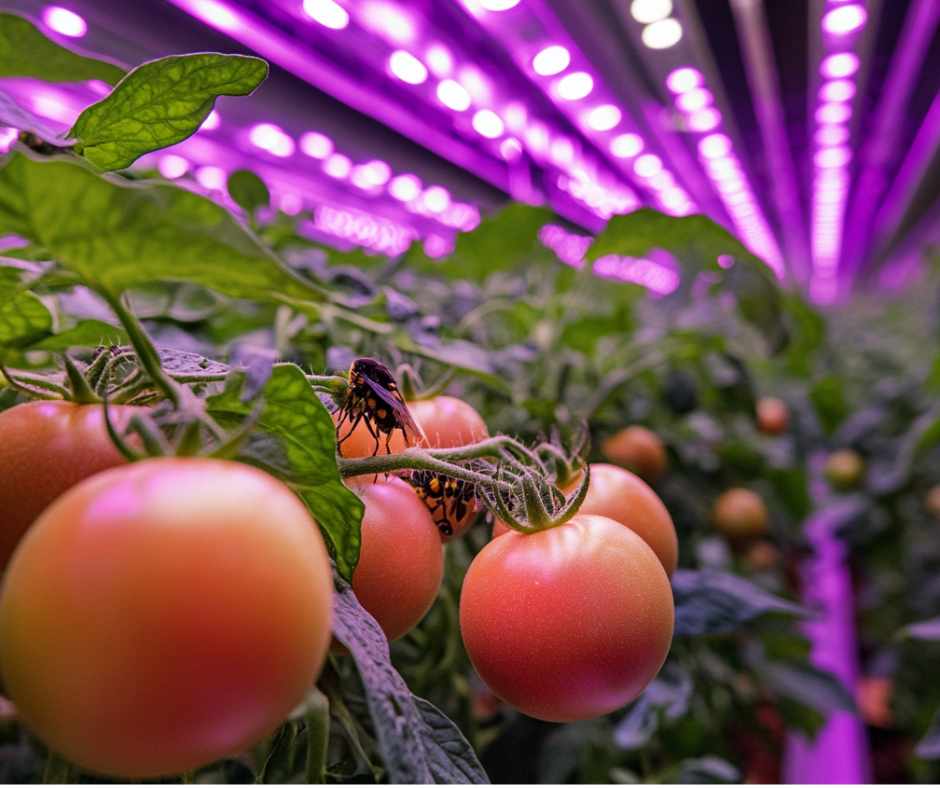
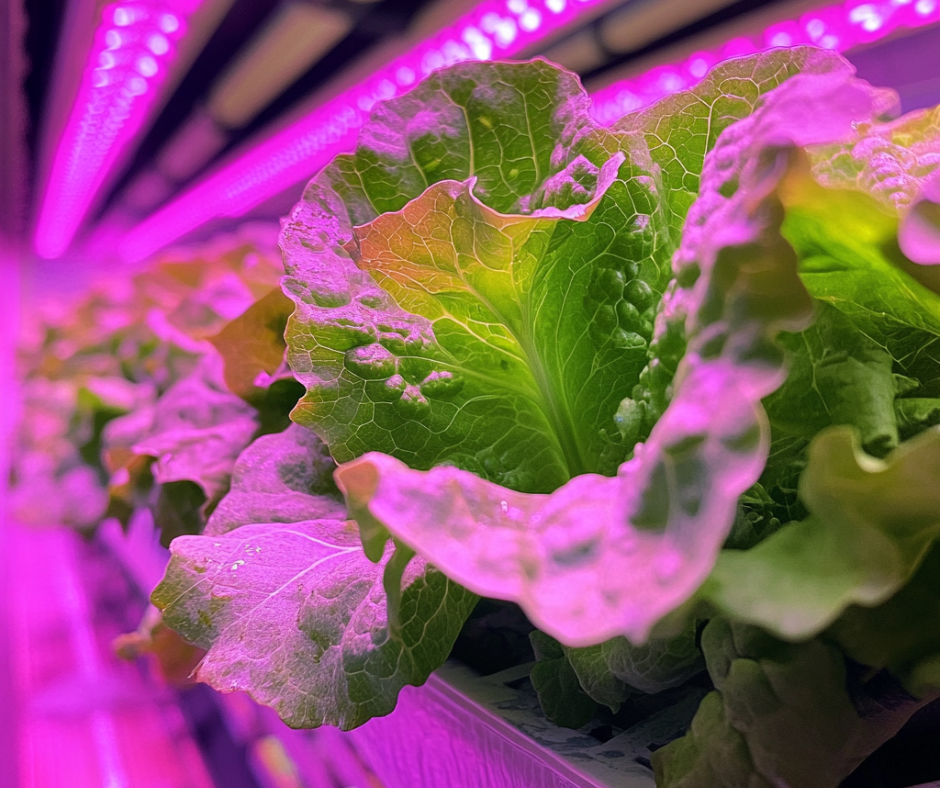
Indoor farming and greenhouses lack natural sunlight and pollinators, but grow lights provide an effective solution. By emitting UV and blue wavelengths, grow lights attract pollinators like bees, enhance foraging activity, and mimic outdoor conditions. They also regulate light cycles and emit infrared to support nocturnal pollination, ensuring efficient pollination for diverse crops.
Indoor Pollination with Grow Lights Read More »

Overcoming Challenges in Irrigation Scaling

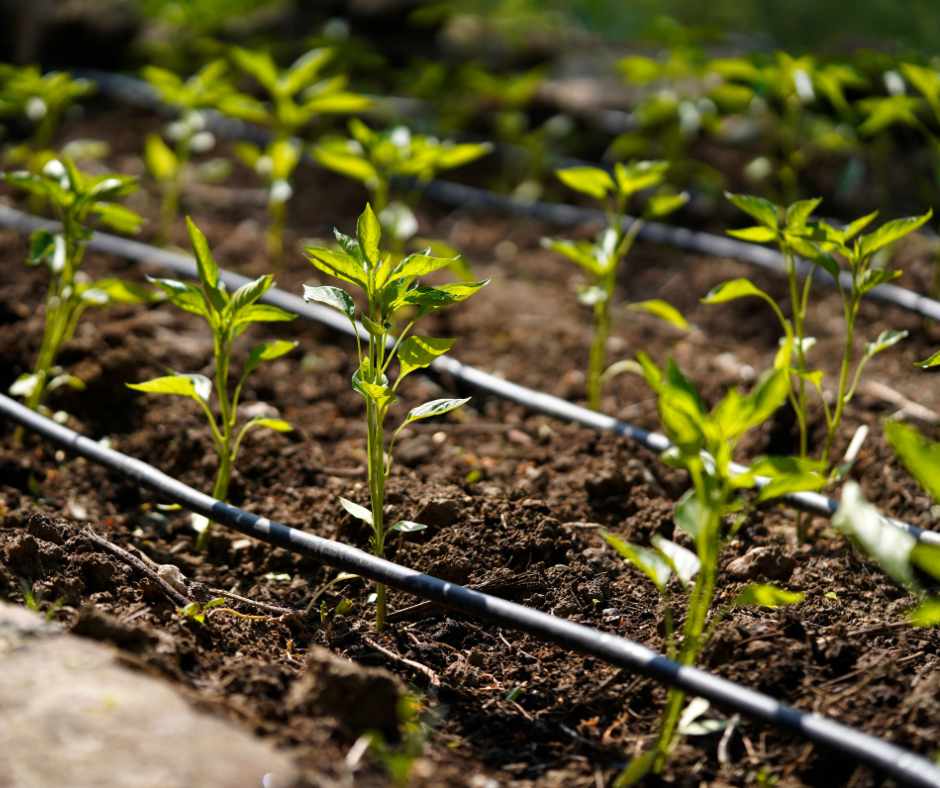
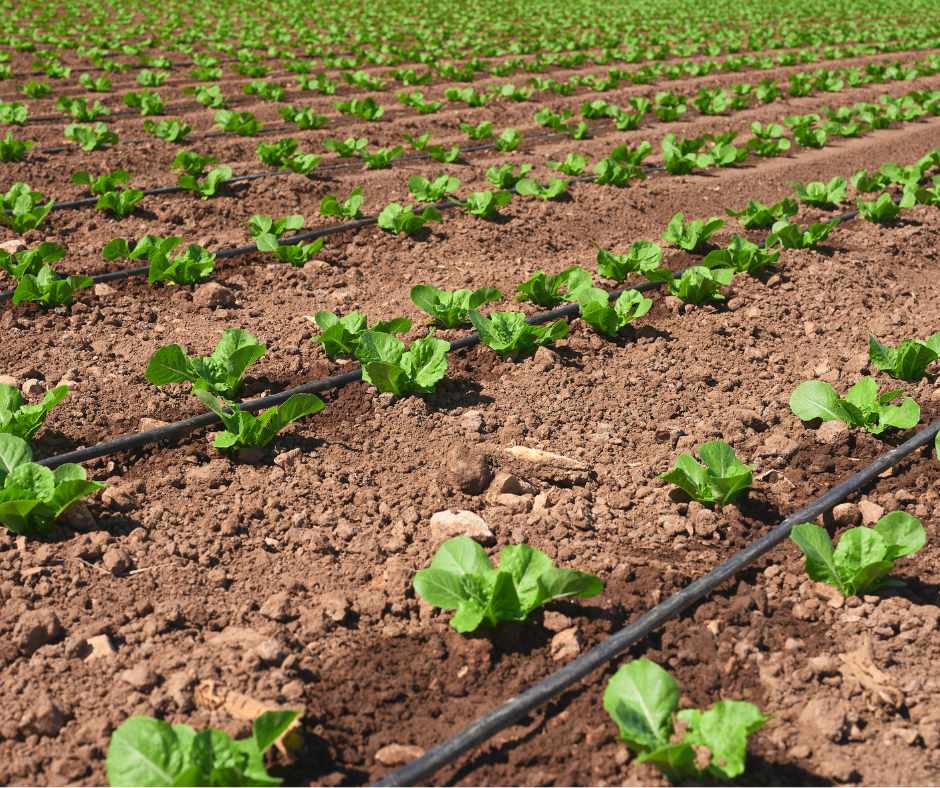
Drip irrigation can revolutionize agriculture in the Philippines by improving water efficiency and crop yields, but smallholder farmers face financial, technical, and water access challenges. Solutions such as microfinance, training programs, and rainwater harvesting, supported by collaborative efforts, can make this technology accessible, promoting sustainable and resilient farming.

Overcoming Challenges in Irrigation Scaling Read More »

Scaling Drip Irrigation in the Philippines

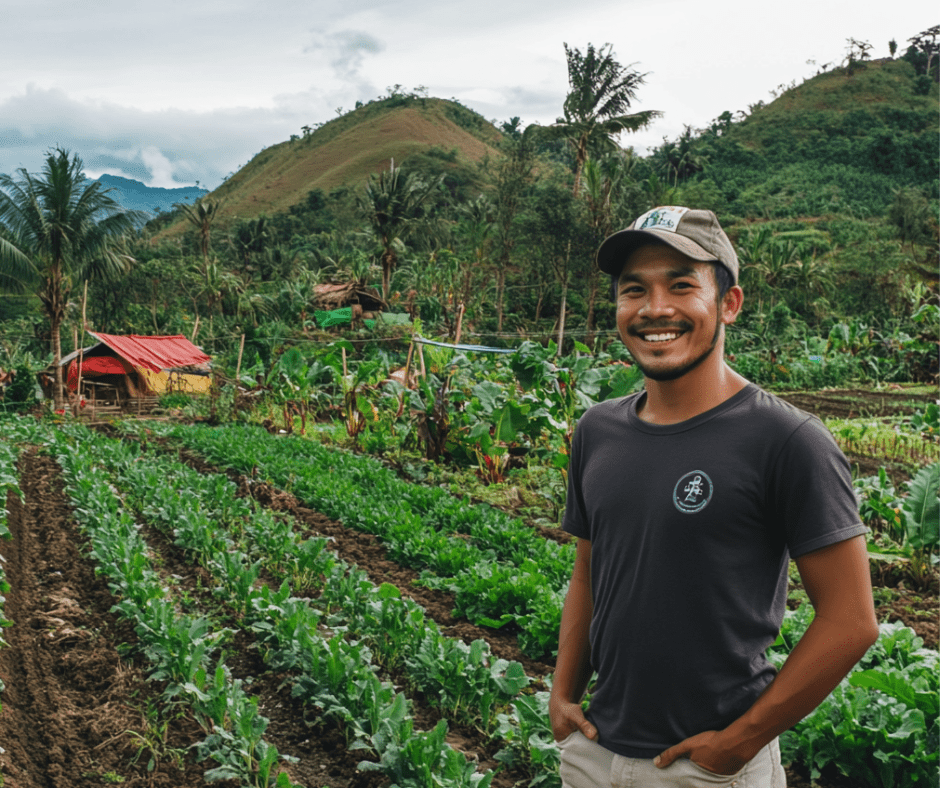
Drip irrigation is revolutionizing agriculture in the Philippines, offering sustainable solutions for water conservation and increased productivity. Smallholder farmers benefit from controlled water delivery to improve yields despite challenges like high installation costs, with support from subsidies and training programs. For larger enterprises, advanced systems with real-time soil monitoring optimize efficiency. Nutrihydro supports these efforts by providing affordable, nutrient-compatible drip systems that maximize both water and nutrient use, ensuring sustainable growth for farmers of all scales.

Scaling Drip Irrigation in the Philippines Read More »

Environmental Factors Influencing Stomatal Behavior

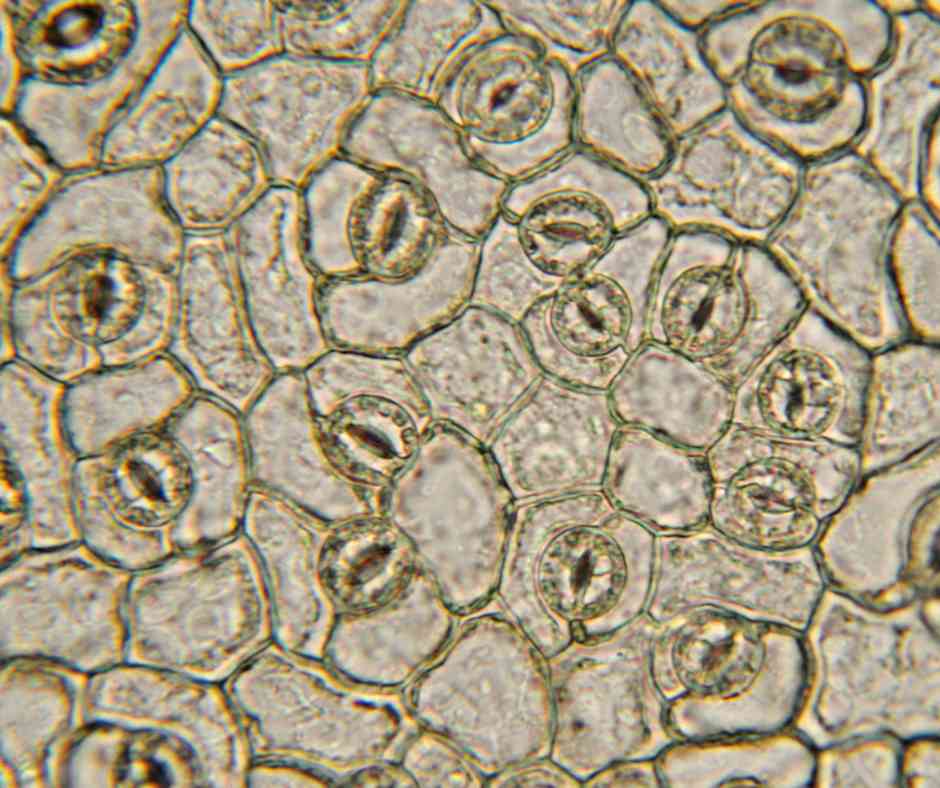
Stomata, tiny pores on plant leaves, control gas exchange and water loss, crucially influencing nutrient uptake during foliar feeding. Their responsiveness to light, humidity, COâ‚‚ levels, and water availability helps optimize nutrient absorption. Understanding these factors allows growers to create conditions that enhance plant health and boost productivity.

Environmental Factors Influencing Stomatal Behavior Read More »

Calcium and Transpiration in Plants

Calcium is essential for plant structure and stress response, but unlike other nutrients, it depends on transpiration to move within the plant. In hydroponic systems, maintaining proper airflow, humidity, and light is critical to ensuring calcium reaches developing tissues. By optimizing these conditions, growers can prevent calcium deficiencies, reducing issues like tip burn in leafy greens and blossom end rot in tomatoes.

Calcium and Transpiration in Plants Read More »

Pathways of Foliar Feeding

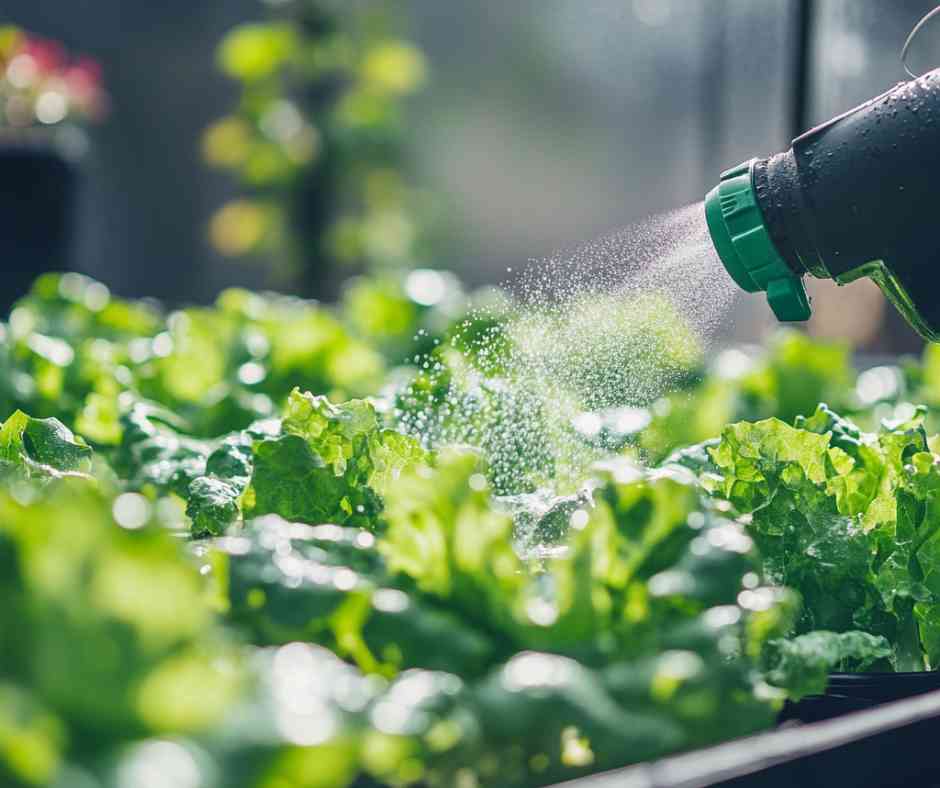
Foliar feeding, a method of applying nutrients directly to plant leaves, enhances nutrient absorption through two main pathways: stomatal uptake and cuticular absorption. Stomatal uptake allows nutrients to enter quickly through leaf pores, making it ideal for addressing immediate nutrient needs, while cuticular absorption provides a slower, alternative route when stomata are closed. Together, these pathways make foliar feeding a valuable tool for promoting plant health, especially during stress. NutriHydro’s biostimulants optimize these pathways to improve plant resilience and growth.

Pathways of Foliar Feeding Read More »

The Works of Biocontrol Protection

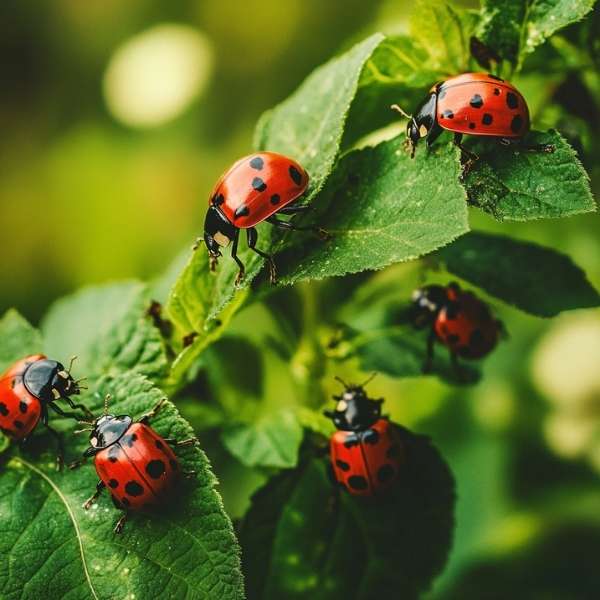
Biocontrol products offer an eco-friendly alternative to chemical pesticides by harnessing natural organisms to combat pests, diseases, and weeds in agriculture. These solutions promote biodiversity, target specific harmful organisms, and help preserve the health of beneficial species and ecosystems. Through mechanisms like predation, parasitism, competition, and induced resistance, biocontrol products support more resilient and sustainable agricultural systems, reducing the need for synthetic chemicals while protecting crops.

The Works of Biocontrol Protection Read More »

Photosynthesis

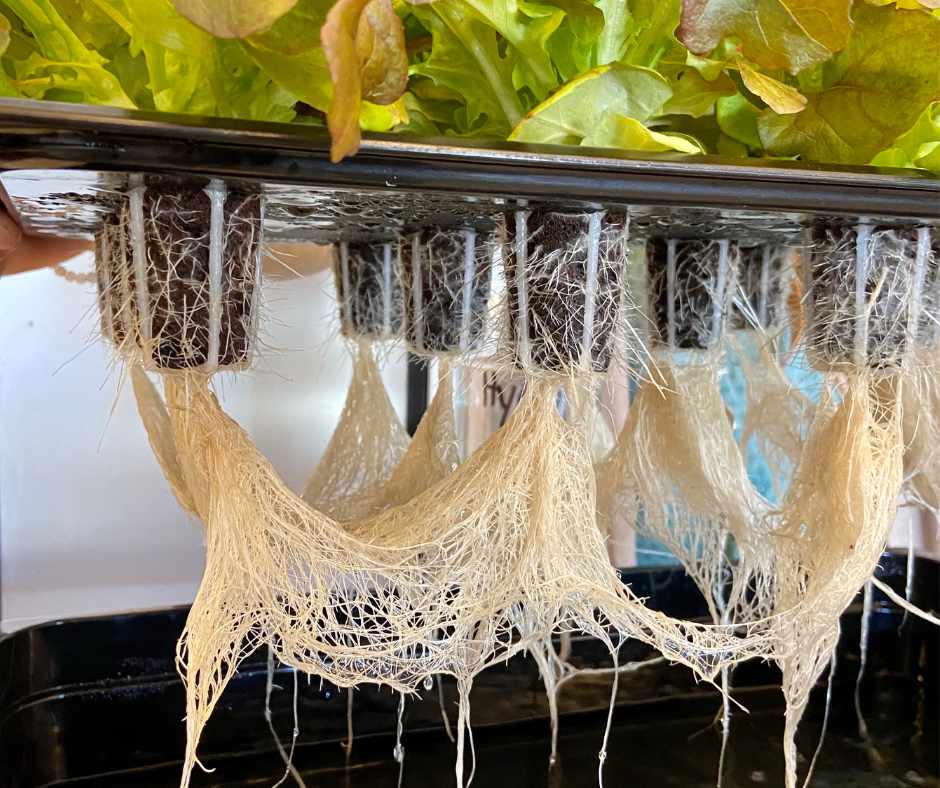
Photosynthesis, essential for plant growth, is enhanced in hydroponic systems through optimized nutrient delivery and controlled environmental factors like light and CO2 levels. By providing direct access to nutrients and ideal growing conditions, hydroponics improves photosynthetic efficiency, leading to healthier, faster-growing plants.

Photosynthesis Read More »

Global Efforts Towards Sustainable Farming Practices

Global efforts are underway to reduce harmful farming practices, with the EU targeting a 50% reduction in pesticide use by 2030. In line with this, NutriHydro is promoting biocontrol products like SUBAMO and BEBASS, aiming to lower chemical pesticide dependence while supporting sustainable farming and crop protection.

Global Efforts Towards Sustainable Farming Practices Read More »

Enhancing Bio Protection Performances with Proper Farm Practices

NutriHydro has launched SUBAMO and BEBASS, innovative Bio Protection products utilizing natural organisms to control agricultural pests and diseases sustainably. Client trials reveal that these solutions are most effective when combined with strong cultural practices like proper sanitation and maintenance, leading to healthier plants and improved crop yields. NutriHydro recommends all growers adopt robust cultural routines to fully benefit from these advanced crop protection products.

Enhancing Bio Protection Performances with Proper Farm Practices Read More »

Usual Causes of Nutrient Deficiencies

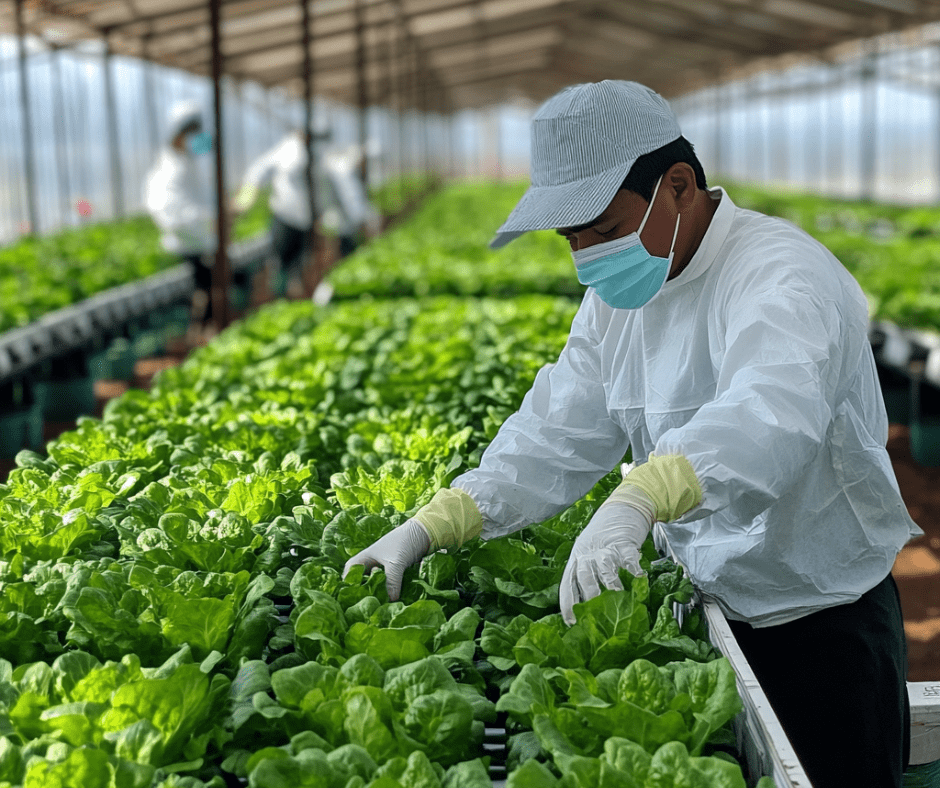
In hydroponic systems, maintaining optimal nutrient levels is crucial for healthy plant growth, yet nutrient deficiencies can still occur. These deficiencies often arise from common issues such as imbalanced nutrient solutions, pH fluctuations, poor water quality, and environmental stressors. By understanding and monitoring these factors, growers can quickly identify and address nutrient deficiencies, ensuring their plants receive the essential nutrients they need to thrive.

Usual Causes of Nutrient Deficiencies Read More »

Scroll to Top