Author name: Honey Joyce Daz

Honey Joyce Daz is a health physicist and a committed community volunteer that is passionate about agriculture. She provides valuable knowledge and raise awareness on sustainable farming practices who helps to cultivate a more informed and resilient community. Through her efforts, we aim to empower local farmers and gardeners to foster a deeper connection to the environment and promoting food security for all.

Honey Joyce Daz

Sustainability for the Next-Generation
Sustainability Explained by Honey Daz

Sustainability is a principle built on decades of research, global collaboration, and policy development.
It gained international attention through the 1987 Brundtland Report, which called for development that meets present needs without harming the ability of future generations to meet theirs. The concept connects three essential areas: social wellbeing, economic responsibility, and environmental protection. These pillars influence how communities grow, how businesses operate, and how natural resources are managed across generations.

Sustainability for the Next-Generation Read More »

Physically Active Lifestyle with a Healthy Diet

Modern lifestyles challenge our well-being, but research shows that regular exercise and a nutritious diet can add years to our lives. Embracing activities like walking and strength training, along with a Mediterranean-style diet, reduces chronic disease risks and enhances overall health. Prioritize these habits today for a longer, healthier future.

Physically Active Lifestyle with a Healthy Diet Read More »

NH, now an Official Participant in the United Nations Global Compact Sustainability Initiatives

NutriHydro is thrilled to announce its participation in the United Nations Global Compact, reflecting its commitment to sustainable development. By aligning with eight key Sustainable Development Goals (SDGs), including Zero Hunger, Good Health, Quality Education, and Clean Water, NutriHydro aims to tackle global challenges through innovative hydroponic farming solutions. The company promotes pesticide-free, nutrient-rich food production while conserving resources through advanced water-saving techniques. NutriHydro also focuses on education, providing training and knowledge-sharing platforms to inspire the next generation of sustainable growers. Through partnerships with NGOs, governments, and educational institutions, NutriHydro maximizes its impact, fostering innovation, promoting responsible production, and strengthening collaborative efforts worldwide. With this milestone, NutriHydro reaffirms its commitment to creating a healthier, more sustainable future for communities and the planet.

NH, now an Official Participant in the United Nations Global Compact Sustainability Initiatives Read More »

Global Prevalence of Pesticide Residues in Food

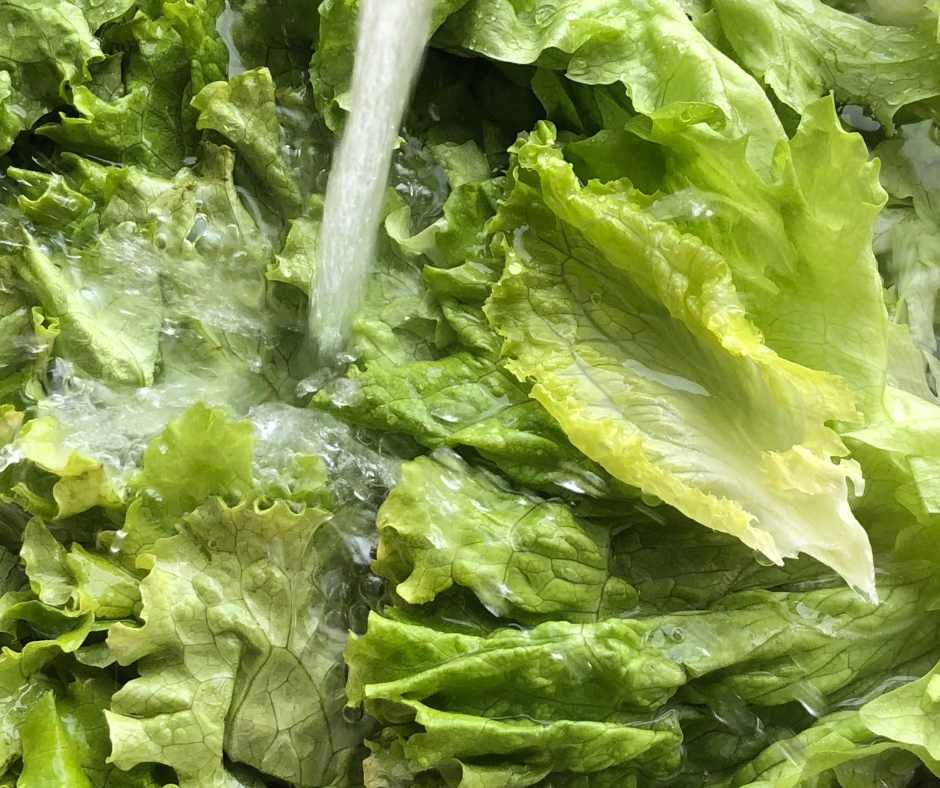
The World Health Organization (WHO) highlights pesticide residues in food as a serious global issue, with risk assessments showing residues present in many food items. In the Philippines, studies reveal pesticide residues in staples like rice and vegetables, raising concerns about potential health risks from chronic exposure. Prolonged exposure to pesticide residues has been linked to cancer, hormonal disruptions, and neurological issues, particularly affecting vulnerable populations like children and pregnant women. To reduce risks, consumers are advised to wash produce thoroughly, peel fruits and vegetables, and opt for organic products where possible. Continuous monitoring, stricter regulations, and increased consumer awareness are essential steps in addressing pesticide residue concerns and ensuring safer food for all.

Global Prevalence of Pesticide Residues in Food Read More »

Nutrient-Dense Crops for Better Health

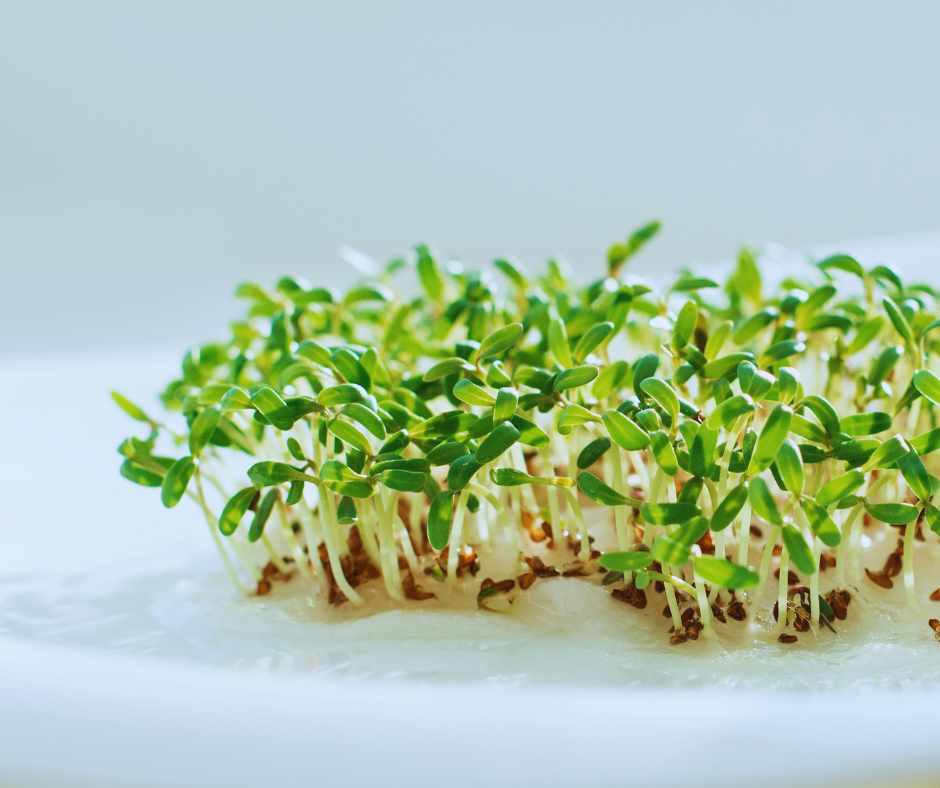
Efficient planting methods play a key role in reducing malnutrition, especially in low-income areas where access to diverse, nutrient-rich foods is limited. Practices like crop rotation, intercropping, and biofortification help produce essential vitamins and minerals that improve overall health. Nutrient-rich plants also strengthen immunity by providing antioxidants and reducing exposure to harmful chemicals found in conventional farming. By adopting sustainable farming practices, farmers can grow cleaner, healthier crops that benefit both people and the environment. Governments, organizations, and individuals must work together to promote these methods and educate communities on the importance of clean eating to fight malnutrition and improve public health globally.

Nutrient-Dense Crops for Better Health Read More »

Preventing Lifestyle Diseases

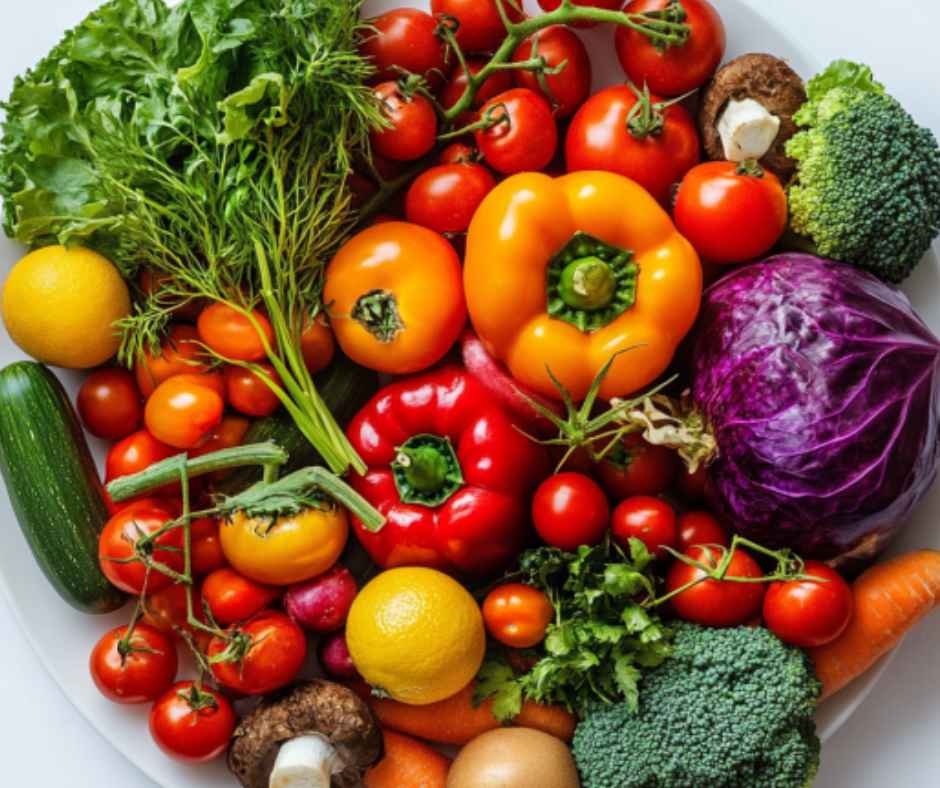
Lifestyle diseases like diabetes, hypertension, and obesity are growing global health concerns, often caused by poor dietary choices and inactive lifestyles. Research shows that switching to a diet rich in organic, chemical-free foods can significantly reduce the risk of these chronic conditions. Organic products are grown without synthetic pesticides and fertilizers, providing more antioxidants, essential vitamins, and minerals that help combat inflammation, regulate blood sugar levels, and improve heart health. By promoting clean eating, we can reduce disease risks and pave the way for a healthier, more sustainable future.

Preventing Lifestyle Diseases Read More »

Mitigating Pesticide Residue Risks

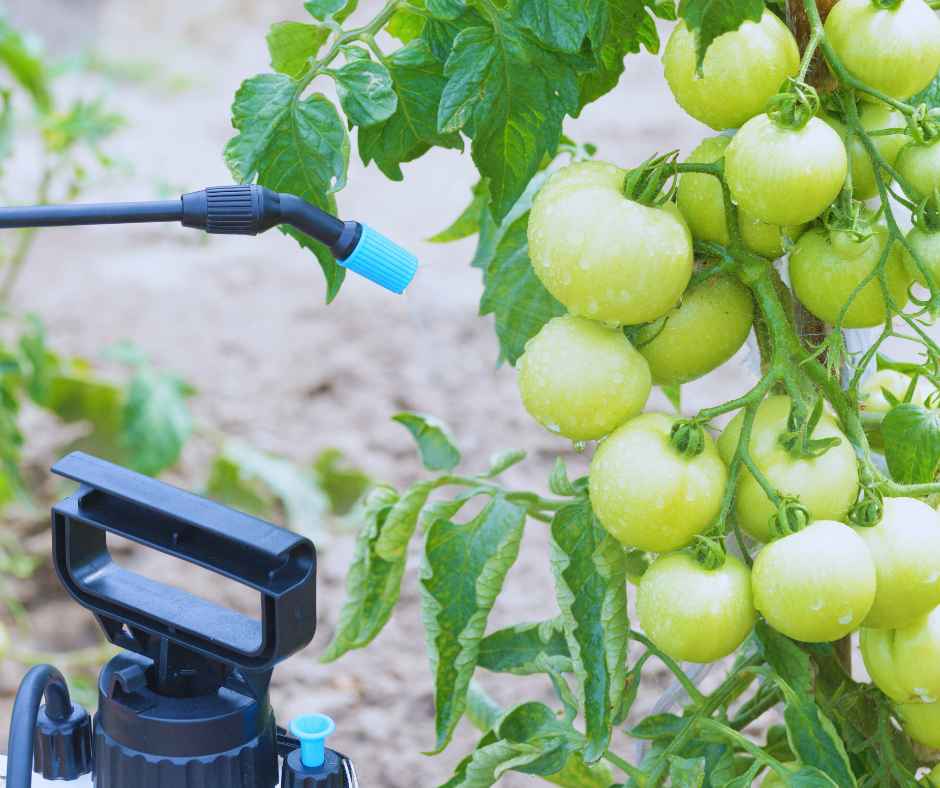
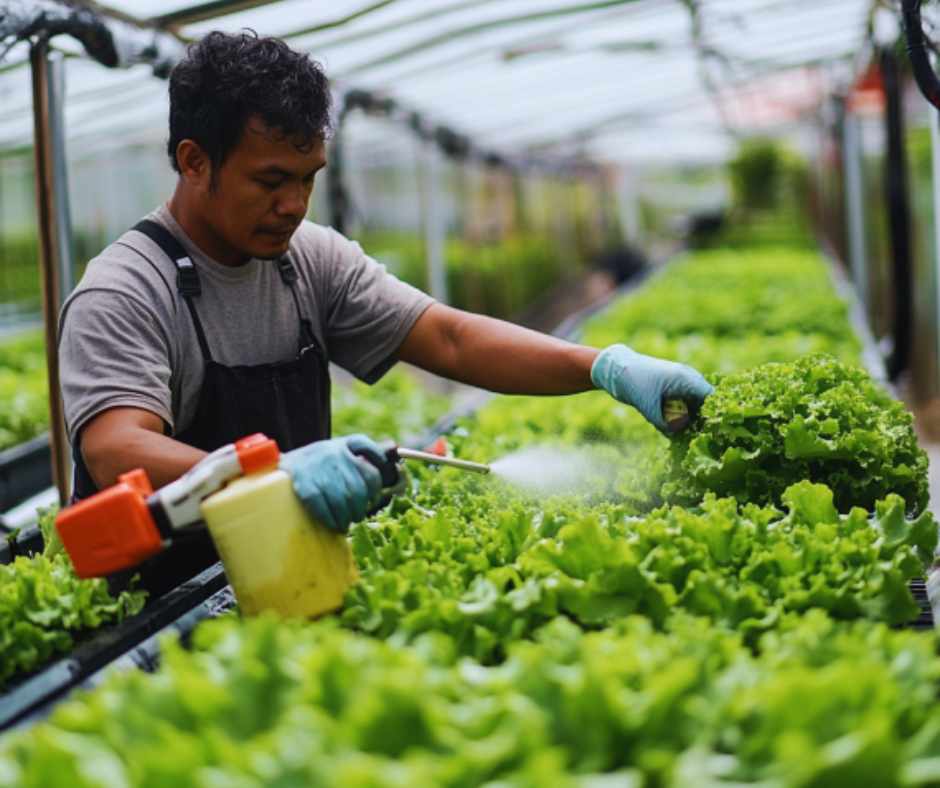
Mitigating the risks posed by pesticide residues in food involves a multi-faceted approach that includes government policies, industry practices, and consumer awareness. Strict regulations and regular testing of food for pesticide residues are essential to ensure compliance and public safety. Promoting organic farming and Integrated Pest Management (IPM) can significantly reduce reliance on chemical pesticides by encouraging sustainable practices like biological controls and crop rotation. NutriHydro takes proactive steps by eliminating synthetic pesticides and adopting natural biocontrol solutions such as Subamo and Bebass. This approach protects both the environment and community health, providing safe, pesticide-free produce while advancing sustainable farming practices that minimize ecological and health risks.

Mitigating Pesticide Residue Risks Read More »

Health Issues from Pesticide Residues

Pesticide residues pose serious health risks, including cancer, hormonal imbalances, and neurological disorders. Prolonged exposure to chemicals like glyphosate and organophosphates has been linked to Parkinson’s disease, infertility, and weakened immunity. NutriHydro addresses these risks by using natural biocontrol solutions like Subamo and Bebass, ensuring safer, chemical-free produce for consumers.

Health Issues from Pesticide Residues Read More »

Food Loss and Waste

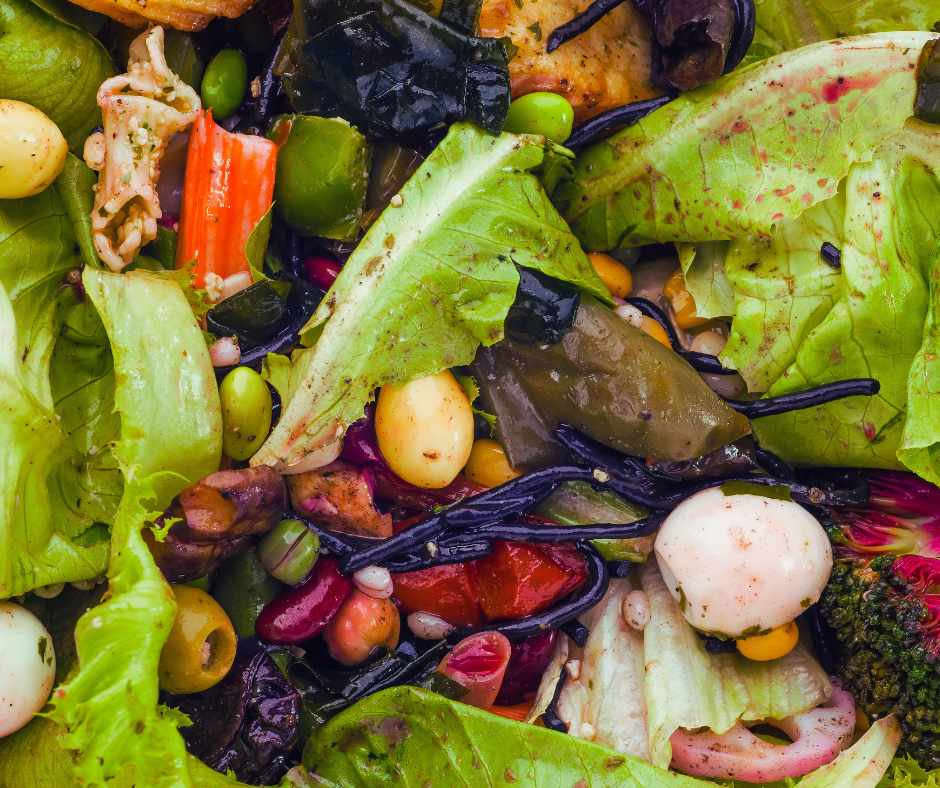
Food loss and waste (FLW) are major issues in the Philippines, affecting food security, the economy, and the environment. Losses occur across the food supply chain due to inadequate post-harvest practices, poor logistics, and household waste. Solutions include improving storage, enhancing logistics, and promoting policies like the Food Waste Reduction Act. Community programs such as food banks and composting further help reduce waste while addressing hunger and promoting sustainability.

Food Loss and Waste Read More »

Temperature Management in Growing Lettuces

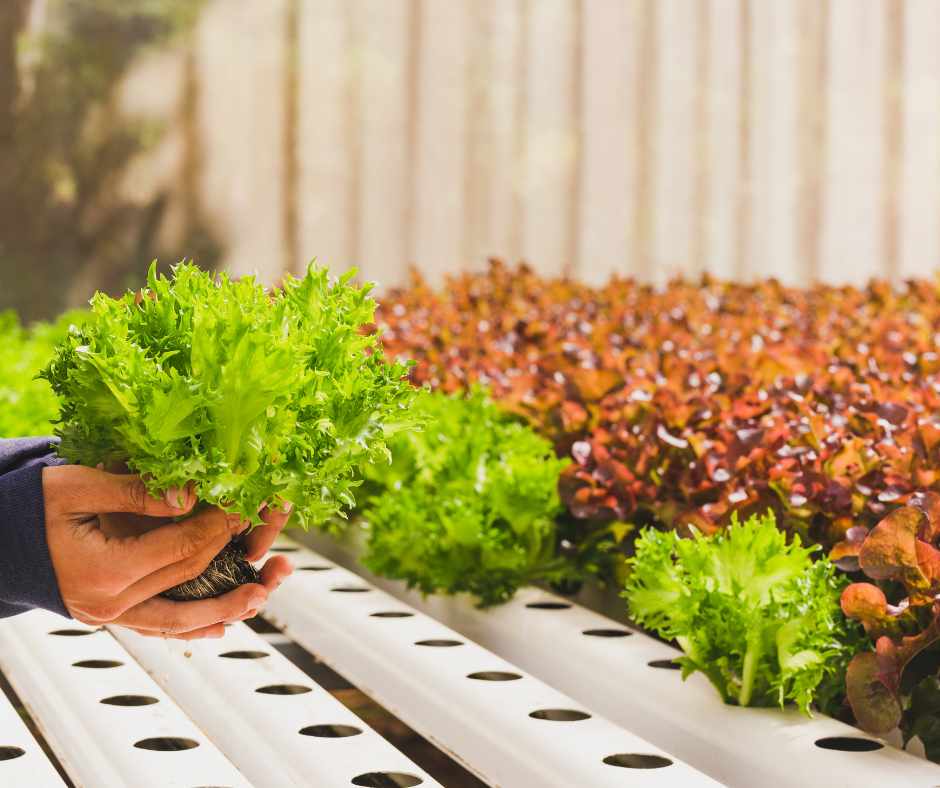
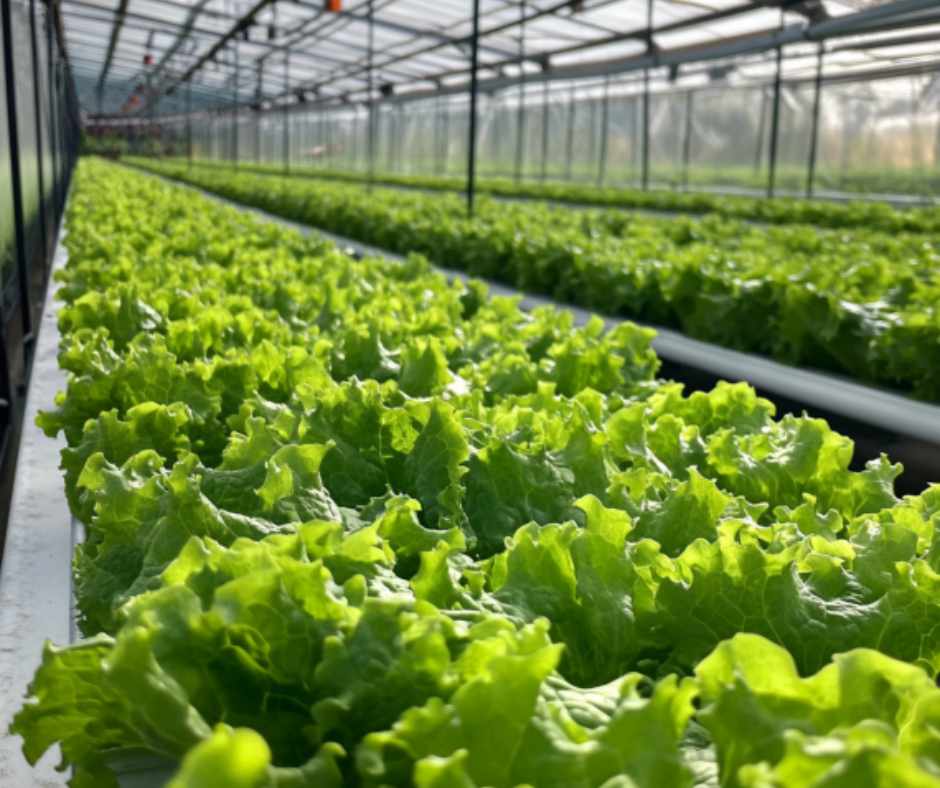
Lettuce (Lactuca sativa) thrives in hydroponic systems at 18°C to 22°C (64°F to 72°F), with cooler temperatures promoting growth and crisp leaves. High temperatures above 25°C can cause bolting, bitterness, and pale leaves, reducing quality. Effective solutions like cooling systems and automated controls help maintain optimal growing conditions for healthier crops.

Temperature Management in Growing Lettuces Read More »

F1 Seeds in Agriculture

F1 seeds have revolutionized modern agriculture by combining traits from genetically distinct parent plants. These hybrid seeds offer superior yields, disease resistance, and environmental adaptability, making them a cornerstone of sustainable farming. With advancements in breeding techniques, F1 seeds are paving the way for enhanced food security and agricultural innovation.

F1 Seeds in Agriculture Read More »

Scroll to Top