Cultivation

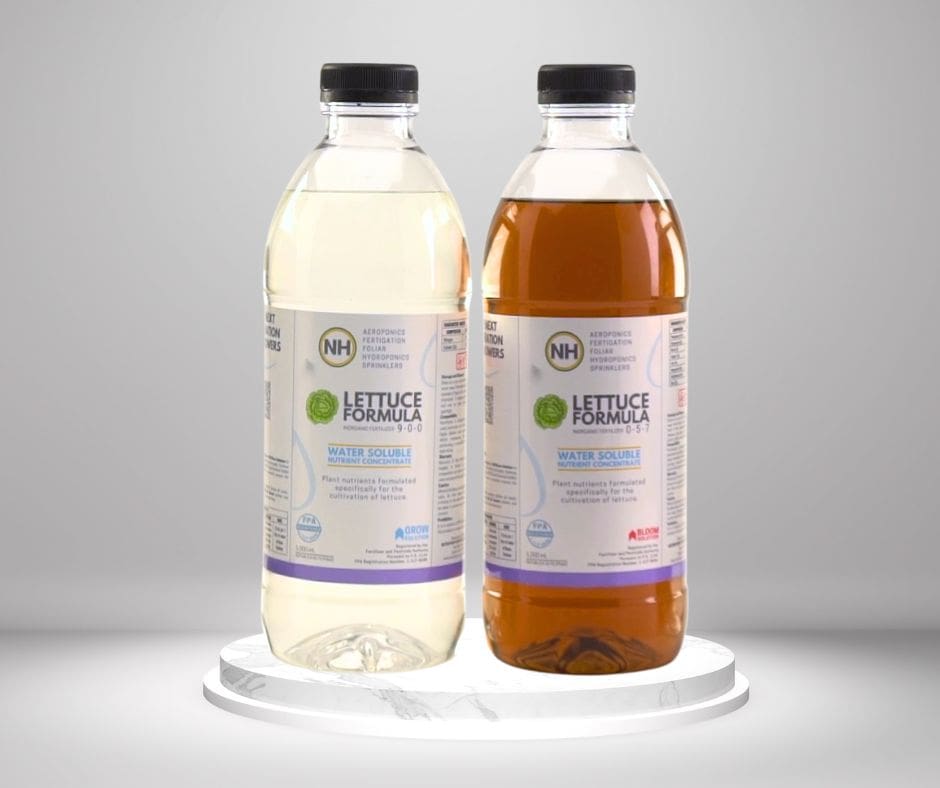
NH Lettuce Formula with Companion Products Application Guide

Why Your Lettuce Yellows Despite Perfect TDS

You’re using premium nutrients, following the mixing instructions perfectly, maintaining the correct TDS—yet your lettuce is still yellowing, stunted, or developing thick, brown roots. The problem? It’s almost never the nutrients.

Nutrihydro’s Lettuce Formula delivers complete nutrition when mixed properly. Growers using NH Lettuce Formula grow the biggest, healthiest, and heaviest lettuce across the country from Luzon to Mindanao. But while nutrients deliver yield and remain the biggest factor in productivity, proper results require managing three critical parameters most growers overlook.

Lettuce roots should be long, hair-like, and white. During farm visits, we consistently observe short, thick roots with dissolved oxygen below 4 g/L—hypoxic conditions that cause yellowing and stunted growth even when pH and TDS are correct. Install aerators and keep water temperature at 18–22°C for optimal oxygen levels.

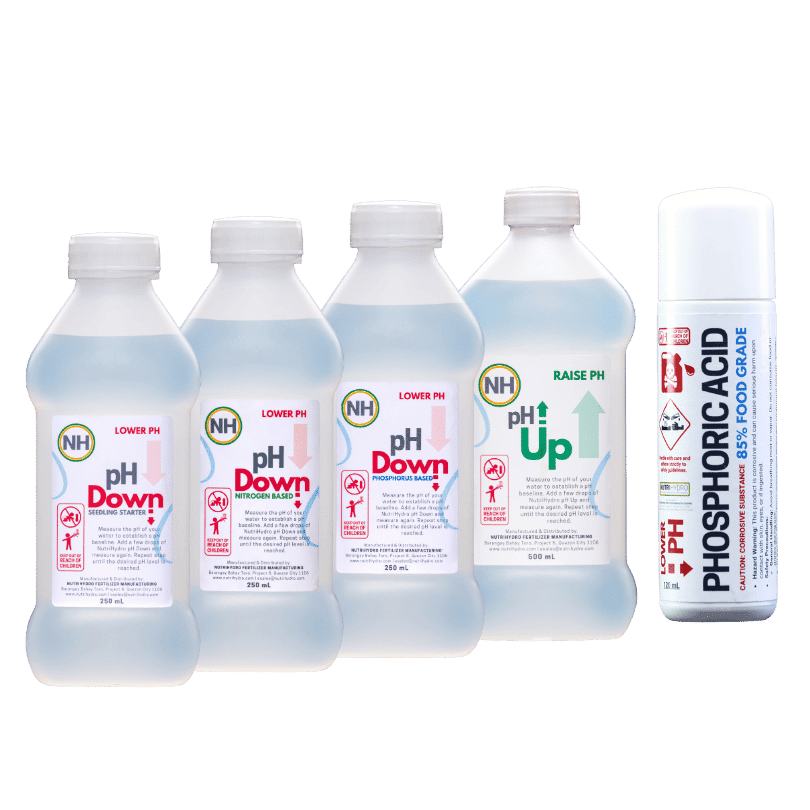
Many growers maintain correct TDS but skip pH management due to extra work and cost. Without pH between 5.5–6.0, even perfectly formulated nutrients cannot be absorbed. At pH above 6.2, iron, manganese, and zinc precipitate out and become unavailable despite adequate amounts in solution. Use NH Phosphoric Acid 85% to maintain precise pH control at 5.8.

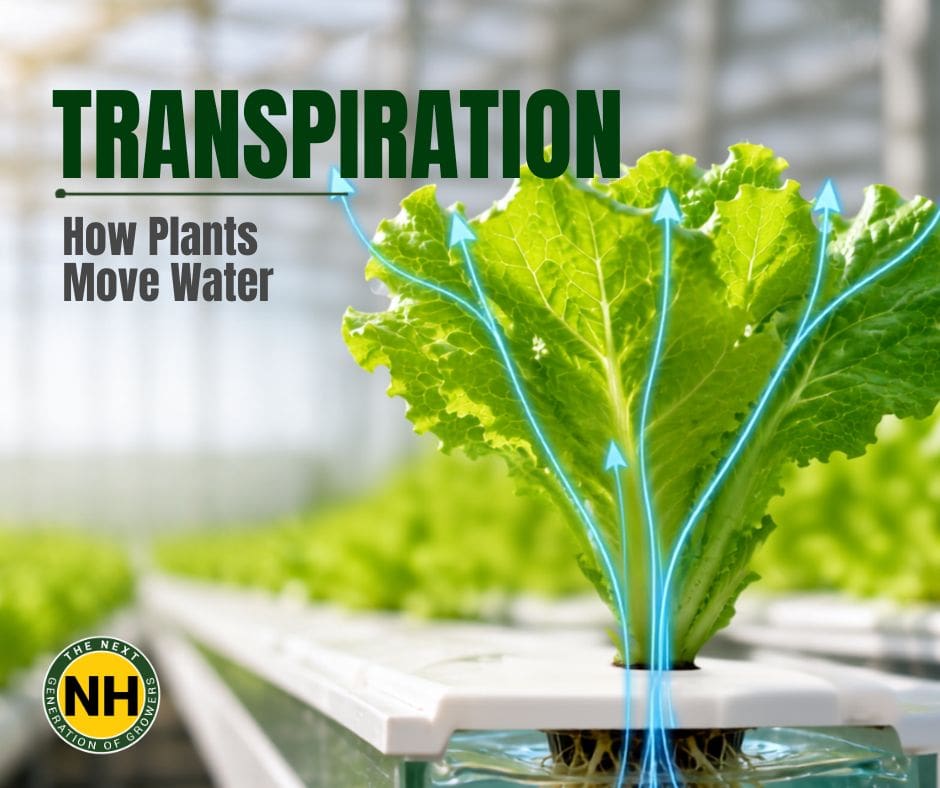
In the Philippines, high humidity slows transpiration—the plant’s internal transport system that moves nutrients from roots to leaves. When transpiration slows, nutrient delivery drops and growth stalls even with correct EC and pH. Lettuce becomes vulnerable to tip burn as calcium cannot reach leaf margins. Increase airflow and use NH Bio-CalMag foliar spray at 1–2 mL per liter during humidity spikes.

Premium nutrients alone don’t guarantee premium results. NH Lettuce Formula provides the foundation, but harvest quality depends on managing dissolved oxygen, pH stability, and transpiration-driven nutrient transport in concert. Target EC of 0.6–0.7 for seedlings, 1.2–1.4 during vegetative growth, and 1.4–1.6 in the final stretch. Maintain pH at 5.5–6.0, dissolved oxygen at 4 g/L or above, humidity between 55–70%, and water temperature at 18–22°C.

Master these fundamentals—proper mixing protocol, adequate dissolved oxygen, precise pH management, and humidity control with NH Phosphoric Acid and NH Bio-CalMag—and you’ll achieve the productivity that separates profitable operations from struggling ones. Your investment in NH Lettuce Formula deserves full system optimization. Follow these protocols, measure consistently, and respond decisively to problems, and you’ll grow lettuce that reflects the true potential of both your nutrients and your skill as a grower.
NH Lettuce Formula with Companion Products Application Guide Read More »

Why Your Expensive Nutrient Solution Can’t Replace Sunlight

The Dangerous Myth Costing Hydroponic Growers Their Crops

A persistent and costly misconception is circulating through agricultural social media: that specialized nutrient solutions can somehow reduce or replace a plant’s need for adequate light. This dangerous myth has led to devastating crop failures for growers who believed expensive fertilizers could compensate for insufficient lighting.

The reality, as experts from NutriHydro and physicist Honey Daz emphasize, is rooted in fundamental biology. Nutrients are not energy sources—they’re mineral building blocks for plant structures. The actual energy driving growth comes exclusively from light photons through photosynthesis. When light strikes a leaf, it powers the creation of sugars that serve as the plant’s true food source. Without adequate light in the 400-700 nanometer PAR spectrum, no nutrient formulation can bridge this energy gap.

One documented case reveals the real-world consequences: a grower produced visually beautiful lettuce that literally fell apart after washing. Misled by the myth, the grower had increased nutrient concentrations to compensate for poor lighting, creating nutrient antagonism while failing to address the fundamental problem—insufficient photosynthetic activity left the plants unable to build strong cellular structures.

For lettuce cultivation, stable quality requires a Daily Light Integral between 12-17 moles per square meter per day. The takeaway is unambiguous: light comes first, nutrients second. No bottle can replace the free energy pouring down from the sun.

Why Your Expensive Nutrient Solution Can’t Replace Sunlight Read More »

The Cocopeat Problem Nobody Warns You About

The Invisible Mistake That Kills 90% of First-Time Hydroponic Gardens

For aspiring hydroponic growers, the promise is tantalizing: fresh vegetables grown without soil, controlled environments, and year-round harvests. Yet an estimated 90% of beginners fail in their first attempt, not from lack of dedication, but from overlooking a critical step that seasoned growers consider non-negotiable.

The problem isn’t visible to the naked eye. It doesn’t announce itself with dramatic wilting or pest infestations. Instead, it manifests slowly: yellowing leaves despite adequate fertilization, mysterious tip burns on plant edges, and growth so sluggish it feels like watching paint dry.

The culprit? Improperly prepared cocopeat.

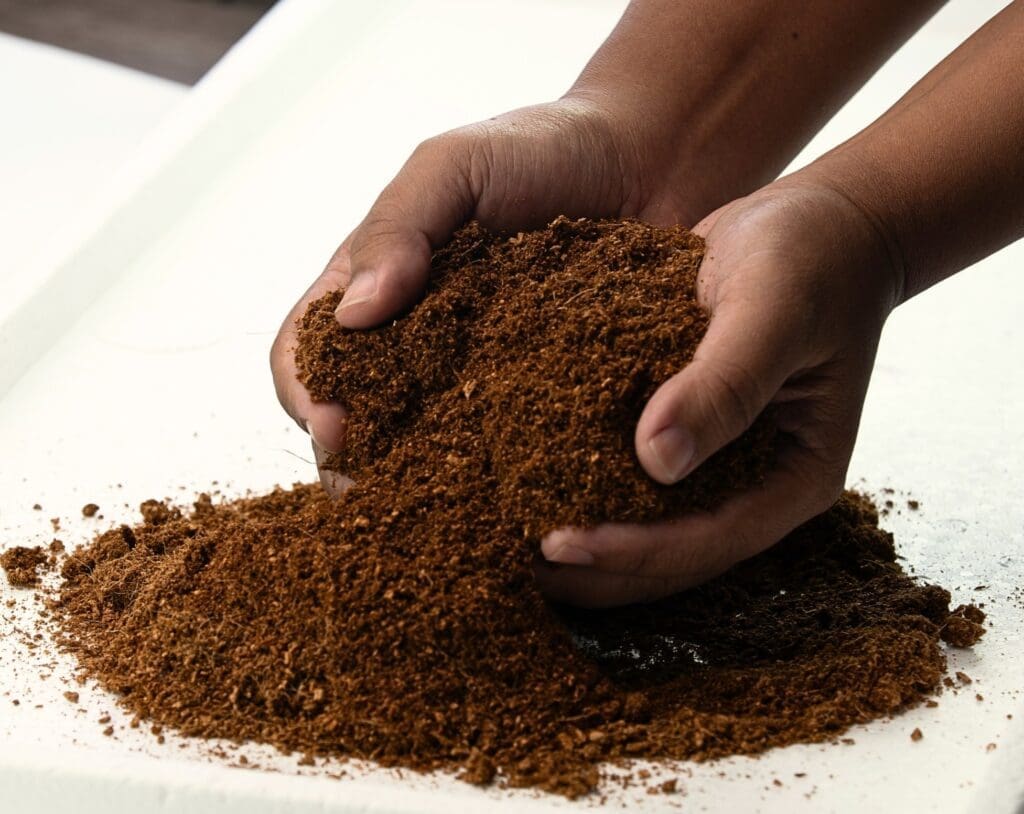
Cocopeat, the fibrous material extracted from coconut husks, has become the darling of hydroponic enthusiasts. It’s sustainable, retains moisture well, and provides excellent aeration for roots. But straight from the supplier, it harbors a dangerous secret: it’s loaded with potassium and sodium salts that create nutrient lockout—an invisible wall blocking the flow of essential nutrients your plants desperately need.

The fertilizers are there, dissolved in the water, circulating through your system. But the plant roots simply cannot absorb them. Money invested in premium nutrient solutions goes to waste. Hours of careful monitoring yield nothing but frustration.

Discover the two-step professional preparation process that transforms problem-plagued cocopeat into a nutrient-balanced, oxygen-rich growing medium—and why precision, not guesswork, separates thriving harvests from disappointing failures.

The Cocopeat Problem Nobody Warns You About Read More »

How Sunlight Affects the Growth of Batavia Lettuce

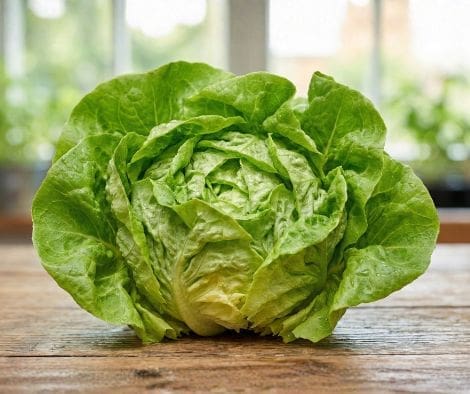
A grower in the Philippines noticed his Batavia lettuce (Rijk Zwaan Olmetie) had greener leaves, a compact but dense growth, and thicker foliage. These changes are natural adaptations to intense sunlight, driven by increased photosynthesis and morphological adjustments. Understanding these plant responses helps growers optimize their cultivation practices for better yield and quality.

How Sunlight Affects the Growth of Batavia Lettuce Read More »

Mitigating Pesticide Residue Risks

Mitigating the risks posed by pesticide residues in food involves a multi-faceted approach that includes government policies, industry practices, and consumer awareness. Strict regulations and regular testing of food for pesticide residues are essential to ensure compliance and public safety. Promoting organic farming and Integrated Pest Management (IPM) can significantly reduce reliance on chemical pesticides by encouraging sustainable practices like biological controls and crop rotation. NutriHydro takes proactive steps by eliminating synthetic pesticides and adopting natural biocontrol solutions such as Subamo and Bebass. This approach protects both the environment and community health, providing safe, pesticide-free produce while advancing sustainable farming practices that minimize ecological and health risks.

Mitigating Pesticide Residue Risks Read More »

F1 Seeds in Agriculture

F1 seeds have revolutionized modern agriculture by combining traits from genetically distinct parent plants. These hybrid seeds offer superior yields, disease resistance, and environmental adaptability, making them a cornerstone of sustainable farming. With advancements in breeding techniques, F1 seeds are paving the way for enhanced food security and agricultural innovation.

F1 Seeds in Agriculture Read More »

Plant Growth Regulators (PGRs)

Plant Growth Regulators (PGRs) are reshaping modern agriculture by influencing growth, stress tolerance, and yield optimization. These compounds, ranging from auxins to ethylene, enable targeted interventions for improved crop productivity and sustainability. With advancements in precision delivery systems, PGRs are set to revolutionize global farming practices.

Plant Growth Regulators (PGRs) Read More »

Grow Lights Metrics

Light plays a vital role in indoor hydroponics, driving photosynthesis and supporting plant health. Key metrics like PAR (Photosynthetically Active Radiation), PPFD (Photosynthetic Photon Flux Density), and DLI (Daily Light Integral) help growers tailor lighting for each growth stage. Understanding these metrics enables precise control, reduces resource waste, and boosts crop productivity in controlled environments.

Grow Lights Metrics Read More »

Scroll to Top