Cultivation

Plant Growth Regulators (PGRs)

Plant Growth Regulators (PGRs) are reshaping modern agriculture by influencing growth, stress tolerance, and yield optimization. These compounds, ranging from auxins to ethylene, enable targeted interventions for improved crop productivity and sustainability. With advancements in precision delivery systems, PGRs are set to revolutionize global farming practices.

Plant Growth Regulators (PGRs) Read More »

Grow Lights Metrics

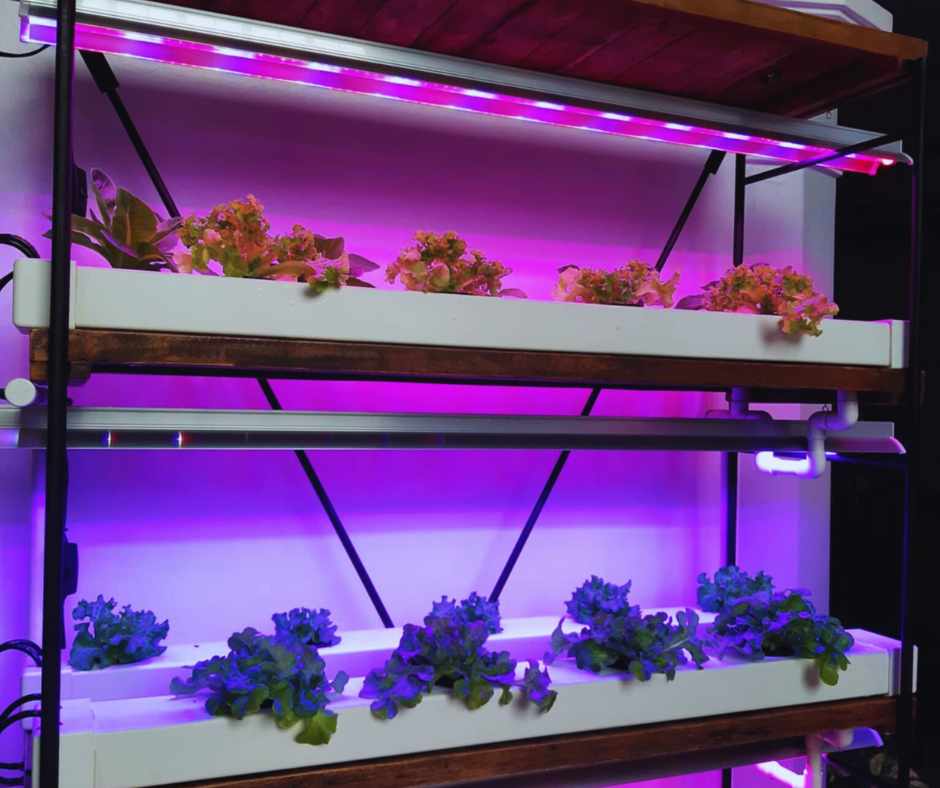
Light plays a vital role in indoor hydroponics, driving photosynthesis and supporting plant health. Key metrics like PAR (Photosynthetically Active Radiation), PPFD (Photosynthetic Photon Flux Density), and DLI (Daily Light Integral) help growers tailor lighting for each growth stage. Understanding these metrics enables precise control, reduces resource waste, and boosts crop productivity in controlled environments.

Grow Lights Metrics Read More »

Dissolved Oxygen in Hydroponics

Dissolved oxygen (DO) is a vital component in hydroponic systems, directly influencing root health, nutrient absorption, and plant productivity. Research highlights that maintaining DO levels between 5-30 mg/L is optimal for most crops, supporting aerobic respiration and robust growth. Techniques such as aeration, surface agitation, and nanobubble technology ensure adequate oxygenation, while cooler water temperatures enhance DO retention. Conversely, insufficient DO fosters anaerobic conditions, stunting growth and promoting harmful pathogens. Studies underscore the benefits of effective DO management, not only for plant health but also as a sustainable practice that reduces environmental impact and promotes agricultural efficiency.

Dissolved Oxygen in Hydroponics Read More »

Water Buffer in Hydroponics

In hydroponics, water’s buffering capacity stabilizes pH levels, ensuring consistent nutrient availability and preventing plant stress. Maintaining a pH range of 5.5–6.5 avoids deficiencies or toxicities, while buffering protects against harmful ion concentrations. Research shows that buffered solutions enhance plant growth and yields, making buffering essential for hydroponic success.

Water Buffer in Hydroponics Read More »

Detecting Nectar Through Unique Senses

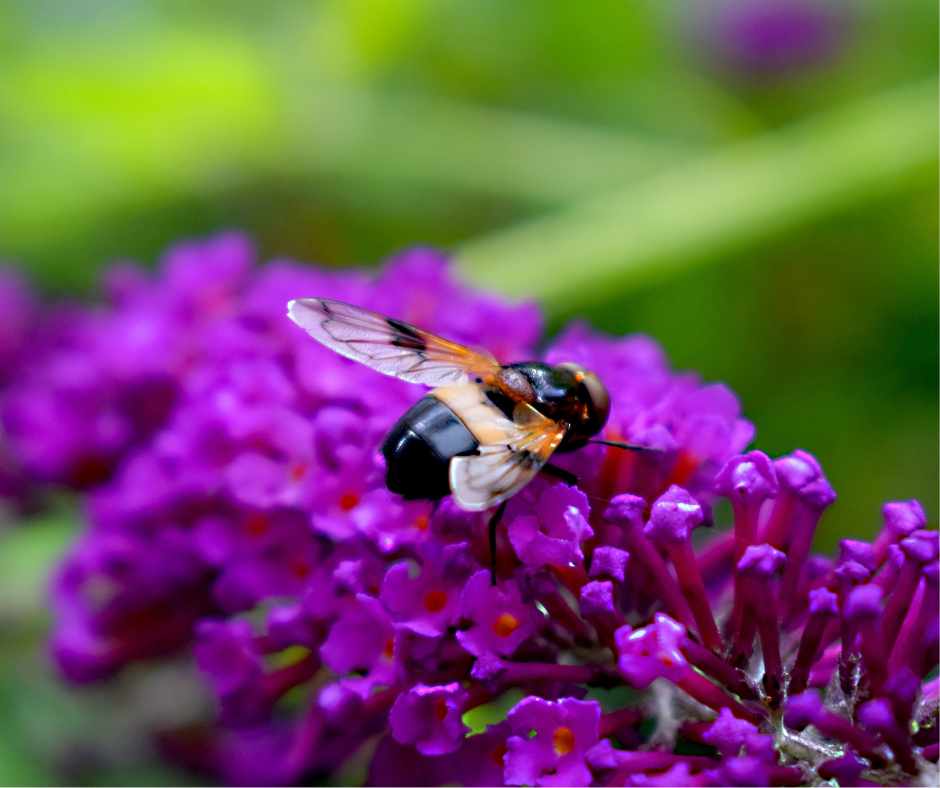
Bees use unique senses like UV vision, smell, and electroreception to efficiently locate nectar. UV patterns guide them to nectar-rich flower centers, distinct scents help them identify rewarding flowers, and electric fields indicate nectar availability. These abilities support pollination, essential for biodiversity and agriculture, highlighting the need to protect bee habitats.

Detecting Nectar Through Unique Senses Read More »

Reduced Infestations with Grow Lights

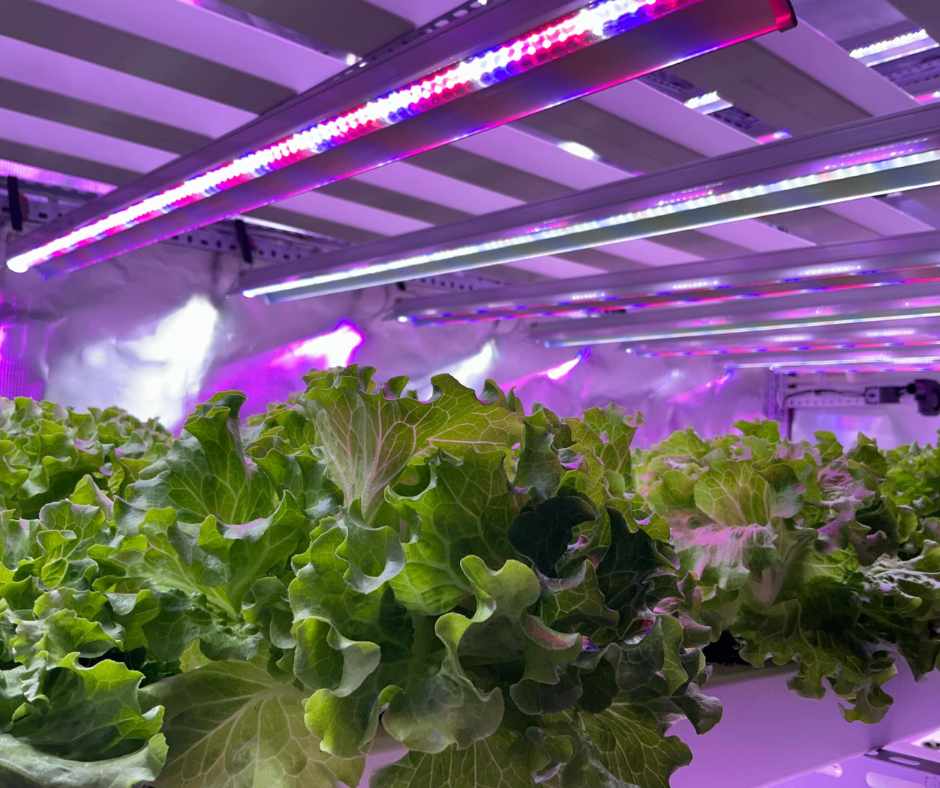
LED grow lights offer a sustainable solution to pest and disease management in indoor farming. By providing precise light spectrums, they promote healthier plants with natural defenses like thicker stems and roots. Combined with a controlled environment, these lights reduce exposure to pests, fungi, and bacteria, minimizing the need for chemical pesticides.

Reduced Infestations with Grow Lights Read More »

Indoor Pollination with Grow Lights

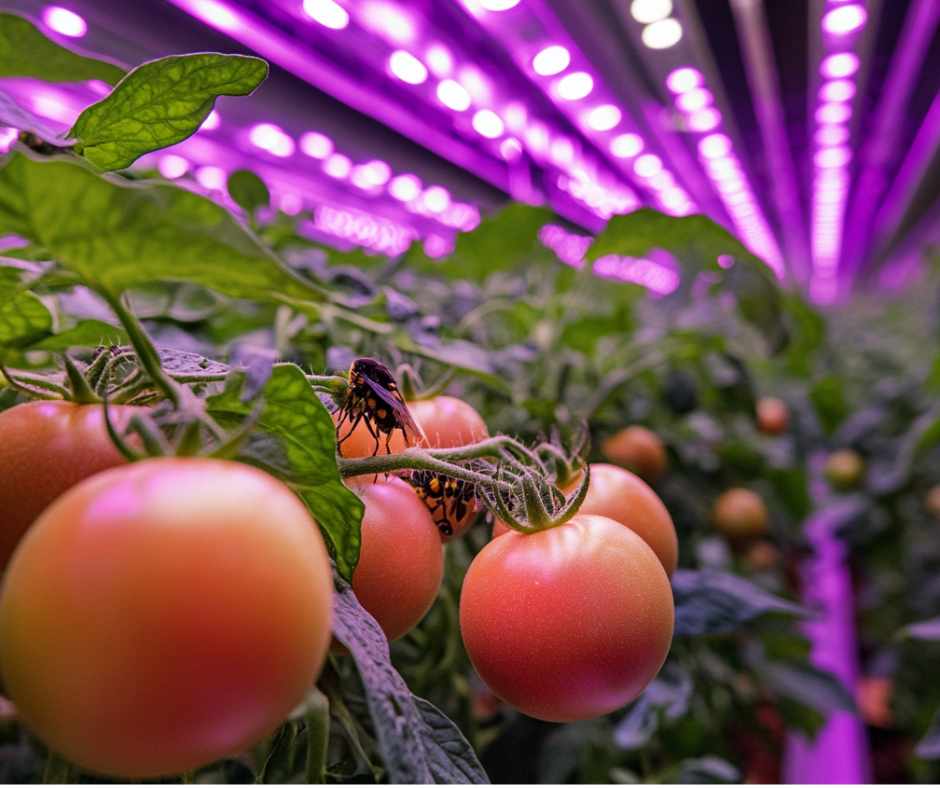
Indoor farming and greenhouses lack natural sunlight and pollinators, but grow lights provide an effective solution. By emitting UV and blue wavelengths, grow lights attract pollinators like bees, enhance foraging activity, and mimic outdoor conditions. They also regulate light cycles and emit infrared to support nocturnal pollination, ensuring efficient pollination for diverse crops.

Indoor Pollination with Grow Lights Read More »

Environmental Factors Influencing Stomatal Behavior

Stomata, tiny pores on plant leaves, control gas exchange and water loss, crucially influencing nutrient uptake during foliar feeding. Their responsiveness to light, humidity, COâ‚‚ levels, and water availability helps optimize nutrient absorption. Understanding these factors allows growers to create conditions that enhance plant health and boost productivity.

Environmental Factors Influencing Stomatal Behavior Read More »

Scroll to Top