Cultivation

Photosynthesis

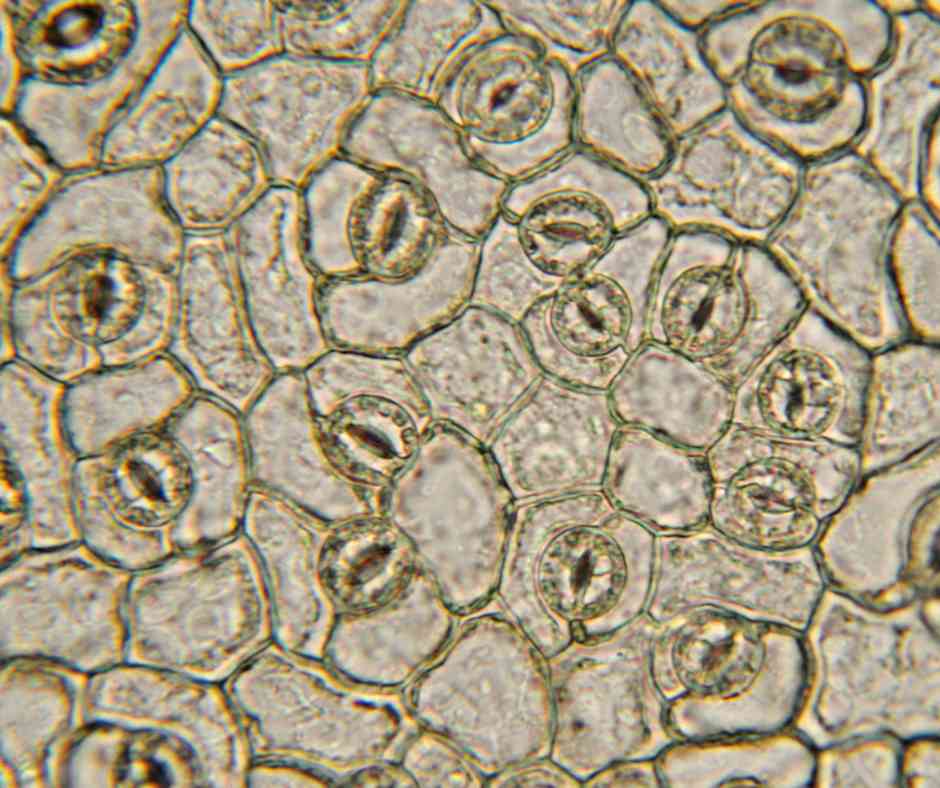
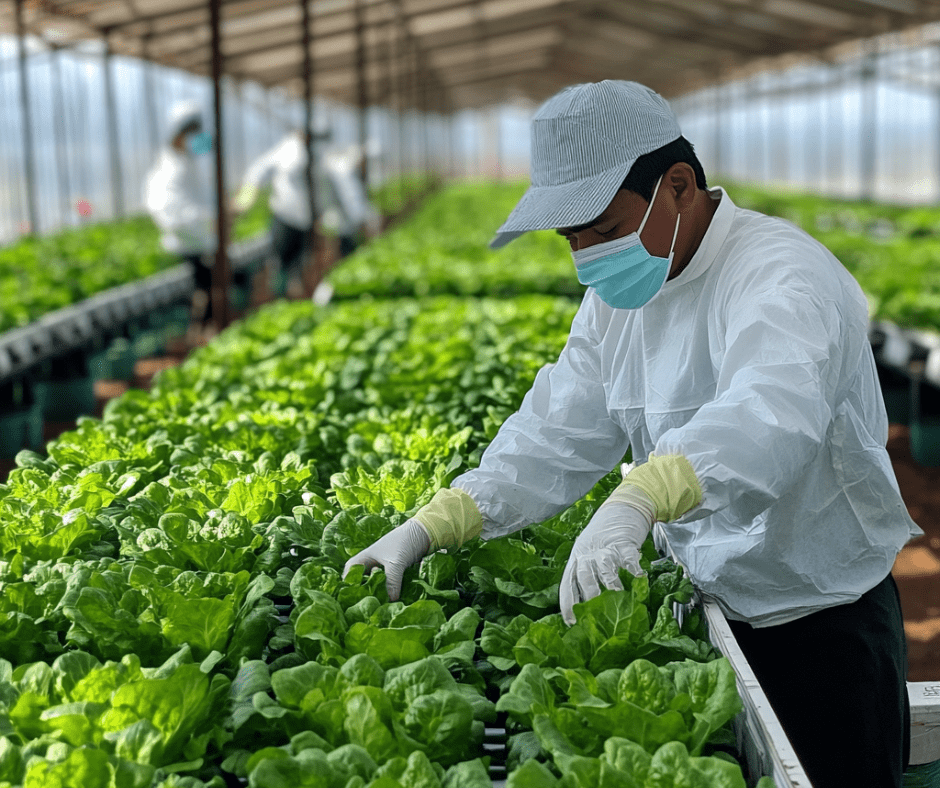
Photosynthesis, essential for plant growth, is enhanced in hydroponic systems through optimized nutrient delivery and controlled environmental factors like light and CO2 levels. By providing direct access to nutrients and ideal growing conditions, hydroponics improves photosynthetic efficiency, leading to healthier, faster-growing plants.

Photosynthesis Read More »

Global Efforts Towards Sustainable Farming Practices

Global efforts are underway to reduce harmful farming practices, with the EU targeting a 50% reduction in pesticide use by 2030. In line with this, NutriHydro is promoting biocontrol products like SUBAMO and BEBASS, aiming to lower chemical pesticide dependence while supporting sustainable farming and crop protection.

Global Efforts Towards Sustainable Farming Practices Read More »

Enhancing Bio Protection Performances with Proper Farm Practices

NutriHydro has launched SUBAMO and BEBASS, innovative Bio Protection products utilizing natural organisms to control agricultural pests and diseases sustainably. Client trials reveal that these solutions are most effective when combined with strong cultural practices like proper sanitation and maintenance, leading to healthier plants and improved crop yields. NutriHydro recommends all growers adopt robust cultural routines to fully benefit from these advanced crop protection products.

Enhancing Bio Protection Performances with Proper Farm Practices Read More »

Usual Causes of Nutrient Deficiencies

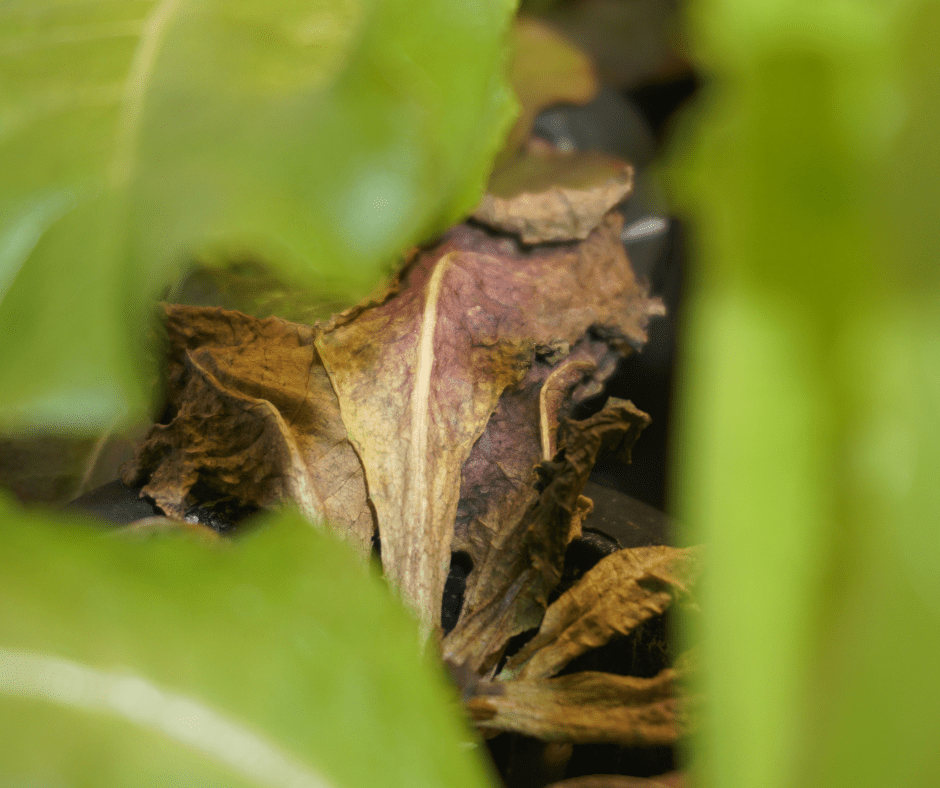
In hydroponic systems, maintaining optimal nutrient levels is crucial for healthy plant growth, yet nutrient deficiencies can still occur. These deficiencies often arise from common issues such as imbalanced nutrient solutions, pH fluctuations, poor water quality, and environmental stressors. By understanding and monitoring these factors, growers can quickly identify and address nutrient deficiencies, ensuring their plants receive the essential nutrients they need to thrive.

Usual Causes of Nutrient Deficiencies Read More »

Lighting Up Growth in the ISS Veggie Plant Growth System

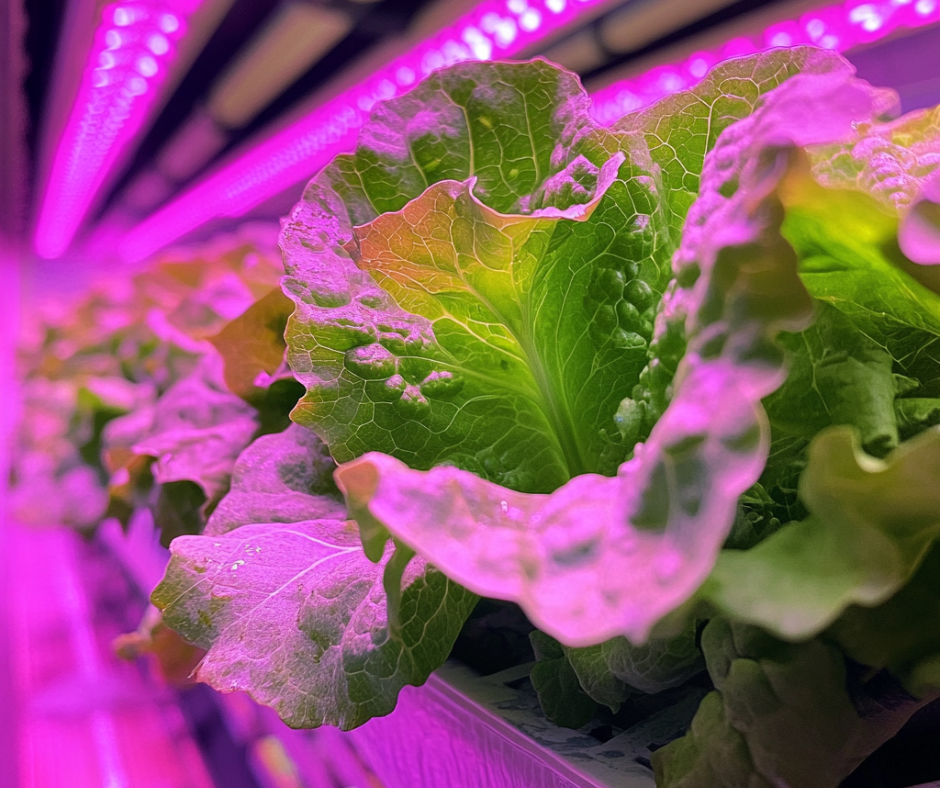
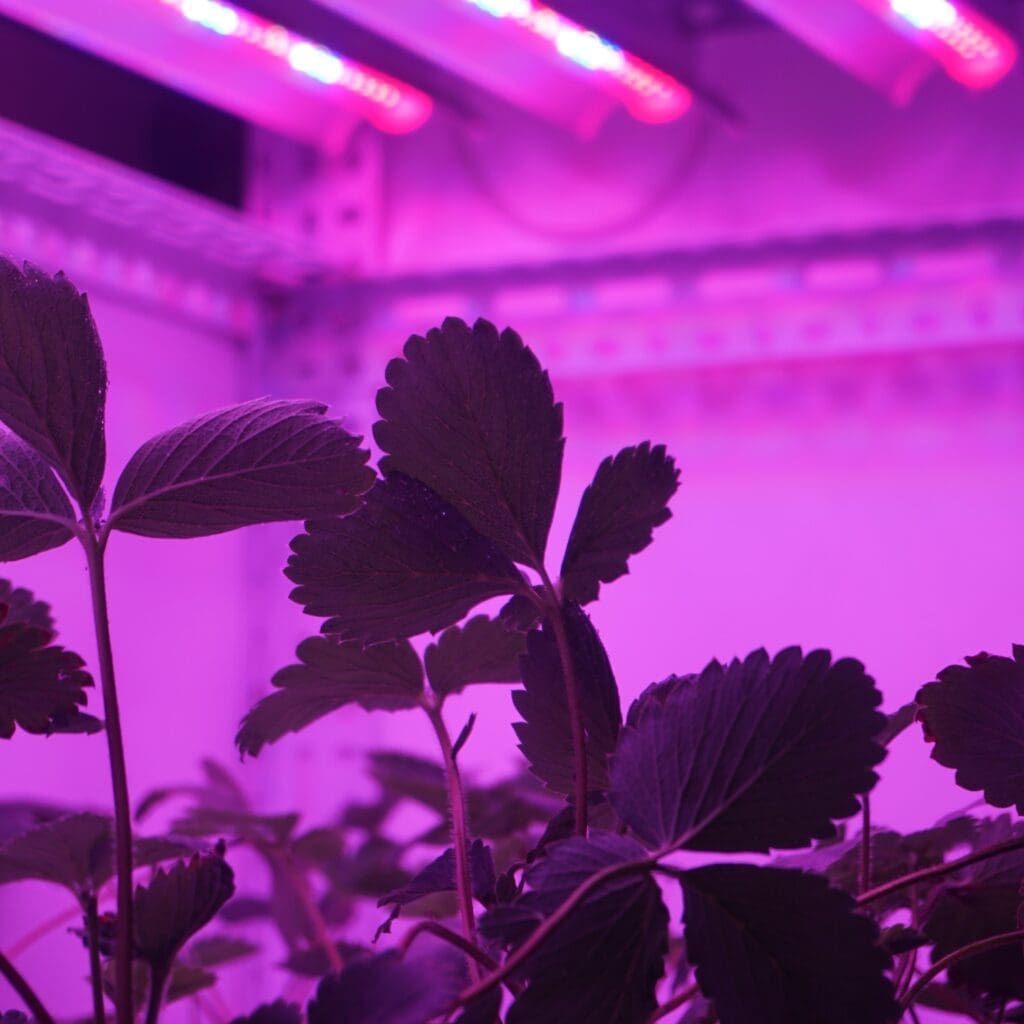
NASA’s Veggie Plant Growth System on the ISS utilizes a sophisticated blend of red, blue, and green LEDs to simulate sunlight, enabling plant growth in microgravity. This innovative approach not only supports sustainable food production in space but has also inspired companies like NutriHydro to adopt similar lighting technology for growing crops on Earth.

Lighting Up Growth in the ISS Veggie Plant Growth System Read More »

Chelated Iron in Nutrient Absorption

Hydroponics relies on nutrient-rich water solutions, with iron being essential for plant growth. However, maintaining iron availability can be challenging due to high pH levels and oxidation. Chelated iron forms stable, soluble complexes that plants easily absorb. NutriHydro’s Iron Chelate plus Trace Elements ensures consistent iron levels, enhancing nutrient absorption and preventing deficiencies. Simply add 2 mL per liter of water to the nutrient solution, mix thoroughly, and monitor pH and TDS levels for optimal plant health.

Chelated Iron in Nutrient Absorption Read More »

Rockwool in Hydroponics

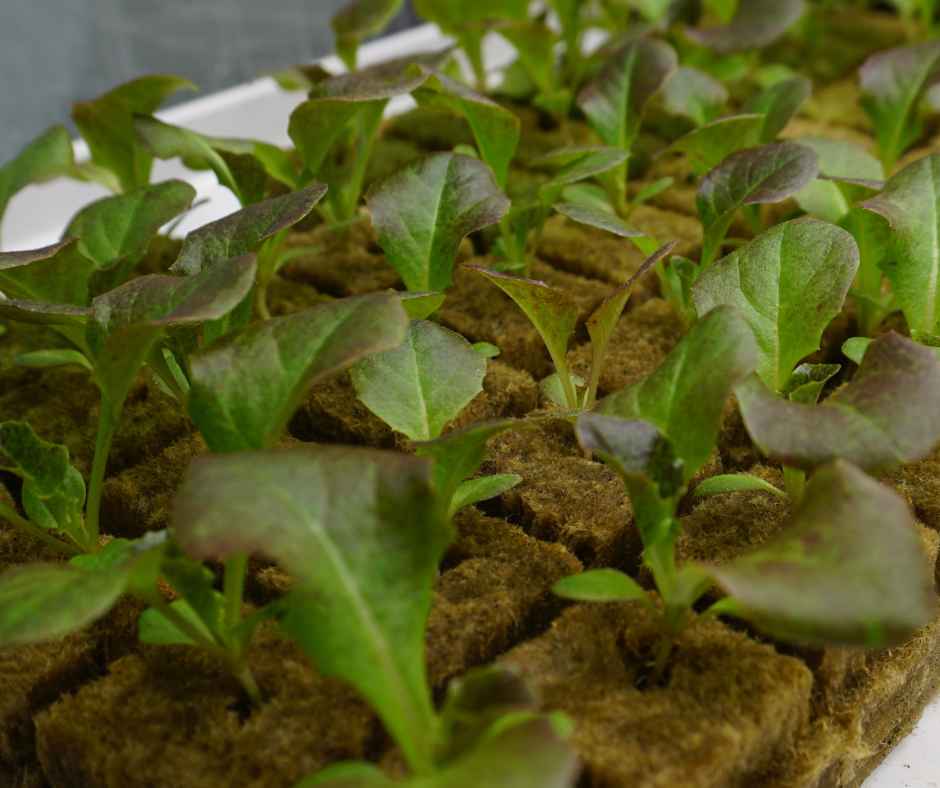
Rockwool, made from natural rocks and recycled slag, is used in hydroponic systems for its excellent water retention, consistent moisture supply, and superior aeration. These qualities promote healthy root development and disease prevention. Despite environmental and handling challenges, Rockwool’s benefits in hydroponics are significant. NutriHydro integrates Rockwool into their systems and offers it for purchase, making it an excellent choice for hydroponic cultivation.

Rockwool in Hydroponics Read More »

The Dual Nature of Algae in Hydroponics

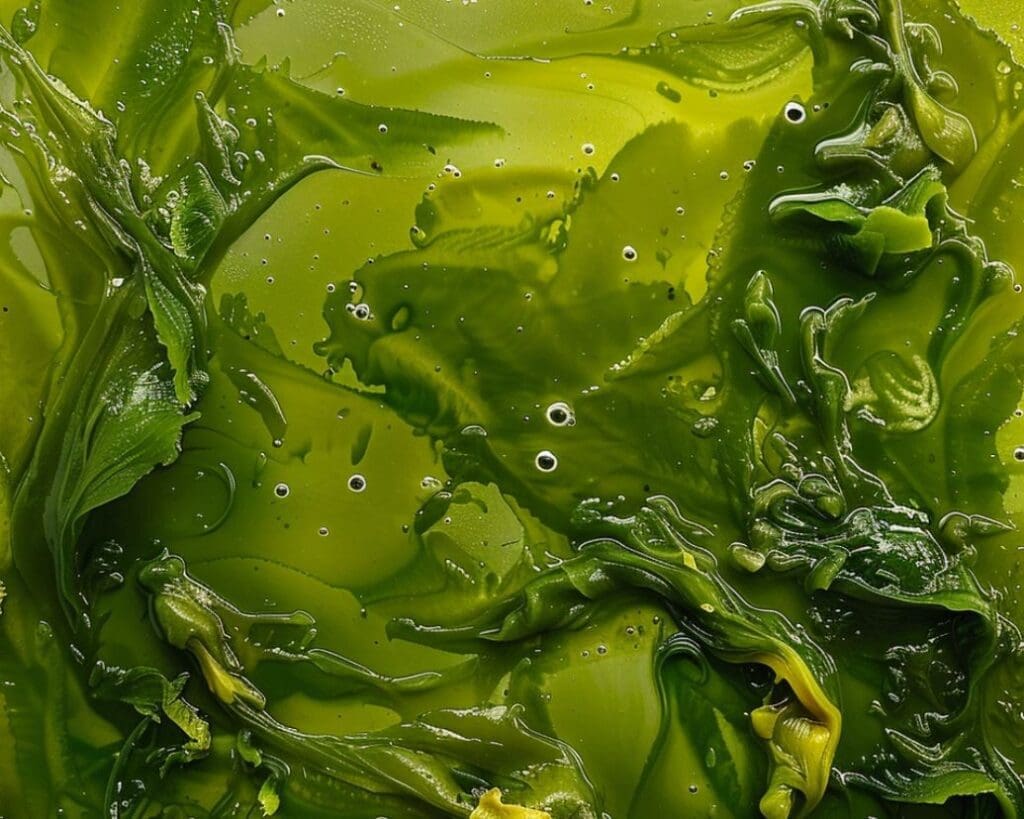
Algae are photosynthetic organisms found in aquatic environments, from freshwater to marine systems. They play a critical role in ecosystems, forming the base of the food web and producing oxygen through photosynthesis.

In hydroponics, algae can initially benefit systems by producing oxygen and controlling harmful microorganisms. However, their growth and decomposition can cause nutrient competition, clogging, oxygen depletion, and pH imbalances. Effective management, including light control, water quality maintenance, and hydrogen peroxide use, is crucial to maximize benefits and minimize negative impacts.

The Dual Nature of Algae in Hydroponics Read More »

A Beginner’s Guide to Growing Microgreens Indoors

Become an urban farmer with our easy-to-follow guide to growing microgreens indoors. This guide provides everything you need to start your own urban garden. Ideal for anyone eager to enhance their meals with home-grown, super nutritious microgreens, this article contains practical tips and essential steps to get you started with indoor gardening.

A Beginner’s Guide to Growing Microgreens Indoors Read More »

Understanding and Managing Lettuce Bolting for Quality Crop Production

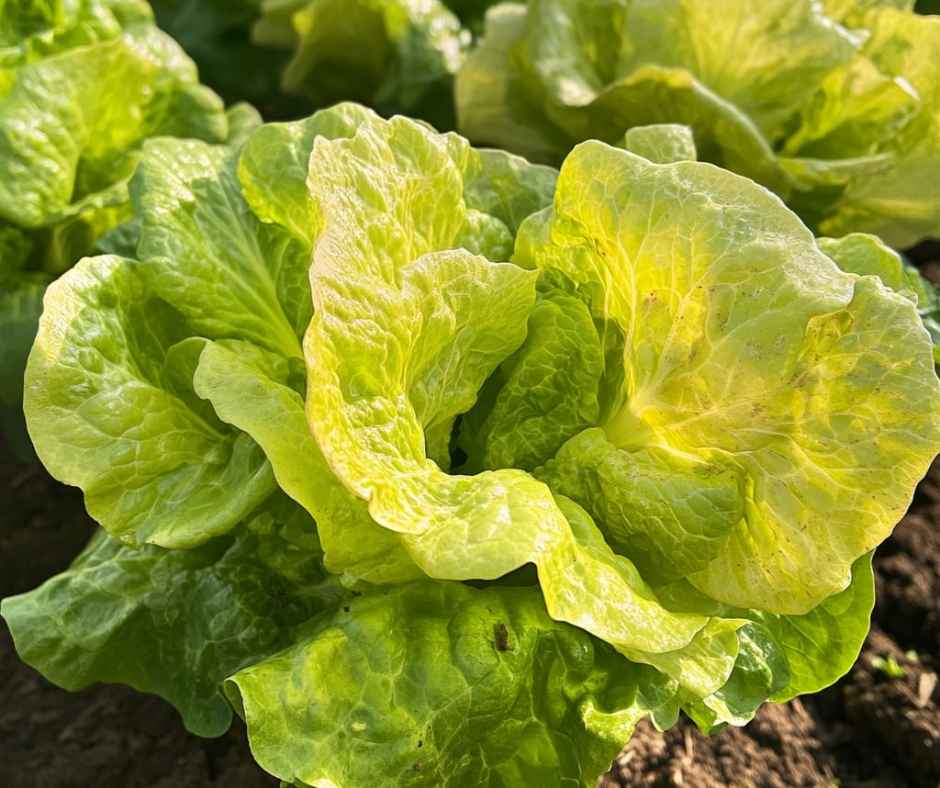
Bolting in lettuce, where the plant transitions from leaf production to flowering and seeding, is a natural reproductive phase but problematic for growers aiming for high-quality leafy greens. Understanding the factors that induce bolting and implementing preventive strategies are crucial for maintaining crop quality and extending the harvest period.

Understanding and Managing Lettuce Bolting for Quality Crop Production Read More »

Peppers: A Palette of Healthful Delights

Peppers, from the Capsicum genus, are renowned for their culinary versatility and significant health benefits. They contain capsaicin and other vital compounds like α-tocopherol and β-carotene, which enhance cardiovascular health, reduce inflammation, and lower the risk of chronic diseases like heart disease and cancer. Additionally, peppers support weight management and improve eye health through their robust antioxidant properties, making them an essential part of a healthy diet.

Peppers: A Palette of Healthful Delights Read More »

Scroll to Top