
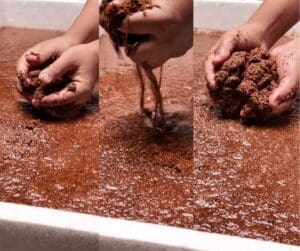
 “Masabaw ba ang cocopeat mo? Parang sopas na diluted?”. It’s a question that might sound oddly specific, but for hydroponic growers, it cuts straight to the heart of their most common failure point.
For aspiring hydroponic growers, the promise is tantalizing: fresh vegetables grown without soil, controlled environments, and year-round harvests. Yet an estimated 90% of beginners fail in their first attempt, not from lack of dedication, but from overlooking a critical step that seasoned growers consider non-negotiable.
The problem isn’t visible to the naked eye. It doesn’t announce itself with dramatic wilting or pest infestations. Instead, it manifests slowly: yellowing leaves despite adequate fertilization, mysterious tip burns on plant edges, and growth so sluggish it feels like watching paint dry.
The culprit? Improperly prepared cocopeat.
 The Salt Bomb in Your Growing Medium
Cocopeat, the fibrous material extracted from coconut husks, has become the darling of hydroponic enthusiasts. It’s sustainable, retains moisture well, and provides excellent aeration for roots. But straight from the supplier, it harbors a dangerous secret: it’s loaded with potassium and sodium salts. Raw cocopeat acts like an invisible wall. These salts block the flow of essential nutrients that your plants desperately need.
The phenomenon growers encounter is called nutrient lockout. The fertilizers are there, dissolved in the water, circulating through the system. But the plant roots simply cannot absorb them. Money invested in premium nutrient solutions goes to waste. Hours of careful monitoring yield nothing but frustration.
Understanding the Chemistry of Failure
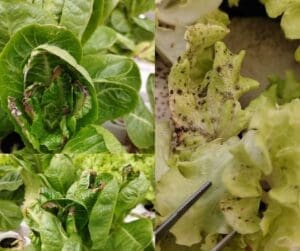 The technical explanation lies in something called Cation Exchange Capacity, or CEC. Think of cocopeat as having a limited number of parking spaces for positively charged ions. In raw cocopeat, those spaces are already occupied by potassium and sodium ions, each carrying a single positive charge.
When you add nutrients containing calcium, magnesium, and other essential elements, they arrive at a full parking lot. There’s no room. The plants can’t access what they need, regardless of how much fertilizer you pour into the system.
This is why beginners often make the mistake of adding more nutrients when they see symptoms of deficiency. They’re treating the symptom, not the cause. The real issue is accessibility.
The Buffering Solution
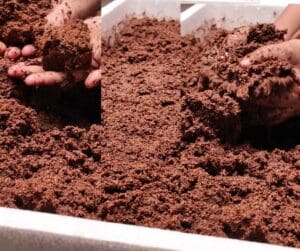 Professional growers know that cocopeat requires a process called buffering before it can serve as an effective growing medium. More than rinsing and soaking, buffering is a calculated exchange of ions designed to optimize the medium for plant nutrition.
Buffering involves displacing the problematic potassium and sodium with calcium and magnesium. But why these specific nutrients?
The answer lies in their chemical properties. Calcium and magnesium are divalent cations, meaning they carry two positive charges instead of one. This gives them stronger binding capacity to the cocopeat’s exchange sites. They can push out the monovalent potassium and sodium and hold their ground more effectively.
Precision is required. This is not about rough estimates or following your instinct. You need proper sanitation to eliminate pathogens, the right ratio of calcium to magnesium, applied at the right concentration, following the correct procedure.
Step 1: Buffering with NH CalMag
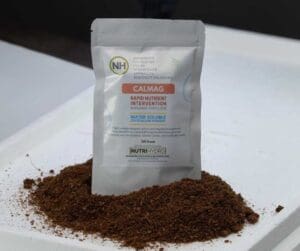 The first critical step in cocopeat preparation is precision buffering with NH CalMag. This fully water-soluble inorganic supplement delivers calcium and magnesium in highly available forms designed for rapid uptake and immediate plant response.
NH CalMag serves dual purposes in modern cultivation. First, it buffers cocopeat by saturating cation exchange sites with calcium and magnesium, effectively displacing excess potassium and sodium before planting begins. This creates a balanced, nutrient-ready substrate that supports optimal plant growth from day one. Second, it provides rapid deficiency correction when calcium and magnesium imbalances appear due to pH issues, high EC levels, or inadequate fertilization.
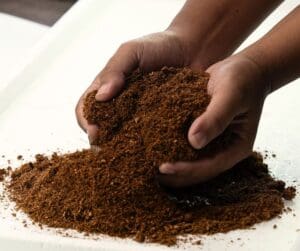 How to Buffer Cocopeat with NH CalMag:
The process is straightforward and follows proven professional protocols. Dilute 1 teaspoon of NH CalMag in every 5 liters of clean water. Soak the cocopeat in the solution for 24 hours to dislodge excess potassium and sodium. After soaking, drain or press out excess water before moving to the sanitation stage. Maintain a 1:1 ratio of water to cocopeat by volume, using 1 liter of solution per 1 liter of cocopeat.
Step 2: Sanitation with Hydrogen Peroxide
 After buffering, the cocopeat must be sanitized to eliminate pathogens and optimize growing conditions. This is where NutriHydro’s 12% Hydrogen Peroxide becomes essential to the preparation process.
While buffering addresses the chemical balance of the medium, raw cocopeat also harbors harmful pathogens, fungi, and bacteria that naturally accumulate in coconut husk fibers during processing and storage. NutriHydro’s food-grade hydrogen peroxide is an oxidizing and sanitizing solution specifically designed to sterilize growing media and prevent root diseases and algae growth before they can establish themselves in your system.
Beyond disinfection, hydrogen peroxide provides another critical benefit: oxygenation. As it breaks down in the cocopeat, it releases oxygen molecules that improve the medium’s structure and create beneficial aerobic conditions. This oxygenation prevents anaerobic pockets—dead zones where harmful bacteria thrive and oxygen-loving beneficial microbes cannot survive. These pockets can harbor disease and interfere with healthy root development, sabotaging your crop before it even begins.
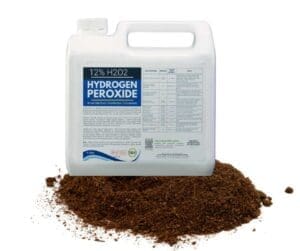 How to Sanitize Cocopeat with NutriHydro Hydrogen Peroxide:
After buffering and draining the NH CalMag solution, proceed with sanitation. For extra strength sterilization of cocopeat, dilute 84 mL of NutriHydro 12% Hydrogen Peroxide per 1 liter of water. Thoroughly soak the buffered cocopeat in the hydrogen peroxide solution, ensuring complete saturation. Allow it to soak for 24 hours to kill pathogens and release oxygen into the medium. After sanitation, drain the excess solution from the cocopeat—it’s now ready for planting.
This two-step preparation—buffering followed by sanitation—prevents weeks of frustration and ensures your crops have access to the nutrients they need without competition, imbalance, or disease pressure. The fully water-soluble formulation means no residue, no clogging, and no waste, making it compatible with hydroponics, soil, and various growing systems including Kratky, NFT, and DWC.
Professional growers understand that proper cocopeat preparation is about creating a nutrient-balanced, oxygen-rich, clean environment where plants can thrive from day one.
The Transformation

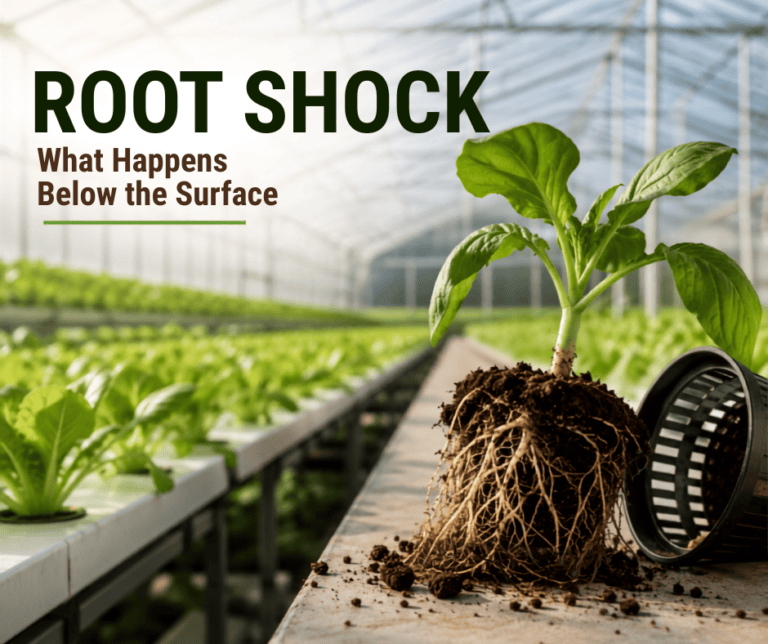
When cocopeat is properly buffered, the difference is dramatic. Root systems develop magnificently, with white, healthy growth instead of stunted, discolored formations. Tip burn—those telltale brown edges on leaves—disappears. Growth rates accelerate noticeably. Most importantly, yields become both higher and more consistent from harvest to harvest.
The contrast between buffered and unbuffered cocopeat isn’t subtle. It’s the difference between a struggling plant barely surviving and a thriving crop reaching its genetic potential. Beyond these visible improvements, properly buffered cocopeat transforms the entire growing experience—fewer deficiency issues, reduced crop losses, and predictable results that let you fine-tune your feeding schedules with confidence, ultimately producing premium-quality crops that command better market prices.
Precision Over Guesswork
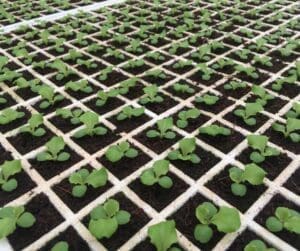 The farming methods of previous generations relied heavily on experience and intuition. Modern hydroponic growing, particularly in urban settings where space and resources are limited, demands a more scientific approach.
Precision agriculture means you don’t rely on guesswork. You can’t eyeball your way to success. Every measurement matters. Every ratio has a purpose.
This is particularly true in the Philippines, where the push toward urban farming and food security has prompted many city dwellers to try their hand at hydroponic cultivation. The tropical climate offers advantages, but it also means mistakes compound quickly in the heat and humidity.
Beyond the Basics
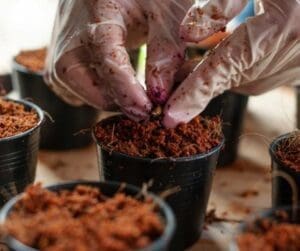 Proper cocopeat preparation is just one piece of the hydroponics puzzle, but it’s foundational. Without a stable, balanced growing medium, even the most sophisticated nutrient programs and environmental controls cannot deliver optimal results.
The investment in doing it right—whether in terms of time, proper buffering agents, or education—pays dividends throughout the entire growing cycle. Plants establish faster, resist stress better, and produce more abundantly.
For the growing community of hydroponic enthusiasts all around the world, the message is clear: shortcuts at the preparation stage guarantee problems downstream. The medium you grow in, shapes everything that follows.
Why Precision Matters
 As the local hydroponic movement matures, there’s an increasing recognition that success requires moving beyond trial and error toward systematic, science-based approaches. This means understanding not just what to do, but why each step matters. The chemistry might seem complex at first—cation exchange capacity, divalent versus monovalent ions, nutrient mobility—but these concepts translate directly into practical outcomes: healthy plants or struggling ones, abundant harvests or disappointing yields.
For those serious about making hydroponics work, whether as a hobby or a business venture, the lesson is straightforward. Don’t dilute your chances of success with improperly prepared growing mediums. Take the time to buffer correctly. Measure precisely. Understand the process.
The difference between those who succeed in hydroponics and those who give up in frustration often comes down to respecting these fundamental principles. The plants can’t adapt to poor conditions, but growers can adapt their methods to create optimal ones.
Remember, your plants will never tell you what went wrong with your cocopeat buffering—but your results will.