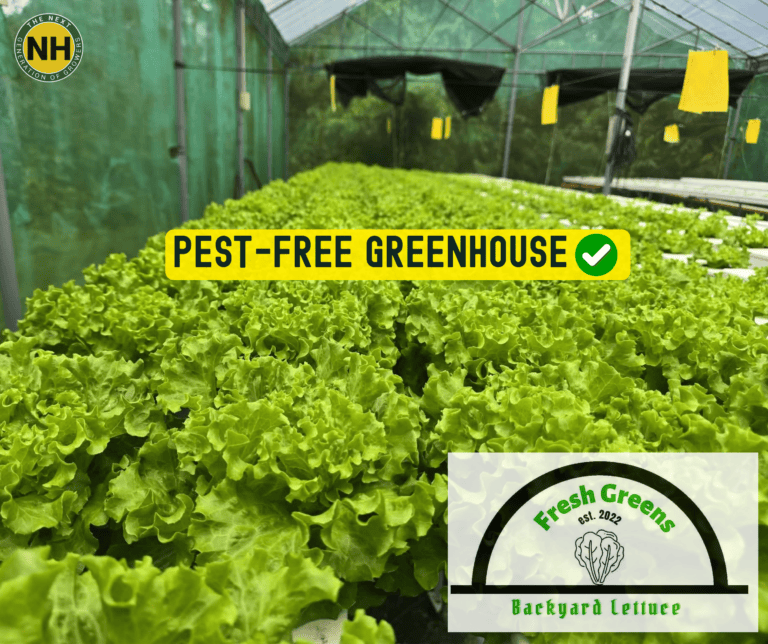

 “From farm to table” – this is the mantra of Palm Beach Resort. Kitchen staff don’t wait for deliveries. When they need fresh lettuce for a guest’s salad, they simply walk outside. Twenty meters later, they’re standing in a greenhouse, harvesting greens that will be on a plate within minutes. This is farm-to-table at its purest—and it almost didn’t survive, setting the team on a journey to uncover what went wrong.
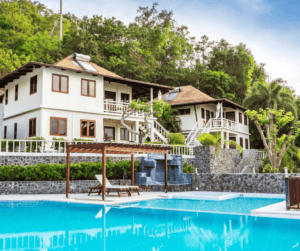
In the heart of Laiya, Batangas, where the ocean meets innovation, a beachside resort is proving that sustainability and hospitality can flourish side by side. Nestled along the coastline of Batangas, Palm Beach Resort spans an impressive 14 hectares, with four hectares currently developed into a thriving hospitality destination. But what sets this resort apart from countless other beach getaways isn’t just its pristine shores or sports facilities. It’s the greenhouse that sits steps away from the kitchen, where fresh lettuce travels mere meters from harvest to plate, embodying the truest definition of farm-to-table dining.
When guests ask where the crisp greens in their salads come from, the staff doesn’t point to a supplier or a distant farm. They gesture toward a structure built during the height of the pandemic lockdowns in 2021, when materials were scarce and prices were high. Led by managing head Ramil Mendoza and operations associate Rica De La Torre, the resort took a leap of faith into hydroponics, driven by a vision of self-sustainability and a passion for providing guests with an authentic farm-fresh experience.
Building Dreams During a Pandemic
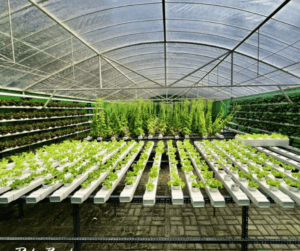 The decision to construct a greenhouse during 2021 might have seemed ambitious, even reckless, to some. The pandemic had brought the world to a standstill, supply chains were disrupted, and the cost of construction materials had soared. Yet the owners of Palm Beach Resort saw an opportunity. They needed something to attract guests once the world reopened, something that would set them apart in an increasingly competitive hospitality market.
The greenhouse they built became more than just a structure for growing vegetables. It became a statement of resilience and forward-thinking. Ramil, an architect by training, brought his expertise in design and construction to the project, ensuring that every detail was carefully planned. The result was a professionally constructed facility with concrete flooring, proper framing, and double-screen protection against pests. What started as an experiment in self-sufficiency evolved into one of the resort’s most compelling attractions, drawing VIP guests who are as curious about the cultivation process as they are about the cuisine.
The Challenge of Perfection
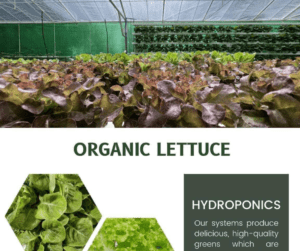
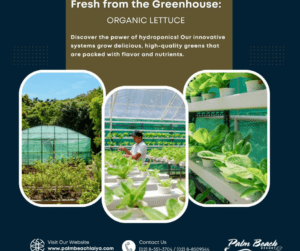 Success, however, brought its own set of challenges. In the beginning, the greenhouse produced spectacular results. The lettuce heads grew large and abundant, so plentiful that the resort even sold excess produce to guests. The roots were thin, dense, and hair-like, indicators of healthy plants thriving in optimal conditions. Kitchen staff would simply walk over when they needed fresh greens, harvesting what they needed moments before preparation.
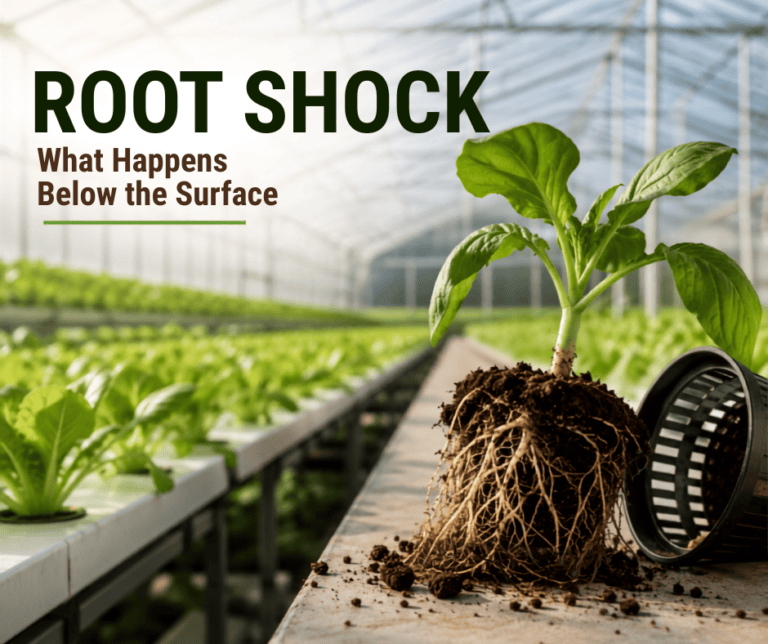
But as time passed, something changed. The lettuce that once grew with vigor began to struggle. The heads became smaller, the roots thickened and shortened, and the overall yield declined. White flies, attracted by the fruit-bearing plants they had initially grown alongside the lettuce, became a persistent problem. The team tried various solutions, switching between different growing methods and nutrient formulas, but couldn’t quite recapture that initial magic. They removed the tomatoes, eggplants, and okra that seemed to attract pests, focusing solely on leafy greens. Still, the problem persisted.
The Science Behind the Struggle
 When NutriHydro’s Chris visited the greenhouse, he quickly identified the underlying issues. The problem wasn’t with the team’s dedication or methods, but with something invisible to the naked eye: dissolved oxygen levels in the water. The thick, shortened roots were telling a story of survival. When oxygen levels in hydroponic water drop, plants adapt by creating air pockets in their roots to store oxygen transported down from their leaves. It’s a remarkable survival mechanism, but it comes at the cost of growth and productivity.
The culprit was likely a combination of factors. Pathogens had found their way into the system over time, a natural occurrence in any growing operation, especially one open to visitors and surrounded by lush tropical vegetation. These microorganisms competed with the plants for oxygen, depleting the dissolved oxygen levels that are crucial for healthy root development and nutrient uptake. The water temperature, slightly elevated due to the tropical climate, further reduced the water’s oxygen-carrying capacity.
Solutions and Future Growth
 The path forward became clear through the consultation. Recirculating the water would be key to increasing dissolved oxygen levels, as would improving air movement within the greenhouse. The team already had an industrial fan and a misting system, tools they could deploy more strategically. The suggestion to return to some aspects of the Kratky method using sealed containers, like the tuna boxes they had experimented with early on, offered another avenue for improvement. These sealed systems prevent pathogen intrusion and maintain stable growing conditions.
The conversation also opened doors to new possibilities. Hydroponic towers, which can grow 52 lettuce heads in the vertical space of just a few flatbed plants, could dramatically increase productivity while saving valuable greenhouse space. The resort’s contracting expertise positions them perfectly to design and build their own system, adapting commercial concepts to their specific needs and budget. Combined with biological pest control methods and improved nutrient management, these changes could restore the greenhouse to its former glory and beyond.
More Than Just a Resort
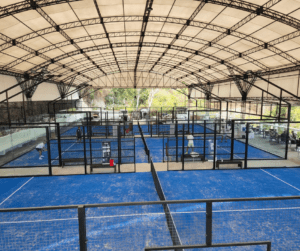 Palm Beach Resort represents something larger than its 29 cabanas, multipurpose halls, and sports facilities. It embodies a vision of hospitality that extends beyond comfortable accommodations and beautiful views. The resort offers paddle courts, pickleball, volleyball, basketball, a pool, and even snorkeling along its rocky shoreline. Yet among all these amenities, the greenhouse remains a point of pride, a destination that VIP guests specifically request to visit.
The farm-to-table experience here isn’t marketing rhetoric. Kitchen staff literally walk to the greenhouse to harvest what they need, sometimes just minutes before a dish is prepared. Guests notice the difference immediately. They ask questions, express genuine curiosity, and leave with a deeper appreciation for where their food comes from. In an era where authenticity is increasingly valued, Palm Beach Resort offers something rare: a transparent, traceable connection between cultivation and consumption.
The Journey Continues
 As Ramil and Rica continue to refine their approach, their commitment to improvement remains unwavering. They regularly consult with suppliers, research new methods, and aren’t afraid to admit when they need help. Their humility, combined with their technical expertise and willingness to experiment, positions them for continued success. The remaining 10 hectares of undeveloped land holds promise for future expansion, with agriculture likely playing a significant role in whatever comes next.
The story of Palm Beach Resort’s greenhouse is ultimately a story about persistence, adaptation, and the willingness to learn. It’s about building something meaningful during uncertain times and refusing to give up when challenges arise. For other hospitality businesses considering similar ventures, the message is clear: sustainable, local food production isn’t just environmentally responsible or economically sensible. It’s a compelling story that resonates with modern travelers, a tangible demonstration of values that transforms guests into advocates. In Batangas, where the ocean breeze carries the scent of salt and fresh herbs, one resort is proving that the future of hospitality might just be growing in a greenhouse.