Nutrient-Dense Crops for Better Health

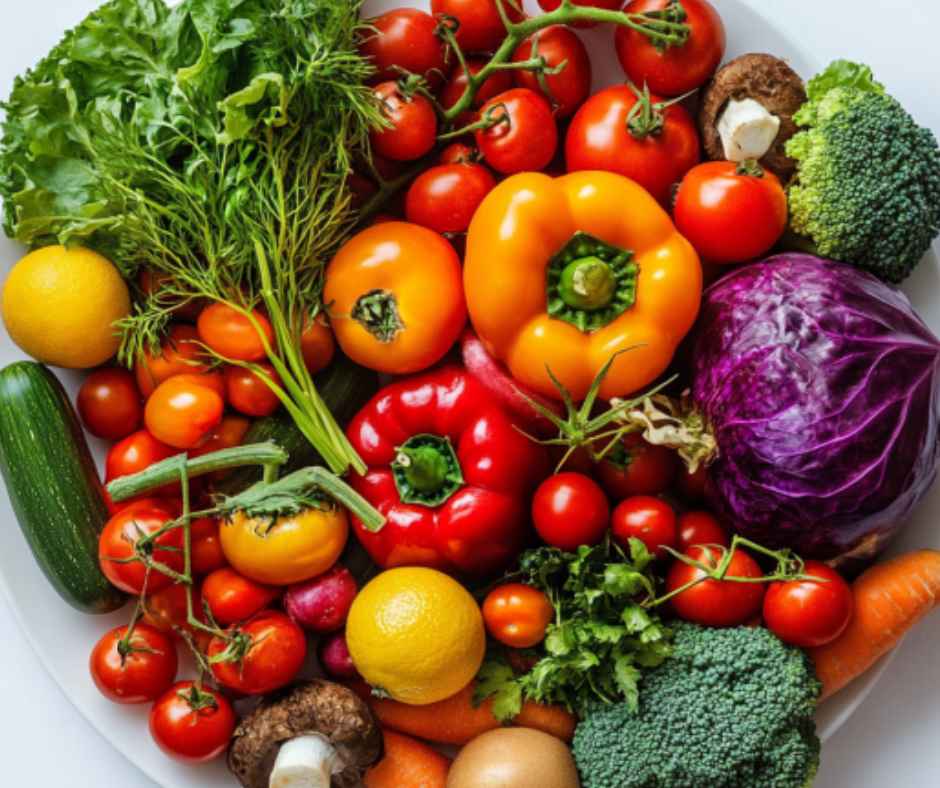
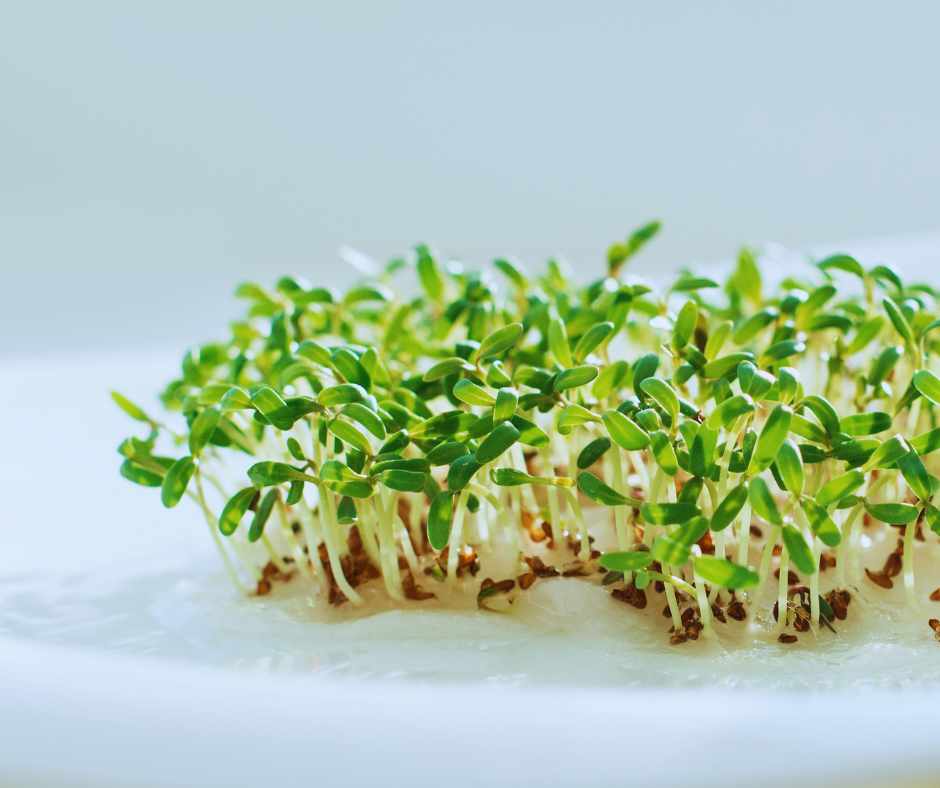
Efficient planting methods play a key role in reducing malnutrition, especially in low-income areas where access to diverse, nutrient-rich foods is limited. Practices like crop rotation, intercropping, and biofortification help produce essential vitamins and minerals that improve overall health. Nutrient-rich plants also strengthen immunity by providing antioxidants and reducing exposure to harmful chemicals found in conventional farming. By adopting sustainable farming practices, farmers can grow cleaner, healthier crops that benefit both people and the environment. Governments, organizations, and individuals must work together to promote these methods and educate communities on the importance of clean eating to fight malnutrition and improve public health globally.

Nutrient-Dense Crops for Better Health Read More »
Preventing Lifestyle Diseases

Lifestyle diseases like diabetes, hypertension, and obesity are growing global health concerns, often caused by poor dietary choices and inactive lifestyles. Research shows that switching to a diet rich in organic, chemical-free foods can significantly reduce the risk of these chronic conditions. Organic products are grown without synthetic pesticides and fertilizers, providing more antioxidants, essential vitamins, and minerals that help combat inflammation, regulate blood sugar levels, and improve heart health. By promoting clean eating, we can reduce disease risks and pave the way for a healthier, more sustainable future.

Preventing Lifestyle Diseases Read More »

Mitigating Pesticide Residue Risks

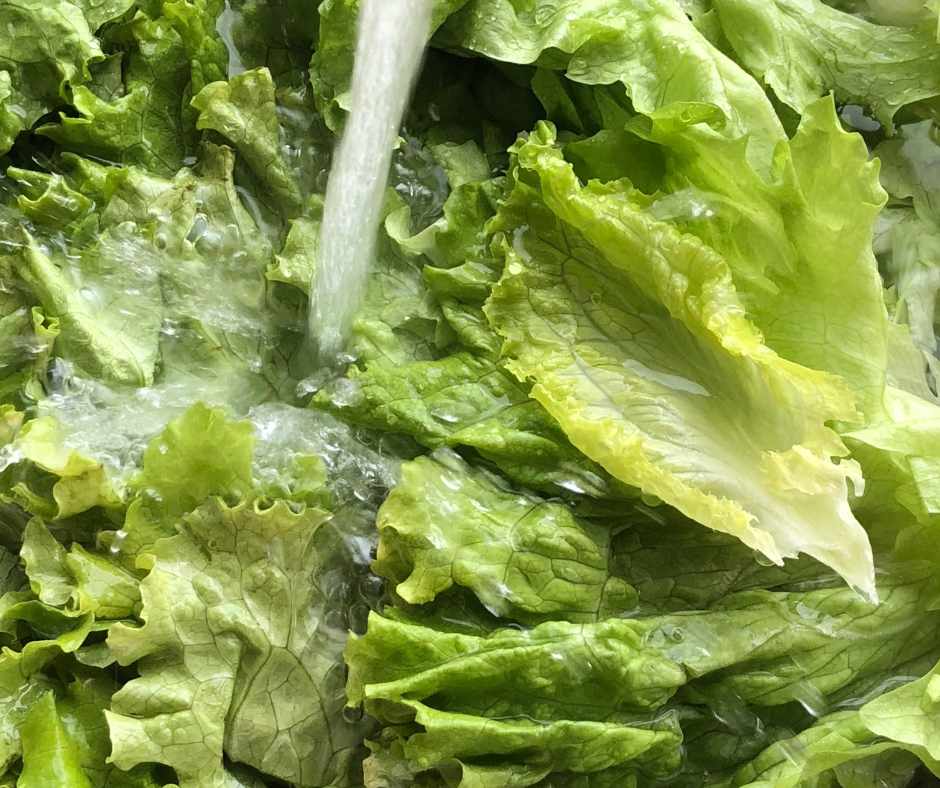
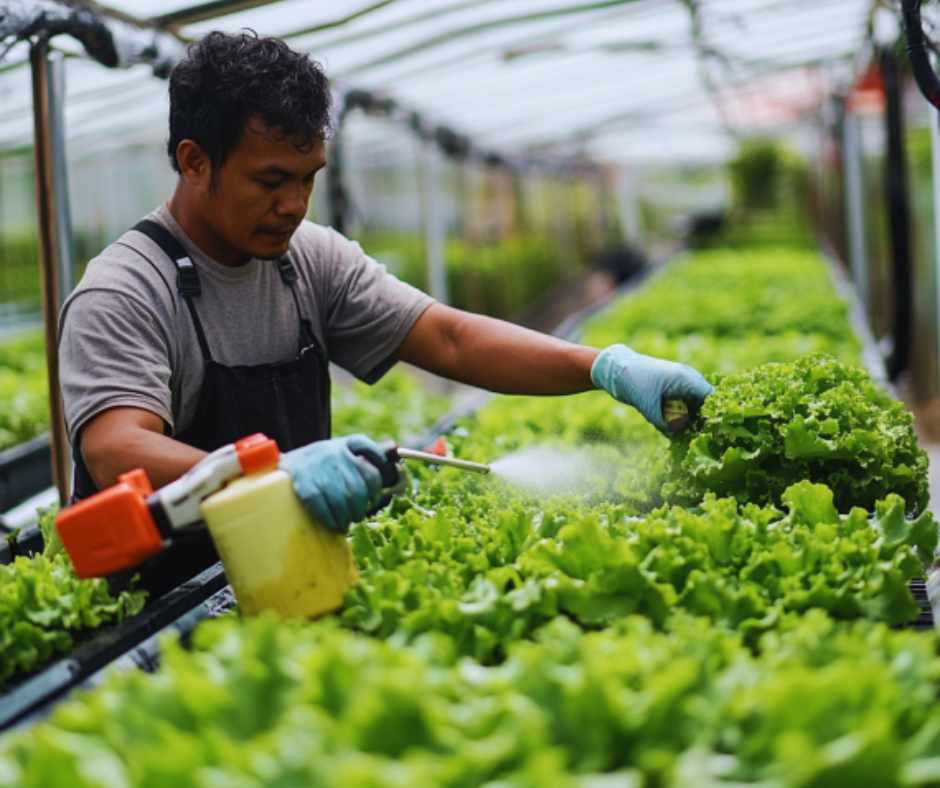
Mitigating the risks posed by pesticide residues in food involves a multi-faceted approach that includes government policies, industry practices, and consumer awareness. Strict regulations and regular testing of food for pesticide residues are essential to ensure compliance and public safety. Promoting organic farming and Integrated Pest Management (IPM) can significantly reduce reliance on chemical pesticides by encouraging sustainable practices like biological controls and crop rotation. NutriHydro takes proactive steps by eliminating synthetic pesticides and adopting natural biocontrol solutions such as Subamo and Bebass. This approach protects both the environment and community health, providing safe, pesticide-free produce while advancing sustainable farming practices that minimize ecological and health risks.

Mitigating Pesticide Residue Risks Read More »

Health Issues from Pesticide Residues

Pesticide residues pose serious health risks, including cancer, hormonal imbalances, and neurological disorders. Prolonged exposure to chemicals like glyphosate and organophosphates has been linked to Parkinson’s disease, infertility, and weakened immunity. NutriHydro addresses these risks by using natural biocontrol solutions like Subamo and Bebass, ensuring safer, chemical-free produce for consumers.

Health Issues from Pesticide Residues Read More »

Food Loss and Waste

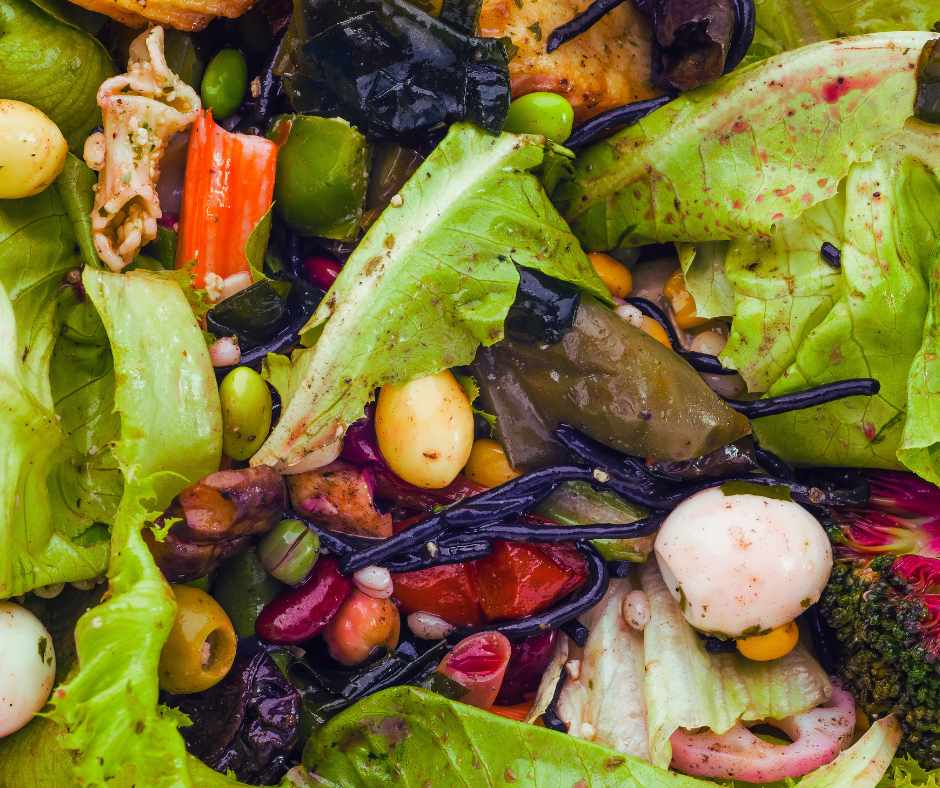
Food loss and waste (FLW) are major issues in the Philippines, affecting food security, the economy, and the environment. Losses occur across the food supply chain due to inadequate post-harvest practices, poor logistics, and household waste. Solutions include improving storage, enhancing logistics, and promoting policies like the Food Waste Reduction Act. Community programs such as food banks and composting further help reduce waste while addressing hunger and promoting sustainability.

Food Loss and Waste Read More »

Temperature Management in Growing Lettuces

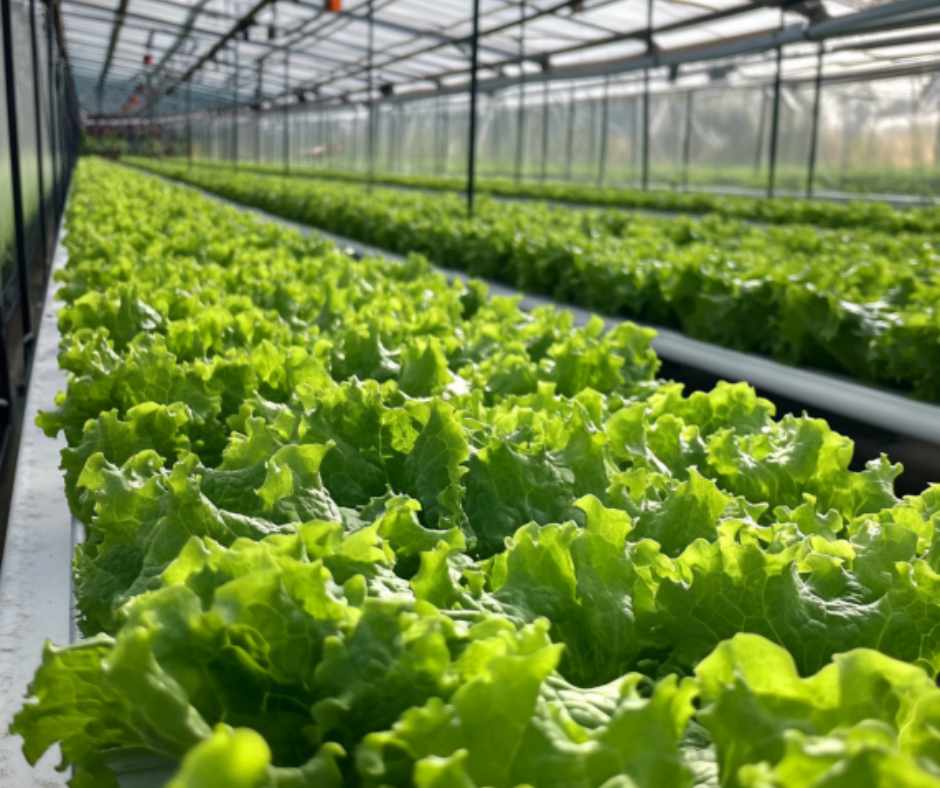
Lettuce (Lactuca sativa) thrives in hydroponic systems at 18°C to 22°C (64°F to 72°F), with cooler temperatures promoting growth and crisp leaves. High temperatures above 25°C can cause bolting, bitterness, and pale leaves, reducing quality. Effective solutions like cooling systems and automated controls help maintain optimal growing conditions for healthier crops.

Temperature Management in Growing Lettuces Read More »

F1 Seeds in Agriculture

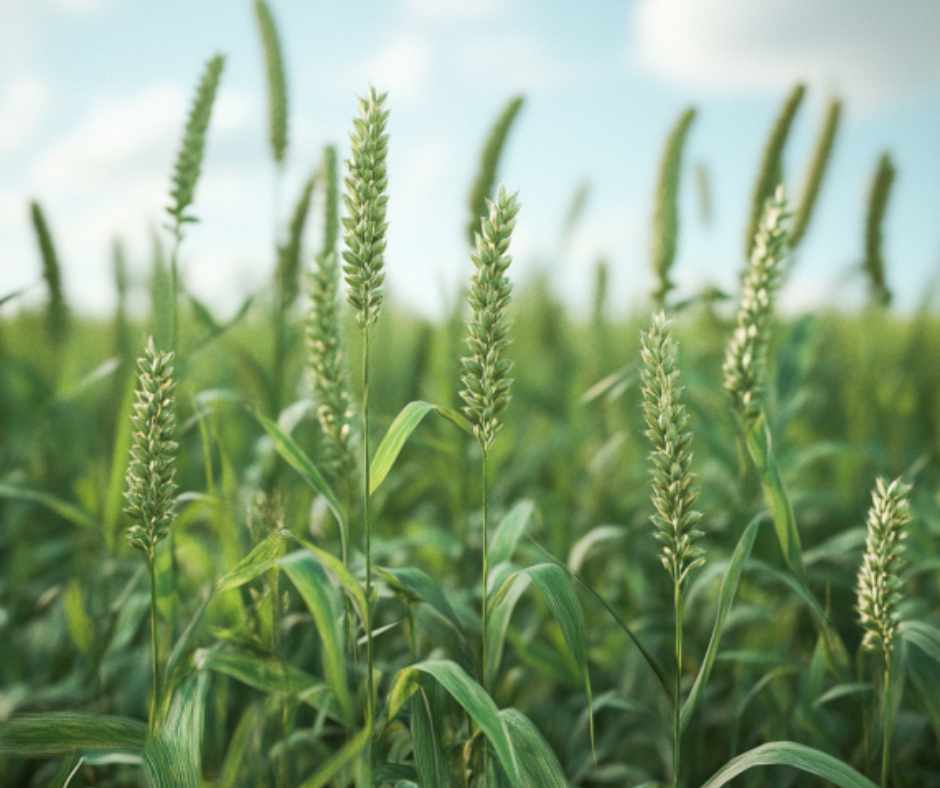
F1 seeds have revolutionized modern agriculture by combining traits from genetically distinct parent plants. These hybrid seeds offer superior yields, disease resistance, and environmental adaptability, making them a cornerstone of sustainable farming. With advancements in breeding techniques, F1 seeds are paving the way for enhanced food security and agricultural innovation.

F1 Seeds in Agriculture Read More »

Plant Growth Regulators (PGRs)

Plant Growth Regulators (PGRs) are reshaping modern agriculture by influencing growth, stress tolerance, and yield optimization. These compounds, ranging from auxins to ethylene, enable targeted interventions for improved crop productivity and sustainability. With advancements in precision delivery systems, PGRs are set to revolutionize global farming practices.

Plant Growth Regulators (PGRs) Read More »

Grow Lights Metrics

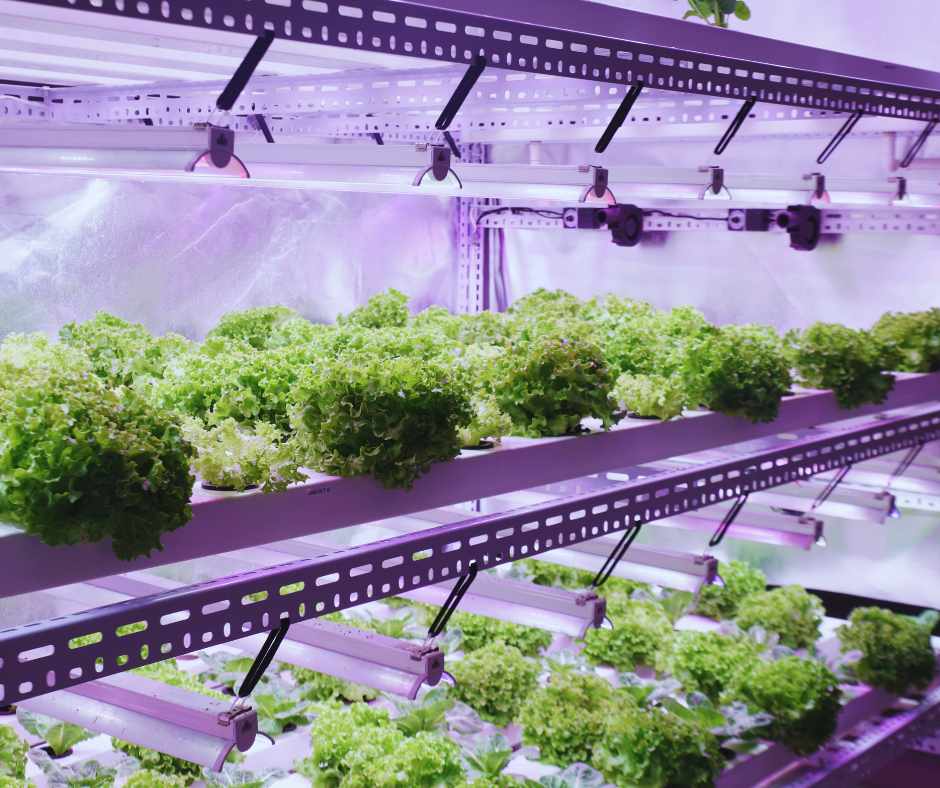
Light plays a vital role in indoor hydroponics, driving photosynthesis and supporting plant health. Key metrics like PAR (Photosynthetically Active Radiation), PPFD (Photosynthetic Photon Flux Density), and DLI (Daily Light Integral) help growers tailor lighting for each growth stage. Understanding these metrics enables precise control, reduces resource waste, and boosts crop productivity in controlled environments.

Grow Lights Metrics Read More »

Mistakes to Avoid When Using Grow Lights

Grow lights are crucial for hydroponic systems, but their improper use can undermine plant health and productivity. Key mistakes include selecting the wrong light spectrum—blue light (400–500 nm) for strong growth and red light (600–700 nm) for flowering—and neglecting proper light intensity, which can cause weak plants or leaf burns. Mismanaging photoperiods and light cycles disrupts growth, while poor heat management from lights like HPS or LEDs can stress plants. Uneven light distribution and inadequate maintenance further reduce efficiency. Monitoring Daily Light Integral (DLI), choosing suitable LED lights, and observing plant feedback can significantly improve results. By addressing these issues, growers can maximize yields, conserve energy, and create thriving hydroponic environments.

Mistakes to Avoid When Using Grow Lights Read More »

Scroll to Top