A Young Professional’s Leap into Agriculture

A farm visit to CLA Farm in Rizal, Laguna reveals the ambitious journey of Clarence, a young electrical engineer who traded circuit boards for cultivation beds.

“As an engineer, it’s technical, there’s data. I went to hydroponics. It’s more of a controlled environment. When you make mistakes, you’ll know why.”
— Clarence, 27, Founder of CLA Farm

The greenhouse stands tall in Rizal, Laguna—elevated, expansive, and engineered with precision. Inside, 7,000 plant sites await their first crop, organized in neat NFT channels and innovative “Christmas tree” vertical systems. This is CLA Farm, the ambitious venture of Clarence, a 27-year-old electrical engineer who’s betting big on hydroponic agriculture.

From Gaming to Growing
By day, Clarence works in game marketing for a BGC company. His favorite game? Valorant. But his real passion project unfolds in this 150-square-meter greenhouse, where his engineering mindset meets agricultural innovation. When asked what drew him to farming, Clarence reflects on his career journey from electrical engineering to business. His initial foray into traditional agriculture—growing peppers and string beans—left him frustrated with uncontrollable variables. As someone who thrived on technical data and precision, he needed something different.
That’s when he discovered hydroponics. The controlled environment appealed to his analytical nature, offering the kind of measurable outcomes he craved. When you make mistakes in hydroponics, you can trace them back to specific causes. For an engineer accustomed to troubleshooting circuits and systems, this was the perfect marriage of agriculture and technology. The curiosity that made him tinker with gadgets now found expression in pH levels, nutrient solutions, and climate control systems.

Starting Small, Thinking Big
Clarence’s hydroponic journey began modestly with a small square greenhouse featuring around 350 plant sites—a combination of NFT pipes in the center and Kratky method styrofoam boxes around the perimeter. This wasn’t a commercial operation but essentially a research laboratory where he could experiment freely. Each week brought new parameters to test, new variables to adjust, new data to analyze. The setup was decidedly DIY, complete with aquarium pumps and homemade solutions to various challenges. Heat was a constant problem. Leafminers appeared, leaving telltale lines on the leaves—Clarence simply pinched them off.
Despite the amateur setup and experimental nature of the operation, something unexpected happened: demand found him before he was ready for it. A samgyupsal restaurant approached him wanting to purchase lettuce—30 to 40 heads daily. Even in his data collection phase, the market was hungry for fresh, locally-grown hydroponic produce. But Clarence could only supply about ten percent of their requirements, maybe once a week from his small farm. The client eventually moved to a supplier who could meet their full demand.

Don Fernando Algozo, the experienced greenhouse builder who would later partner with Clarence, frames this early setback differently. In most businesses, the problem is lack of customers and declining sales. Clarence had the opposite problem—too much demand and insufficient capacity. This “good problem” planted the seed for what would eventually become CLA Farm. The market was there, waiting. He just needed to scale up to meet it.

Building the Dream
The decision to build a proper commercial greenhouse didn’t come lightly. Clarence saved up while continuing his day job in game marketing, carefully planning every aspect of the new facility. He partnered with Alfrea Greenhouse Systems, led by Don Fernando Algozo, whose three years of growing experience provided valuable insights. Together, they designed a greenhouse that incorporated lessons from multiple farms and addressed the shortcomings of Clarence’s first attempt.
The 150-square-meter structure reflects careful engineering throughout. The height is immediately noticeable—significantly taller than many commercial greenhouses. The elevation improves humidity management and airflow, critical factors in Laguna’s climate, while also allowing workers to walk underneath the elevated growing tables to access the other side. For maintenance and harvesting, this seemingly small detail saves countless hours. The site itself presented challenges, as the lot had a natural slope that required substantial backfilling to create a level growing area.

In a stroke of fortunate timing, Clarence learned that a friend’s property was being developed into an Alfamart convenience store, generating excess soil that needed removal. Instead of paying for dump trucks and purchased fill material, Clarence arranged to take the soil for free and transported it himself using a closed van from his family’s poultry operation. It was tedious, backbreaking work, but the cost savings were substantial. The backfilled foundation now elevates the greenhouse, preventing water accumulation and ensuring excellent drainage even during heavy rains.

Engineering Excellence in Every Detail
Walk through CLA Farm and the engineering touches become apparent everywhere you look. The NFT channels feature removable lids for easy cleaning, but with a critical specification that most growers might overlook. Each lid is paired to its specific channel because the manufacturing cuts in China vary slightly between pieces. Mixing them up could create gaps where the sections connect, potentially causing leaks or flow problems. The channels themselves maintain a precise one-inch elevation difference from end to end, creating a gradual slope that keeps water flowing without excessive pressure. Too steep, and the rushing water would carry plant roots along with it, destabilizing the crops. Too flat, and water wouldn’t reach all plants evenly.

Climate control relies on a sophisticated yet simple system. Six circulating fans positioned throughout the greenhouse work in zones, each controlled independently based on readings from multiple hygrometers. The fans don’t run continuously but operate in short bursts of approximately three minutes, just long enough to stabilize temperature in their designated area. The roof design incorporates wide mesh openings that allow hot air to escape rapidly while keeping insects out. Combined with intake fans at one end and exhaust fans at the other, this creates effective air circulation that prevents heat buildup—one of the biggest challenges in tropical greenhouse farming.

At the heart of the system sits a 4,500-liter reservoir that holds the nutrient solution. This substantial volume isn’t just about capacity—larger water volumes maintain more stable temperatures and dissolved oxygen levels, creating a more forgiving system that won’t crash if something goes wrong for a few hours. A Fresh and Grow unit will be installed to remove chlorine from the municipal water supply while simultaneously cooling the water and increasing dissolved oxygen levels through agitation. The Christmas tree vertical systems add another dimension, literally. These A-frame structures maximize space utilization, potentially adding 3,000 more plant sites to the 4,000 on the horizontal tables. Every element of the design serves multiple purposes—the elevation that aids drainage also improves working conditions; the height that enhances airflow also simplifies maintenance.

The Investment Reality
When asked about costs, there’s a moment of hesitation before Clarence confirms the number: over one million pesos. This figure represents materials only, with no markup for labor or profit to the builder. Don Fernando explains that Clarence provided funds progressively as construction advanced, paying only for actual materials purchased and installed. This transparency between builder and client established trust that carried through the months-long construction process.
Breaking down that investment reveals where the money goes in a serious commercial hydroponic operation. The greenhouse structure itself—frame, covering, foundation—represents a significant portion. Then come the NFT channels and all their precisely manufactured components, imported from China and designed for durability and performance. The reservoir, plumbing, pumps, filters, and water treatment systems add more. Climate control equipment including fans, hygrometers, and electrical systems contribute their share. Even small items like connectors, adhesives, and fasteners accumulate quickly when you’re building at this scale.

The backfill work, had Clarence paid market rates for soil and delivery, could have added tens of thousands more to the total. His resourcefulness in securing free material and providing his own transport labor kept this cost off the books. Similarly, by working with Don Fernando on a materials-only basis rather than a turnkey contract, he avoided markup costs that would have pushed the project well beyond the million-peso threshold. For aspiring growers, these numbers provide crucial context for business planning and capital requirements.

The Market Challenge Ahead
Production capacity means nothing without markets to absorb it. Don Fernando speaks from experience about the harsh realities of selling hydroponic produce. In his three years of growing, he’s encountered buyers who take lettuce and never pay, or who pay but only after aggressive haggling that slashes margins to unsustainable levels. Premium quality doesn’t always command premium prices when buyers can find cheaper alternatives, even if the quality doesn’t compare.

Their strategy aims for 30 pesos per cup for premium quality lettuce. This price point reflects the true costs of producing high-quality hydroponic vegetables in a state-of-the-art facility. It accounts for the capital investment that must be recovered, the ongoing operational expenses for electricity and nutrients, the labor for cultivation and harvesting, and the inevitable losses and learning curves that any agricultural operation faces. Going lower risks making the entire venture economically unviable, turning a promising business into an expensive hobby.
The challenge is finding buyers who understand and appreciate the value proposition. Hydroponic lettuce offers advantages: consistent quality, year-round availability, reduced pesticide use, and often superior taste and texture compared to field-grown alternatives. Restaurants, hotels, and upscale grocers typically recognize these benefits and accept appropriate pricing. The mass market can be tougher, more price-sensitive, and quicker to substitute cheaper options. Clarence will need to navigate these market dynamics while maintaining volume sufficient to justify his seven-thousand-plant capacity.

Wisdom Beyond Years
At 27, Clarence displays a maturity and business sense that belies his youth. When discussing his peers who spend their time partying and pursuing luxuries, there’s no judgment in his voice—just an acknowledgment that he’s chosen a different path. The greenhouse represents delayed gratification on a massive scale: money saved instead of spent, weekends working instead of relaxing, risks taken when safer options existed. Clarence continues his marketing job even as CLA Farm takes shape because he understands that businesses require ongoing investment beyond initial capital.
His advice for aspiring growers cuts to the core issue he sees in the industry: find a proper mentor who can genuinely teach you. Too many self-proclaimed experts lack either the experience or the teaching ability to truly help newcomers succeed. The agricultural education landscape is crowded with gurus who haven’t completed formal training themselves but confidently dispense advice that may or may not prove sound.
Clarence emphasizes transparency as essential to any business relationship. Don Fernando’s willingness to discuss problems openly as they arose, rather than hiding issues until they became crises, built trust throughout the construction process. When setbacks occurred, both parties could address them collaboratively rather than adversarially. Many agricultural startups fail not because the farming doesn’t work but because the farmer runs out of money before the business matures, and having the right partner who communicates honestly makes all the difference.

The Journey Continues
As our farm visit concludes, CLA Farm stands on the threshold of operation. The infrastructure is complete, engineered and built to professional standards. The next phases—installing final equipment, germinating seeds, establishing growing protocols, and connecting with markets—will determine whether this venture becomes a thriving business or an expensive lesson. But the foundation, both literal and figurative, inspires confidence.

Clarence’s journey from a small experimental greenhouse with aquarium pumps to this sophisticated seven-thousand-plant facility happened in just a few years. The evolution reflects learning from mistakes, scaling thoughtfully rather than recklessly, and applying engineering discipline to agricultural challenges. His story resonates because it’s not about inherited wealth or lucky breaks—it’s about a young professional who identified an opportunity, educated himself, saved money, found good partners, and executed a plan.

When asked what to name his farm, Clarence settles on CLA Farm—drawn from his nickname, coincidentally similar to Mercedes-Benz’s CLA series. The name choice reflects his personality: straightforward, a bit playful, and uniquely his own. The farm isn’t trying to be something it’s not; it’s simply and confidently itself, much like its young owner.

For the broader agricultural community, particularly young Filipinos considering farming as a career, Clarence’s example offers hope and a roadmap. You don’t need to come from farming families or own vast tracts of land. What you need is curiosity, discipline, willingness to learn, and the patience to build systematically toward a goal. Start small, experiment, gather data, save capital, find mentors, scale thoughtfully, and maintain perspective when inevitable challenges arise.

The next generation of Philippine agriculture might look more like Clarence than like traditional farmers—urban professionals bringing technical expertise to growing food, applying engineering and business principles to cultivation, and bridging the gap between technology and tradition. As climate change and population growth place increasing pressure on food systems, these innovative approaches to farming become not just interesting but essential.

As we say our goodbyes, Clarence returns to checking details on his greenhouse, already thinking ahead to the next steps. CLA Farm hasn’t grown its first commercial crop yet, but it’s already succeeded in one crucial way: it exists. Many dreams remain dreams; Clarence turned his into concrete, steel, and PVC channels filled with possibility. His greenhouse stands ready, his systems engineered, his resolve tested and proven. The first crop will tell us how well theory translates to practice, but the real success is already visible—he built it, and the market is waiting, hungry for what he’s preparing to grow.

A Young Professional’s Leap into Agriculture Read More »
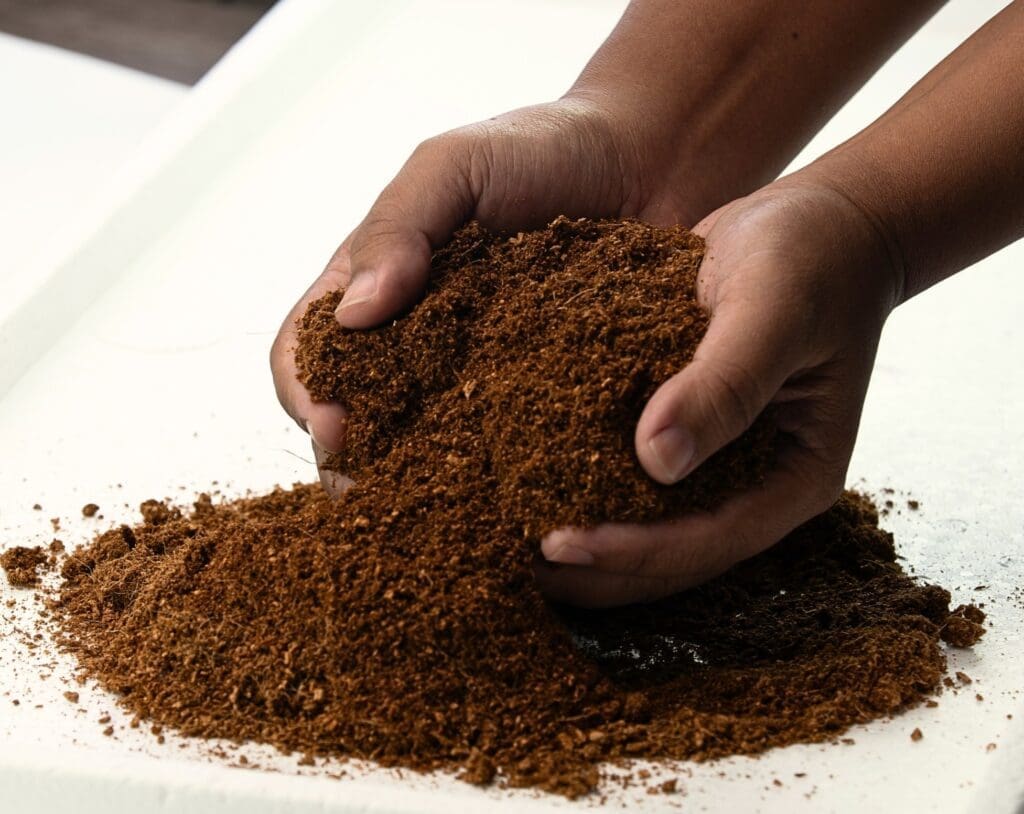
The Cocopeat Problem Nobody Warns You About

The Invisible Mistake That Kills 90% of First-Time Hydroponic Gardens

For aspiring hydroponic growers, the promise is tantalizing: fresh vegetables grown without soil, controlled environments, and year-round harvests. Yet an estimated 90% of beginners fail in their first attempt, not from lack of dedication, but from overlooking a critical step that seasoned growers consider non-negotiable.

The problem isn’t visible to the naked eye. It doesn’t announce itself with dramatic wilting or pest infestations. Instead, it manifests slowly: yellowing leaves despite adequate fertilization, mysterious tip burns on plant edges, and growth so sluggish it feels like watching paint dry.

The culprit? Improperly prepared cocopeat.

Cocopeat, the fibrous material extracted from coconut husks, has become the darling of hydroponic enthusiasts. It’s sustainable, retains moisture well, and provides excellent aeration for roots. But straight from the supplier, it harbors a dangerous secret: it’s loaded with potassium and sodium salts that create nutrient lockout—an invisible wall blocking the flow of essential nutrients your plants desperately need.

The fertilizers are there, dissolved in the water, circulating through your system. But the plant roots simply cannot absorb them. Money invested in premium nutrient solutions goes to waste. Hours of careful monitoring yield nothing but frustration.

Discover the two-step professional preparation process that transforms problem-plagued cocopeat into a nutrient-balanced, oxygen-rich growing medium—and why precision, not guesswork, separates thriving harvests from disappointing failures.

The Cocopeat Problem Nobody Warns You About Read More »

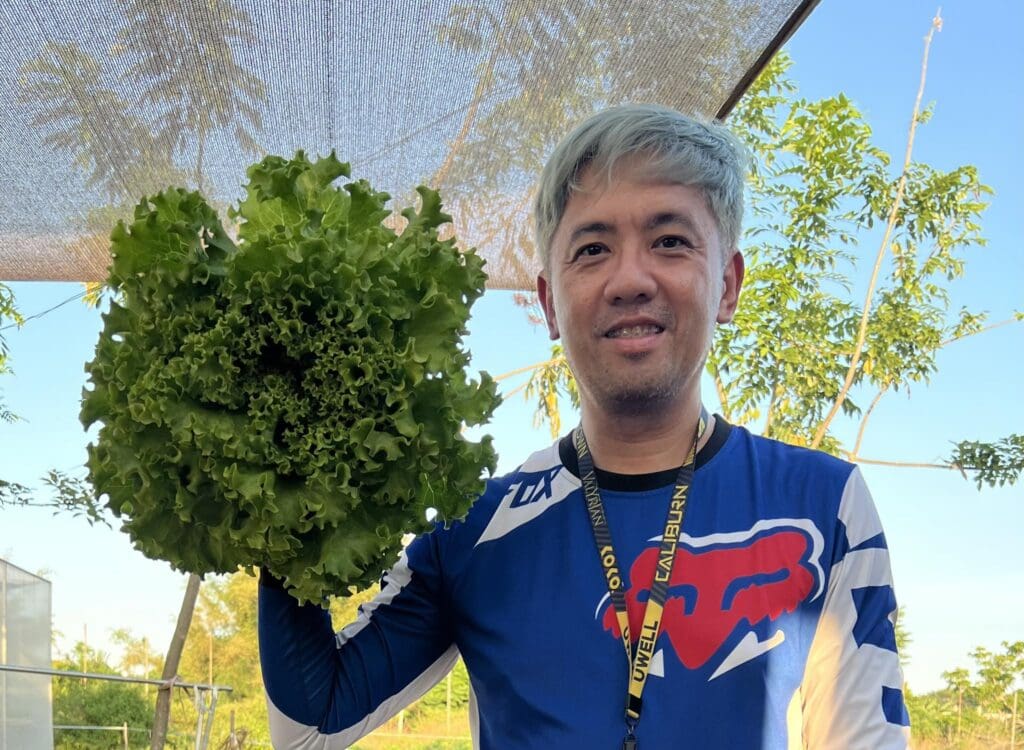
The Engineer Who Measures Everything Twice and Grows Perfect Lettuce

“When I like doing something, I see to it that I study it well. Not just do it. It can’t be just like this. The product I produce needs to be good.” — Jason Sarmiento

In the shadow of Mount Banahaw, where corn fields stretch across the landscape of Candelaria, Quezon, Jason Sarmiento is rewriting the rules of hydroponic farming.

The former telecommunications engineer turned hydroponic grower has become something of a local legend—not just for his daily vlogs that inspire thousands, but for his almost obsessive commitment to excellence.

“It can’t be just like this,” Sarmiento explains, standing amid rows of pristine Maritima lettuce. “The product I produce needs to be good. It needs to be presentable, something that can be sold properly.”

The Unlikely Journey

Sarmiento’s path to farming was neither planned nor conventional. A computer engineering graduate, he spent six years with Huawei Philippines as a data communications engineer before heading to Bahrain as an OFW. The corporate grind eventually wore him down.

“I got tired of corporate life,” he admits. When his mother fell ill in 2022, he returned home with plans to trade cryptocurrency. But staring at screens all day left him feeling hollow. “There’s no physical activity. It’s like I’ll die soon because I have no exercise.”

So he tried planting. What began as a hobby quickly evolved into something more serious—much more serious.

The Perfectionist’s Approach

What sets Sarmiento apart isn’t just his engineering background—it’s his refusal to accept mediocrity. When he started in December 2022, he didn’t sell a single head of lettuce for three to four months.

This philosophy extends to every aspect of his operation. When his first bamboo greenhouse—standing only eight feet tall—proved too hot for optimal growth, he didn’t make excuses. He rebuilt it at sixteen feet. When the standard greenhouse setup didn’t maximize his space, he designed a moving NFT channel system that produces 960 heads in just 48 square meters—yielding 20 heads per square meter.

“When they grow, I adjust them to the right space,” Sarmiento explains. “Because what lettuce really needs is space. They won’t grow if they’re really stuck together.” It’s labor-intensive work, moving channels one by one as plants mature. But for Sarmiento, the results justify the effort.

When Variety Selection Changes Everything

Jason’s most significant cultivation decision involved switching from Olmetie to Maritima lettuce variety in October of the previous year. This change resulted from careful observation of performance differences and customer feedback analysis.

Since implementing Maritima, pest pressure has virtually disappeared from his operation. Previous summers with Olmetie brought significant white fly infestations and subsequent plant stunting. The same conditions with Maritima produced no comparable pest issues.

Performance metrics demonstrate Maritima’s advantages: consistent harvests at 36-37 days from seed, with individual heads weighing 120-150 grams. The variety shows resilience across varying weather conditions, maintaining quality during both sunny and rainy periods.

The Science of Success

Ask Sarmiento about his secret, and his answer is refreshingly straightforward: “Regularly check your EC and pH.”

It’s the engineer in him speaking—measure, measure, measure. While some growers rely on intuition or luck, Sarmiento treats farming as the science it is.

“Hydroponics is science-based, so in science, there are meters, so let’s use them if you want your plant growth to become competitive,” he insists. “If it’s not in the right range, no matter what you do, it won’t grow like this.”

The proof is in his greenhouse. His Maritima lettuce—uniform, vibrant, and no yellow patches. No stunted growth. Just row after row of picture-perfect lettuce.

The Daily Discipline of Observation

Sarmiento’s greenhouse management operates on a different frequency—one tuned not to rigid schedules but to the subtle language of temperature, humidity, and plant behavior. Where conventional wisdom dictates deploying shade nets at 10 AM sharp, Jason steps into his greenhouse and feels. Some mornings, the heat builds with unusual aggression, and shade goes up at 8 AM. Other days, the standard timing holds. His misting system embodies the same intuitive precision: a mere 10 to 15 seconds of activation, triggered not by timer but by the first whisper of plant stress.

But don’t mistake intuition for guesswork. Jason’s irrigation timing dances with the seasons—thirty minutes on, fifteen off during daylight in cooler weather, then inverted at night to forty-five minutes off, fifteen on. It’s a rhythm that defies the common practice of shutting down pumps after dark. “I want to prevent the roots from drying out at night,” he explains, understanding what many miss: that respiration doesn’t sleep, that growth happens in darkness, that roots need oxygen even when photosynthesis pauses. The engineer in him measures everything twice. The farmer in him knows when to trust what can’t be measured at all.

Space as Strategy

“The inside of a greenhouse is for planting, not for touring,” Jason declares, unapologetic. Every centimeter surrendered to comfort is a centimeter stolen from production. This ruthless space allocation delivers 20 heads per square meter—nearly double what conventional layouts achieve. The real genius reveals itself in motion: as lettuce matures, Jason physically shifts entire NFT channels, choreographing a slow dance of spacing adjustments. It’s backbreaking work, moving 960 plants incrementally through their life cycle. But this mobile system achieves the impossible—maximum density without sacrificing individual plant development.

Even waste becomes a strategy. Those three-ounce plastic cups holding his seedlings? They cost 20 centavos and never come back. The expensive net pots he tried first? “They’d say they’ll bring them back, but only return a few,” he recalls with a rueful smile. The disposable cups win on three fronts: cheaper upfront, use less coco peat, and let roots emerge faster into the nutrient solution. The channels themselves slope precisely—one inch drop per forty inches—engineered for perfect nutrient film flow. It’s the engineer’s mind finding elegance in disposability, turning every constraint into calculated advantage.

The Customer-First Philosophy

When clients call, any hour, any circumstance, Jason moves. Not because he’s desperate for sales, but because he’s built something rarer than perfect lettuce: perfect reliability. “When I earn, and the person I sold to uses it in their business and earns too,” he says, articulating an economics of mutual prosperity that sounds almost naive until you see it working. Jason doesn’t just deliver lettuce—he learns businesses. He asks about menu changes, foot traffic, weekend rushes. Some might call it being tsismoso, a gossip. Jason calls it relationship-building. His customers become advocates not because his lettuce is cheaper, but because he’s become invested in their success.

The quality obsession feeds everything else. From his first harvest, Jason refused to sell anything less than pristine—no yellow patches, no stunting, just relentless consistency. “First impressions last with clients,” he notes. Two hundred heads every other day, without fail. Standards that never slip. Flexibility when timing matters but never at quality’s expense. It’s a business model built on the radical idea that excellence plus reliability creates its own demand. In Jason’s world, the product opens doors. The service keeps them open.

Building A Community

Despite running what he modestly calls a “backyard farm,” Sarmiento has become a hub in the hydroponic community. His daily vlogs draw devoted followers who wait for his updates. He’s created a group where growers help each other, share knowledge, and troubleshoot problems together.

His greenhouse installations, done in collaboration with Silver Greenhouse and Virgilio Montes, have become models of practical design. And his willingness to share both successes and failures has made him a trusted voice in the industry.
Apart from that, his relationship-building approach extends beyond simple delivery transactions. Jason invests time understanding each customer’s business requirements, operational challenges, and quality expectations. This deeper engagement creates trust-based partnerships that generate referrals and expand his customer network.

Customer loyalty manifests in their preference for his Maritima variety over the previously supplied Almette. The clients appreciate both the improved flavor profile and the complete leaf utilization possible with Maritima’s structure.

The View from Mount Banahaw

Standing in his greenhouse with Mount Banahaw visible in the distance, Sarmiento embodies a particular kind of Filipino excellence—one built not on shortcuts or hype, but on discipline, curiosity, and an uncompromising commitment to quality.
“What I learned in business is you’ll earn, and the person you sold to, if they use it in their business, they’ll earn too,” he reflects. It’s a philosophy of abundance rather than scarcity, of building rather than extracting.

From sixty heads to hundreds, from a bamboo structure to multiple greenhouses, from corporate engineer to master grower—Jason Sarmiento’s journey is still unfolding. But one thing is certain: wherever he goes, he’ll measure twice and cut once, ensuring that every plant, every system, every decision meets his exacting standards.

Because for Jason Sarmiento, it can’t be just like this. It has to be perfect.

The Engineer Who Measures Everything Twice and Grows Perfect Lettuce Read More »

Your Destination for Lettuce Cultivation Excellence at #Agrilink2025

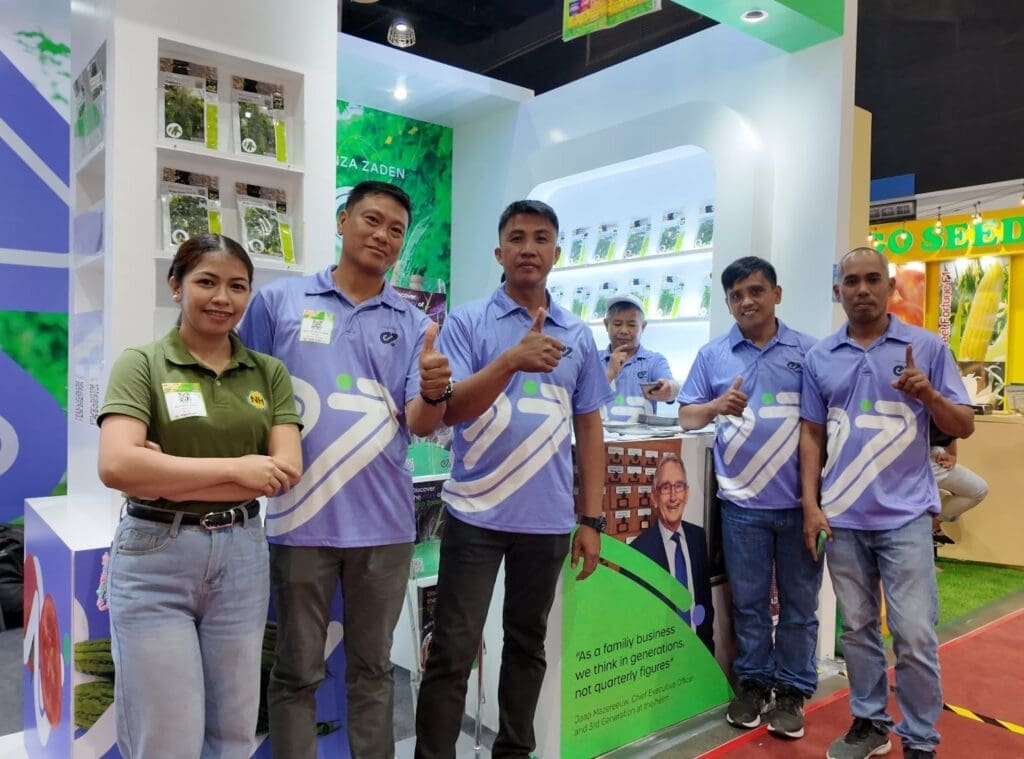
The energy at the World Trade Center Metro Manila is electric as Day 2 of Agrilink 2025 unfolds, bringing together the brightest minds and most innovative solutions in Philippine agriculture. Among the bustling exhibitors and engaged crowds, NutriHydro has found the perfect home at the Enza Zaden booth, where two industry leaders are joining forces to showcase what happens when world-class genetics meet precision nutrition.

The Agricultural Booths

Walking through the exhibition halls, visitors encounter the full spectrum of what falls under the Department of Agriculture’s vast umbrella. One aisle features gleaming irrigation equipment and tractors, while another showcases the latest developments in organic fertilizers and pest management. The air carries the mixed aromas of fresh produce samples, demonstration cooking, and the earthy scent of growing media on display.

In this diverse ecosystem of agricultural solutions, finding the right booth can feel like an adventure. But for those focused on commercial vegetable production, particularly lettuce cultivation, the journey leads to where NutriHydro has set up alongside Enza Zaden, creating a destination for serious growers seeking proven results.

Standing Out in the Crowd

This year’s Agrilink theme centers on logistics and supply chain efficiency, reducing waste and cutting costs from farm to market. Throughout the exhibition floor, this theme manifests in different ways. At some booths, it’s about transportation and cold storage solutions. At others, it’s packaging innovations or digital marketplace platforms. At the NutriHydro and Enza Zaden space, it’s about starting the chain right with superior genetics and optimal nutrition that minimize crop loss and maximize marketable yield.

Throughout Day 2, while visitors have explored diverse agricultural sectors from livestock nutrition to aquatic feed formulations, those stopping by the booth have engaged in focused conversations about hydroponic systems, nutrient management, and the economics of commercial lettuce production. The discussions have been technical and specific, diving into EC levels, pH management, and crop cycles, offering a welcome depth for growers who’ve already done their preliminary research and are ready for detailed implementation strategies.

Your Last Chance to Experience It Yourself

As Agrilink 2025 enters its final day, the exhibition will once again fill with farmers, agribusiness owners, suppliers, and agriculture enthusiasts exploring every corner of the industry. Somewhere between the poultry equipment demonstrations and the aquaculture workshops, past the livestock feed samples and the organic farming seminars, you’ll find the Enza Zaden booth where NutriHydro awaits.

Saturday, October 4, is your last opportunity to visit. The NutriHydro team will be ready throughout the day to provide hands-on demonstrations of both Maritima seeds and the NH Lettuce Formula, answer your questions about commercial production systems, and discuss the contract growing program that’s helped growers turn hydroponic lettuce cultivation into profitable ventures.

Making Your Way to Us

In the grand scope of Agrilink 2025, with its hundreds of exhibitors representing every aspect of agriculture from soil to table, from hatchery to market, the focused partnership between NutriHydro and Enza Zaden might seem like just one small booth. But for commercial lettuce growers and those aspiring to enter this market, it’s the destination that matters most.

The World Trade Center Metro Manila will open its doors Saturday morning for the final day of the Philippines’ largest agriculture exhibition. As you navigate past the impressive array of agricultural innovations, remember that sometimes the most valuable discoveries aren’t the largest displays but the most relevant ones. For lettuce production excellence, that’s where you’ll find us.

Don’t let the final day pass without stopping by. While Agrilink 2025 showcases everything under the Department of Agriculture, your success in commercial lettuce production starts at one specific spot: the Enza Zaden booth, where NutriHydro is ready to help you grow the healthiest, heaviest, and largest lettuce in the Philippines.

Your Destination for Lettuce Cultivation Excellence at #Agrilink2025 Read More »

WATCH AND SEE THE EVENT HIGHLIGHTS OF THE RECENT AGRIBUSINESS CONNECT.

Behind every great movement is a story worth telling—here’s the journey of the man transforming Philippine agriculture.

Inspiring Agricultural Resilience in the Philippines

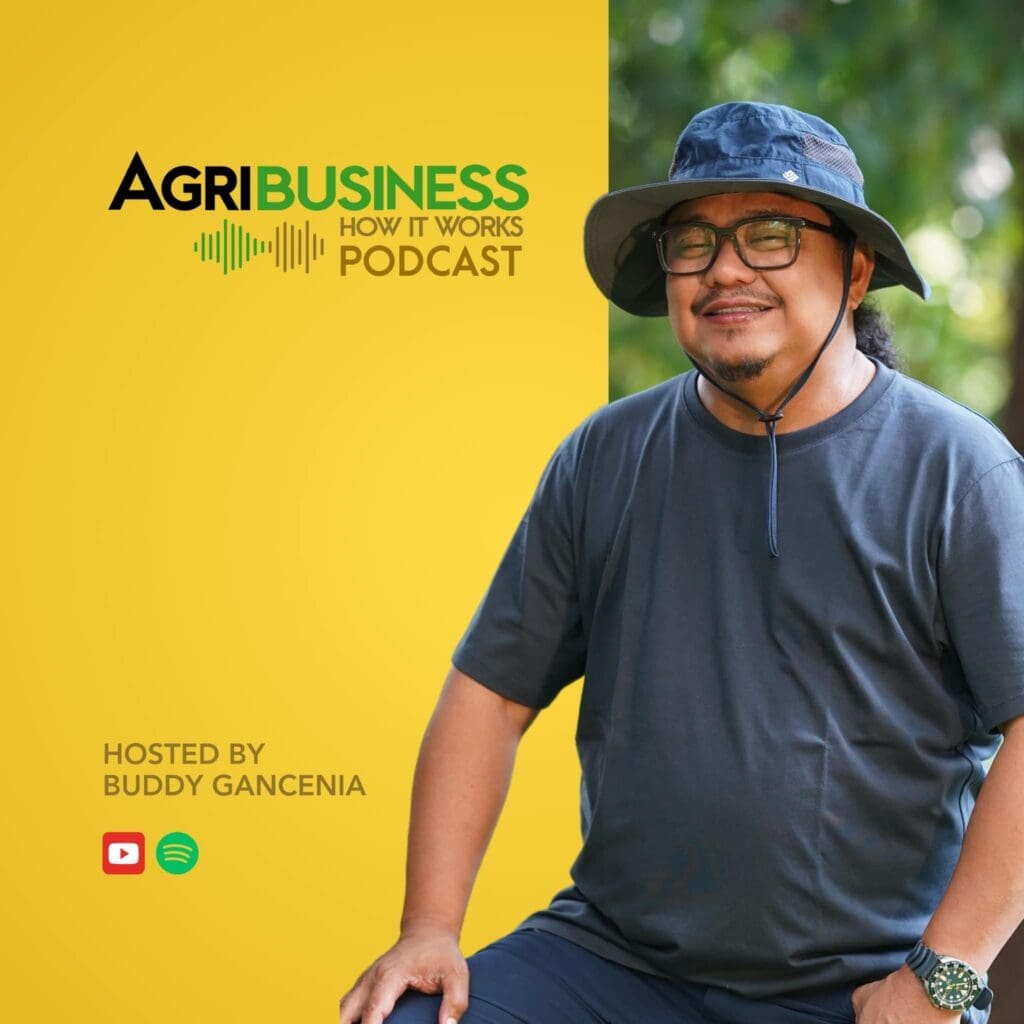
When passion meets purpose, extraordinary things happen. Buddy Gancenia, known as “Mr. Agribusiness”, is proof of this. Through his platform Agribusiness How It Works, he is inspiring a new generation of Filipino farmers and transforming their view on farming and agribusiness.

The Journey of Buddy Gancenia

Gancenia’s journey is remarkable. A former video editor for a broadcast network, he leveraged his media expertise to create content that bridges aspiration and action in agriculture. Growing up in a farming community, he understood the sector’s potential, but it was his unique storytelling ability that made the difference.

Today, with nearly 800,000 YouTube subscribers, Gancenia has built an authentic platform where Filipino growers learn practical business strategies for farming success. His content targets everyone from seasoned farmers to overseas Filipino workers (OFWs) looking to invest in agriculture back home.

Instruct. Inspire. Succeed.

This powerful tagline captures the essence of Agribusiness How It Works. Through farm visits, business analyses, and success stories, Gancenia provides raw, honest perspectives on agricultural entrepreneurship. He documents farms and showcases viable business models that empower growers to thrive.

His mission directly contributes to crop production resilience in the Philippines. His work equips farmers with the knowledge to navigate market shifts and environmental challenges, transforming obstacles into opportunities for growth.

Congratulations to Buddy Gancenia and the Agribusiness Connect community on your recent event!

At NutriHydro, we’re always proud to support initiatives that elevate Philippine agriculture. Your work in empowering Filipino farmers through education and inspiration is paving the way for a more resilient and productive agricultural future in the Philippines.

With advocates like Buddy Gancenia leading the charge and partners committed to innovation, Philippine agriculture is entering a new era—one where passion meets purpose, and every Filipino grower has the tools to succeed.

To every aspiring farmer watching, every OFW dreaming of coming home to their own farm, and every agricultural entrepreneur taking that first step—you’re not alone. With mentors like Buddy Gancenia showing the way and a growing community rallying behind Philippine agriculture, the future has never looked brighter. The question isn’t whether Filipino agriculture will flourish, but how far we’ll go together.

WATCH AND SEE THE EVENT HIGHLIGHTS OF THE RECENT AGRIBUSINESS CONNECT. Read More »

A Young CEO From Thailand Making Food Safety His Mission

The path from farm to fork should never compromise health—that’s the heart of food safety.

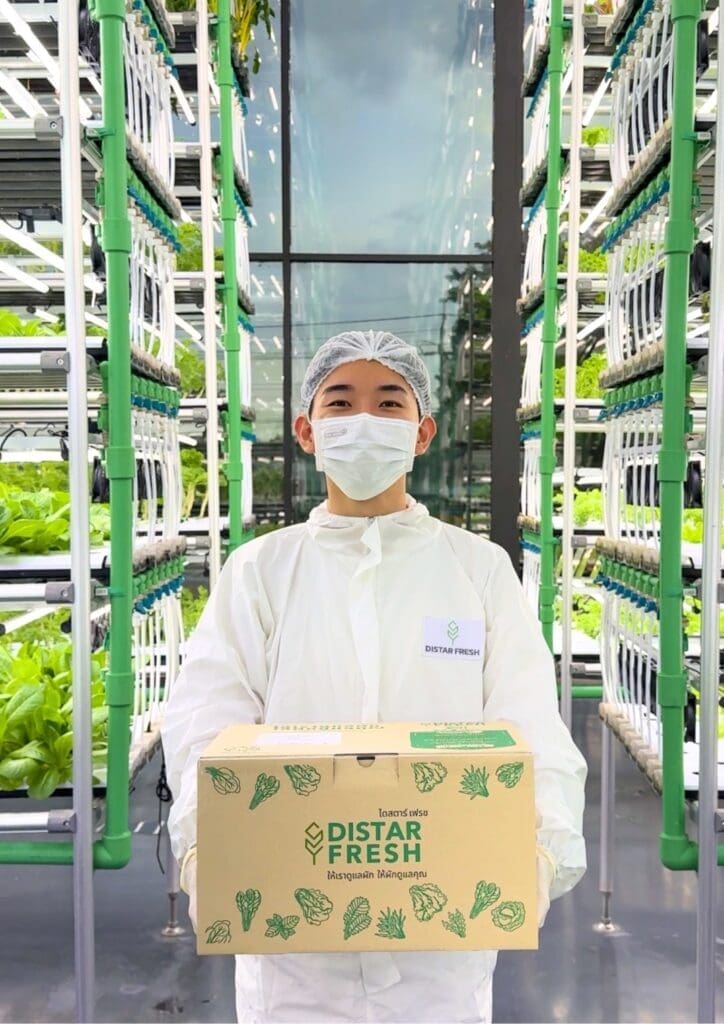
In a nondescript industrial area outside Bangkok, something extraordinary is growing—literally reaching toward the ceiling. DiStar Fresh, Thailand’s largest vertical farm, stretches 10 stories high within a single room, producing over 10 tons of pesticide-free leafy greens each month from just 400 square meters of floor space.
The man behind this agricultural revolution is Sansin Sriphiromrak, known to friends as Chane, a 28-year-old Mahidol University graduate who has become a leading voice in Asia’s Controlled Environment Agriculture (CEA) movement. His mission extends far beyond maximizing yields—it’s about reimagining food safety in a region where, as he puts it, “nature is not safe anymore.”

A Sterile Symphony of Growth

Entering DiStar Fresh feels more like stepping into a medical facility than a farm. Visitors must don complete PPE—coveralls, sanitized footwear, and hair nets—before entering the cultivation area. The reason is simple: in a closed system, one contaminant can destroy an entire harvest within hours.

“Bio security is essential in indoor farming,” Chane explains as he guides visitors through his facility. The 7-meter-high room houses 60,000 growing slots across its vertical layers, each one part of a carefully orchestrated system that maintains temperatures around 26-27 degrees Celsius and humidity at 75%.

The farm operates on a precise three-hour water cycle followed by one-hour dry periods, allowing roots to experience both hydration and crucial aeration. Custom-designed LED lights deliver specific light spectrums—red for flowering, blue for robust growth, and even far-red at 730 nanometers for optimal photosynthesis.

The Economics of Clean Food

What sets DiStar apart isn’t just its technology, but its business model. While conventional Thai farmers receive just 5 baht per plant that eventually sells for 40 baht in retail, DiStar sells directly to consumers through subscription services at the same 40-baht price point—but keeps the entire margin to reinvest in quality and safety.

“People literally pay for the subscription for us to care for their lettuce,” Chane says. “Everyone owns—there’s an owner for all of these plants. They know where to go the moment they’re harvested.”

This direct-to-consumer approach allows DiStar to deliver vegetables within 24 hours of harvest, preserving crucial enzymes and vitamins that typically degrade during the traditional supply chain’s 4-7 day journey from farm to consumer’s refrigerator.

The subscription model creates predictable revenue streams that enable DiStar to invest in expensive equipment and maintain rigorous quality standards. Customers commit to weekly deliveries of 10 units of mixed greens, creating a loyal base that values safety over convenience. This contrasts sharply with retail agriculture, where farmers must compete primarily on price rather than quality, leading to the systemic compromises that plague conventional farming across Southeast Asia.

Fighting an Uphill Battle

The necessity for such extreme measures becomes clear when Chane discusses Thailand’s food safety landscape. While organic produce in Thailand typically tests for 48 pesticides, DiStar’s greens undergo screening for 693 different pesticide residues through European lab Eurofins—14 times more comprehensive than organic certification requires.

The numbers are sobering: 100% of conventional Thai bok choy and Chinese kale in markets contain pesticide residues, with 88% at dangerous levels. Recent scandals, including imported grapes found to contain over 50 types of banned chemicals, highlight the systemic challenges facing Southeast Asian food safety.

“In Thailand, pesticide produce can be labeled as organic,” Chane explains. “How do you compete with that? We just escape that supply chain entirely.”

The regulatory environment compounds these challenges. When Shine Muscat grapes from China were found to contain over 50 banned chemicals across 23 of 24 samples tested, Thailand’s FDA still declared 7 tons of the imported fruit “safe to consume.” Such contradictory messaging erodes consumer confidence and creates an environment where fraudulent labeling thrives. The lack of meaningful consequences for violations means that premium-priced “organic” products often carry higher pesticide loads than cheaper alternatives from local fresh markets.

Innovation Through Necessity

DiStar’s solutions emerge from practical challenges. The farm uses inorganic substrates—perlite from volcanic rock and vermiculite—instead of organic materials like coconut coir that can harbor pests in closed systems. Custom-made stainless steel tanks, PPR food-grade pipes, and specialized black growing trays (which research shows increase yields by 5% by keeping roots in darkness) all contribute to the sterile environment.

The facility is completely sealed from the outside world, with CO2 supplied from tanks and oxygen generated by plants. This isolation is crucial—DiStar sits surrounded by rice fields where drones spray pesticides daily.

“We are very afraid of insects,” Chane admits. “We are surrounded by rice fields. There are drones spraying pesticide every day.”

Every component serves multiple purposes in this closed ecosystem. The custom LED arrays combine multiple light spectrums—680nm and 730nm for photosynthesis, blue light for anthocyanin production in red oak lettuce, and white light for overall plant health. The lighting schedule includes deliberate dark periods, not just to save energy, but to prevent plant stress and allow natural rest cycles. Even the flooring uses polyurethane coating specifically chosen because pathogens cannot survive on its surface, while the aluminum support structures resist corrosion and provide precise sloping for the nutrient film technique (NFT) water system.

Scaling the Future

The farm employs 20 people across two shifts, paying “office salaries” to elevate the farming profession. Night shift workers handle transplanting and germination, while morning crews manage harvesting and processing. The operation runs with military precision—any violation of biosecurity protocols results in immediate termination.

DiStar doesn’t patent its innovations or sell technology packages. Instead, Chane offers consulting and workshops, believing that knowledge sharing will accelerate the adoption of safe growing practices across the region.

“We are farmers,” he emphasizes. “This is just a tool. If there’s anything better than this, we are ready to hop on.”

The knowledge-sharing approach reflects Chane’s broader philosophy about agricultural transformation. Rather than hoarding trade secrets, DiStar opens its doors to competitors, government officials, and aspiring farmers. The company has trained teams from other Southeast Asian countries and regularly hosts delegations studying vertical farming implementation. This openness stems from a calculated bet: that widespread adoption of clean farming practices will create a larger market for premium produce, ultimately benefiting all participants more than maintaining a technological monopoly in a small niche.

The Bigger Picture

Four vertical farms have already failed in Thailand, not due to growing challenges but marketing difficulties. DiStar’s success stems from building consumer trust through transparency and education, differentiating itself in a marketplace where, as Chane notes, “fake organics are everywhere.”

The farm’s most popular crop isn’t exotic—it’s kale, driven by superfood trends and the difficulty of finding clean versions of pest-prone vegetables. Thai staples like bok choy and Chinese kale, despite being inexpensive in markets, command premium prices when grown pesticide-free.

The failure rate among vertical farms reveals the complexity of disrupting established food systems. Technical excellence in cultivation means nothing without market acceptance, and market acceptance requires consumer education about why paying premium prices for indoor-grown produce makes sense. DiStar invests heavily in transparency—publishing test results, hosting facility tours, and maintaining detailed documentation of growing processes. This approach contrasts with competitors who focused on selling technology solutions rather than building sustainable food businesses. The lesson extends beyond farming: in industries where trust has been eroded by widespread fraud, transparency becomes a competitive advantage that can’t be easily replicated.

A Vision for Southeast Asia

Looking ahead, Chane sees controlled environment agriculture as inevitable across Southeast Asia. With rivers poisoned by arsenic and soil contaminated by decades of chemical use, the choice isn’t between natural and artificial growing methods—it’s between safe and unsafe food.

“Nature is not safe anymore,” he reflects. “That’s why we are running indoors. A farm like this is like a building—10 years, 20 years. It’s literally a factory of greens.”

As consumers across the region become more health-conscious and food safety scandals continue to emerge, DiStar Fresh represents more than just an innovative farming method. It’s a blueprint for how technology can rebuild trust between producers and consumers, one carefully controlled harvest at a time.

The regional implications extend beyond individual health concerns. Southeast Asia’s rapid economic development has created a growing middle class willing to pay premium prices for safe food, but existing agricultural systems haven’t adapted to meet this demand. Climate change compounds the challenge—extreme weather events, shifting rainfall patterns, and rising temperatures make outdoor cultivation increasingly unpredictable. Countries across the region face similar pressures: urbanization reducing arable land, aging farming populations, and the environmental costs of intensive chemical agriculture. Chane’s model offers a scalable response that could be replicated from the Philippines to Vietnam, creating a new paradigm where food security and safety aren’t competing priorities.

In a world where the question is no longer whether food looks fresh but whether it’s actually safe, DiStar’s sterile towers may well represent the future of farming—growing up, not out, in pursuit of something that should be simple but has become revolutionary: truly clean food.

A Young CEO From Thailand Making Food Safety His Mission Read More »

The Minimalist Innovator Revolutionizing Hydroponic Farming in Cebu

Most engineers solve problems with concrete and steel, but Efren Sagarino found his biggest passion growing in soil.

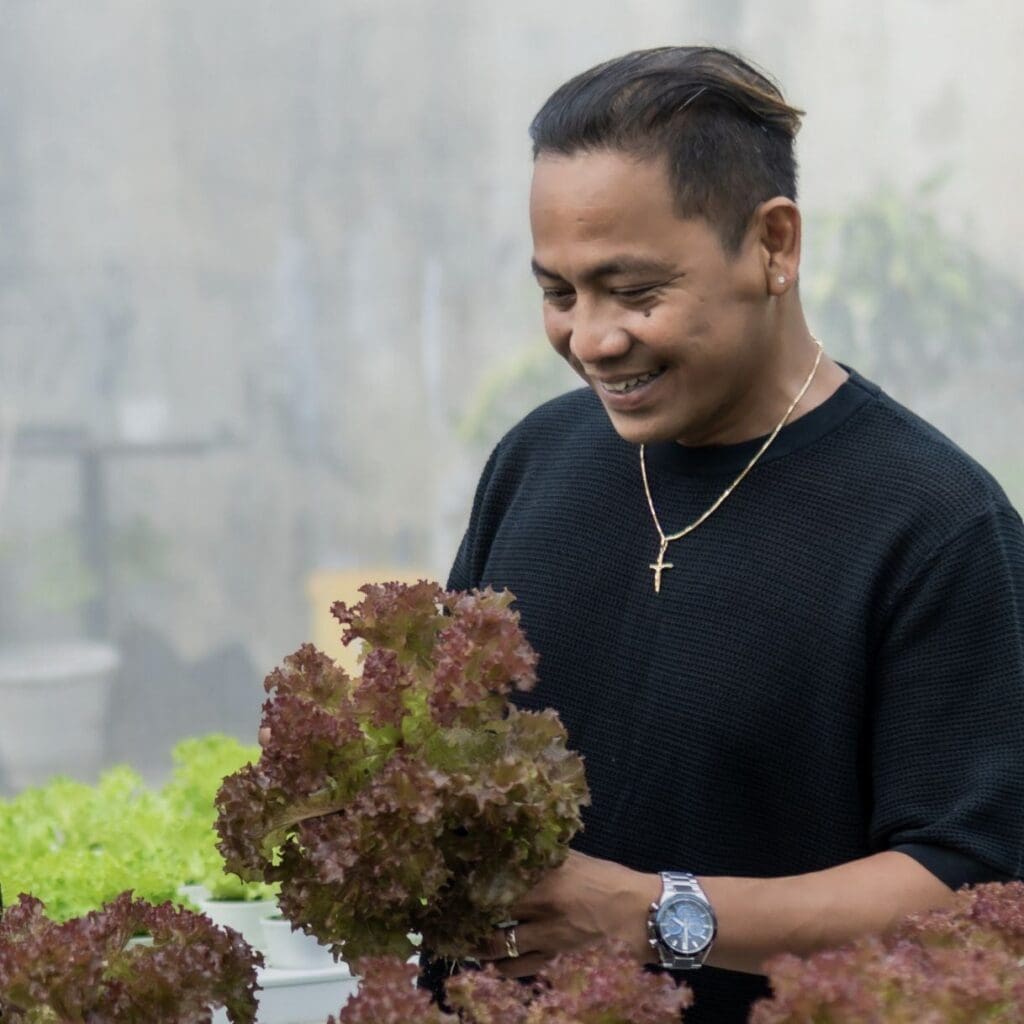
The morning sun filters through a 50% shade net as Efren Sagarino makes his daily rounds through MECS Hydroponics, checking each of his 1,600 lettuce plants for signs of pests or disease. At 45, with calloused hands and an engineering perspective, he embodies a new generation of Filipino farmers who are proving that innovation doesn’t always come from laboratories or universities—sometimes it emerges from necessity, persistence, and the willingness to rebuild after failure.

Five years ago, Sagarino was just another overseas Filipino worker trying to support his family after leaving civil engineering school one year before graduation. Today, his minimalist greenhouse design and DIY hydroponic innovations are being adopted by growers across the archipelago, shared freely through social media and word-of-mouth in a community that values practical solutions over patent protection. What makes Sagarino’s influence particularly powerful is his refusal to present himself as an expert—instead, he positions himself as a perpetual student of agriculture, openly sharing his failures alongside his successes in a way that makes hydroponic farming feel accessible to anyone willing to learn, adapt, and persevere.

When Engineering Meets Agriculture

Sagarino’s journey began with destruction. When Typhoon Odette devastated his first hydroponic setup—a simple tent-style structure—he faced a choice that would define his approach to farming: rebuild the same way, or engineer something better.

“The key insight was minimalism,” explains Sagarino, gesturing to his current greenhouse structure. “Not complicated, fast to build, clean, and functional.” His Scandinavian-inspired design uses progressively smaller pipe sizes—from 2-inch main posts down to half-inch center beams—creating a structure that has weathered three years of tropical storms while using significantly less steel than conventional designs.

But the real innovation lies in what Sagarino calls his “full NFT system” with removable covers. Traditional Nutrient Film Technique systems in the Philippines often suffer from maintenance challenges and contamination issues. Sagarino’s solution was elegantly simple: cut access panels into the growing channels, secured with detachable covers that allow complete cleaning without system shutdown.

“I was inspired by plumbing principles,” he says, demonstrating how easily the covers lift away. His engineering background helped him recognize that effective maintenance requires access to every surface where algae or pathogens might grow.

The Science of Practical Innovation

What sets Sagarino apart from many hydroponic enthusiasts is his systematic approach to problem-solving. When he noticed that his early NFT systems were experiencing root rot during hot weather, he didn’t simply accept it as an inevitable challenge. Instead, he analyzed the problem through his engineering lens.

“When water sits in the pipes, it becomes a heat absorber,” he explains, pointing to his current system where nutrient solution flows as a thin film with minimal retention. “You’re essentially cooking your plants’ roots. The solution was to ensure true film flow—manipis hanggang dulo (thin all the way to the end).”

His modifications extend beyond the growing channels. Inspired by his experience with koi pond aeration, Sagarino redesigned his reservoir oxygenation system with multiple air holes rather than the single air stone common in most setups. The result is visibly higher dissolved oxygen levels—critical for root health and nutrient uptake in tropical conditions.

These innovations didn’t emerge overnight. Sagarino describes years of experimentation, failure, and incremental improvement. His buffering process for coco peat, his double-sealing system for pipe connections, and his P-trap integration for contamination prevention all represent solutions to specific problems he encountered and solved through trial and persistence.

A Philosophy of Sharing Beyond the Greenhouse

What makes Sagarino’s story particularly compelling is his approach to knowledge sharing. In an industry where proprietary techniques are often closely guarded secrets, he operates with radical transparency.

“Maraming growers pumupunta dito,” he says matter-of-factly. “We share everything. Why would you keep knowledge that can help others succeed?”

This philosophy extends to his business model. Beyond selling his produce—which achieves impressive yields of 22 heads per square meter—Sagarino offers consultation services, construction assistance, and training to anyone serious about learning. His family name itself reflects this community-oriented approach: MECS Hydroponics combines the initials of Marlene, Efren, Clint, and Sean—a business literally built on family foundation.

The impact is measurable. His removable NFT cover design has been adopted by multiple commercial operations. His minimalist greenhouse structure has been replicated across Cebu and beyond. His maintenance protocols have helped other growers avoid the disease issues that plague many tropical hydroponic operations.

The Next Generation Challenge

Sagarino’s story raises important questions about the future of Philippine agriculture. His success demonstrates that significant innovation can emerge from small-scale operations led by practitioners rather than researchers. His systems work precisely because they’re designed by someone who must live with their daily operational reality.

Yet scaling these innovations presents challenges. While Sagarino freely shares his knowledge, the broader agricultural system lacks mechanisms to systematically capture, validate, and disseminate such grassroots innovations. His techniques remain dependent on personal networks and social media for distribution rather than formal extension services.

His family’s success story—two sons who achieved professional success through self-reliance and determination—parallels the broader challenge facing Philippine agriculture. Individual excellence and innovation are clearly possible, but systemic support structures remain limited.

Measuring Success Beyond Yield

After five years of operation, Sagarino’s definition of success has evolved beyond simple production metrics. Yes, his system produces 1,600 lettuce heads every 25 days in just 72 square meters. But he measures impact differently now.

He believes true success comes when other growers don’t have to repeat the same mistakes he made, when someone builds a better system because they learned from what he shared. His daily routine reflects this philosophy. Morning inspections aren’t just about pest management—they’re about continuous observation and improvement. His weekly planting schedule isn’t just about production consistency—it’s about understanding how small changes in timing affect plant development.

Even his plant spacing strategy, learned from collaborating with other growers like Fernando Algozo, demonstrates how innovation emerges from community rather than isolation. The practice of selective harvesting and spacing adjustment didn’t originate with Sagarino, but his systematic implementation and documentation of the technique has helped other growers adopt it successfully.

Building Tomorrow’s Growing Systems

As Sagarino plans expansion into cherry tomatoes and other crops, his focus remains on refinement rather than revolution. The principles that guide his work—minimalism, functionality, maintainability, and shareability—point toward a model of agricultural development that could be particularly relevant for the Philippines.

His success suggests that the next generation of agricultural innovation may come not from high-tech solutions requiring significant capital investment, but from systematic improvements to existing technologies made by practitioners who understand both the science and the daily operational reality of farming.

Sagarino advises aspiring hydroponic growers to remain dedicated and persistent in their efforts, emphasizing that success extends beyond individual harvests to encompass what growers help others achieve.

In an era where agricultural innovation often requires significant capital and sophisticated infrastructure, Sagarino has developed something more valuable: replicable solutions that improve with each adaptation. His techniques travel not through patents and licensing agreements, but through conversations between growers, social media posts, and hands-on demonstrations. This organic dissemination model may prove more transformative for Philippine agriculture than any venture-funded startup, precisely because it operates within the economic and social realities that most Filipino farmers actually face.

The Minimalist Innovator Revolutionizing Hydroponic Farming in Cebu Read More »

Sustainability for the Next-Generation

Sustainability Explained by Honey Daz

Sustainability is a principle built on decades of research, global collaboration, and policy development.
It gained international attention through the 1987 Brundtland Report, which called for development that meets present needs without harming the ability of future generations to meet theirs. The concept connects three essential areas: social wellbeing, economic responsibility, and environmental protection. These pillars influence how communities grow, how businesses operate, and how natural resources are managed across generations.

Sustainability for the Next-Generation Read More »

Scroll to Top