Crop Protection

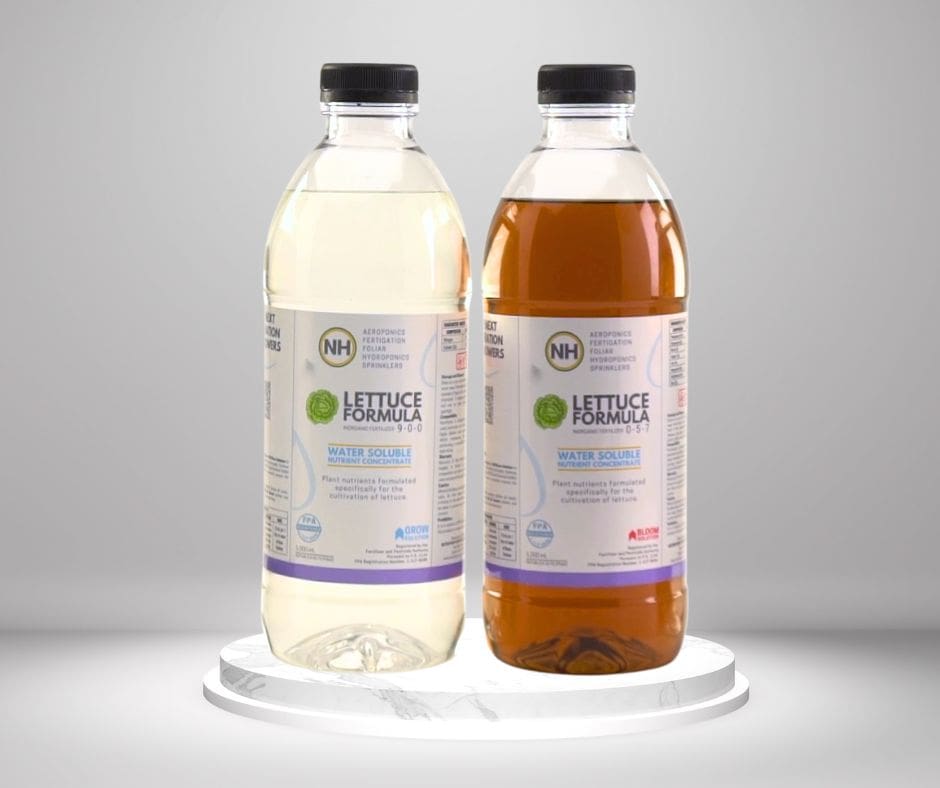
NH Lettuce Formula with Companion Products Application Guide

Why Your Lettuce Yellows Despite Perfect TDS

You’re using premium nutrients, following the mixing instructions perfectly, maintaining the correct TDS—yet your lettuce is still yellowing, stunted, or developing thick, brown roots. The problem? It’s almost never the nutrients.

Nutrihydro’s Lettuce Formula delivers complete nutrition when mixed properly. Growers using NH Lettuce Formula grow the biggest, healthiest, and heaviest lettuce across the country from Luzon to Mindanao. But while nutrients deliver yield and remain the biggest factor in productivity, proper results require managing three critical parameters most growers overlook.

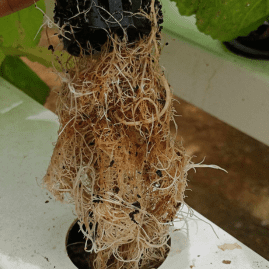
Lettuce roots should be long, hair-like, and white. During farm visits, we consistently observe short, thick roots with dissolved oxygen below 4 g/L—hypoxic conditions that cause yellowing and stunted growth even when pH and TDS are correct. Install aerators and keep water temperature at 18–22°C for optimal oxygen levels.

Many growers maintain correct TDS but skip pH management due to extra work and cost. Without pH between 5.5–6.0, even perfectly formulated nutrients cannot be absorbed. At pH above 6.2, iron, manganese, and zinc precipitate out and become unavailable despite adequate amounts in solution. Use NH Phosphoric Acid 85% to maintain precise pH control at 5.8.

In the Philippines, high humidity slows transpiration—the plant’s internal transport system that moves nutrients from roots to leaves. When transpiration slows, nutrient delivery drops and growth stalls even with correct EC and pH. Lettuce becomes vulnerable to tip burn as calcium cannot reach leaf margins. Increase airflow and use NH Bio-CalMag foliar spray at 1–2 mL per liter during humidity spikes.

Premium nutrients alone don’t guarantee premium results. NH Lettuce Formula provides the foundation, but harvest quality depends on managing dissolved oxygen, pH stability, and transpiration-driven nutrient transport in concert. Target EC of 0.6–0.7 for seedlings, 1.2–1.4 during vegetative growth, and 1.4–1.6 in the final stretch. Maintain pH at 5.5–6.0, dissolved oxygen at 4 g/L or above, humidity between 55–70%, and water temperature at 18–22°C.

Master these fundamentals—proper mixing protocol, adequate dissolved oxygen, precise pH management, and humidity control with NH Phosphoric Acid and NH Bio-CalMag—and you’ll achieve the productivity that separates profitable operations from struggling ones. Your investment in NH Lettuce Formula deserves full system optimization. Follow these protocols, measure consistently, and respond decisively to problems, and you’ll grow lettuce that reflects the true potential of both your nutrients and your skill as a grower.
NH Lettuce Formula with Companion Products Application Guide Read More »

Waterborne Pathogens in Hydroponics

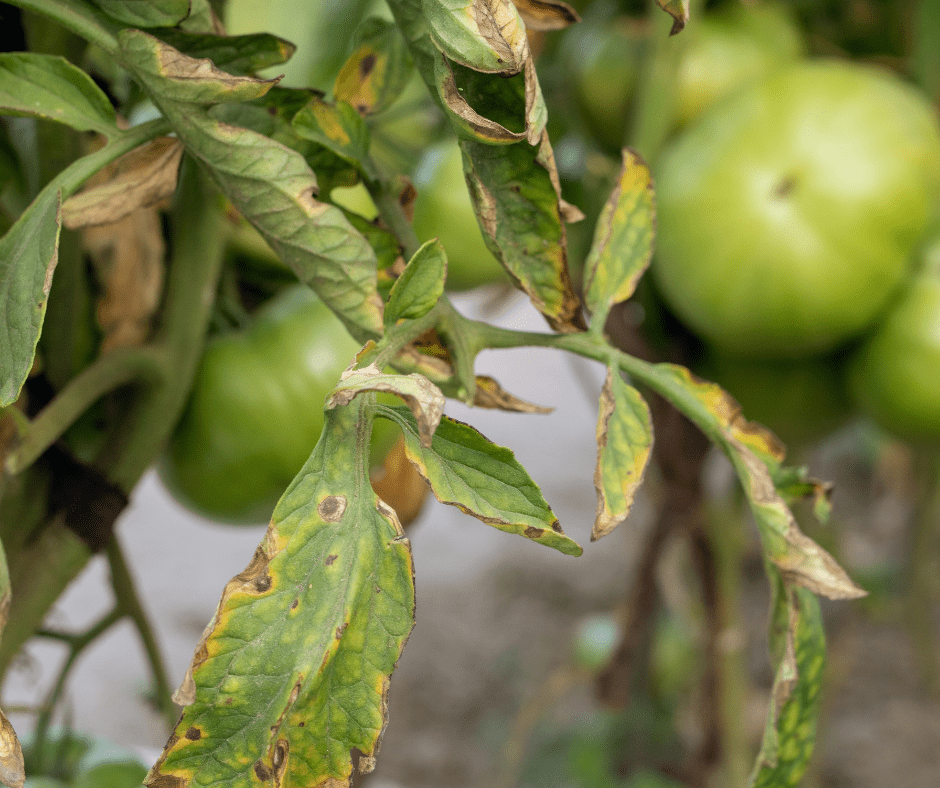
Waterborne pathogens are a critical challenge in hydroponic farming, thriving in contaminated water and spreading through recirculating systems. These pathogens—including bacteria, fungi, viruses, protozoa, and nematodes—cause issues like root rot, wilting, and stunted growth, severely impacting crop yield and quality. Preventing outbreaks requires strict phytosanitation, effective water treatment, and integrated pest management using beneficial microbes like NutriHydro’s NH Subamo and NH Bebass.

Waterborne Pathogens in Hydroponics Read More »

NH Bio Control Protection

UNDERSTANDING BIO CONTROL Benefits of Bio Control How it Works Works Against Applications Induced Systemic Resistance Boosts the plant’s natural defenses against a wide range of pathogens reducing the incidence of diseases. Enhance Plant Growth Promotes vigorous root development and overall plant health by improving nutrient uptake and soil fertility. Natural Pest Control Provides effective

NH Bio Control Protection Read More »

The Works of Biocontrol Protection

Biocontrol products offer an eco-friendly alternative to chemical pesticides by harnessing natural organisms to combat pests, diseases, and weeds in agriculture. These solutions promote biodiversity, target specific harmful organisms, and help preserve the health of beneficial species and ecosystems. Through mechanisms like predation, parasitism, competition, and induced resistance, biocontrol products support more resilient and sustainable agricultural systems, reducing the need for synthetic chemicals while protecting crops.

The Works of Biocontrol Protection Read More »

The Devastating Effects of Aphids and Spider Mites

Aphids and spider mites, tiny sap-sucking pests, cause significant damage to plants by feeding on their tissues and transmitting diseases. Aphids secrete honeydew, attracting ants and promoting sooty mold, while spider mites disrupt photosynthesis by piercing plant cells. Managing these pests involves practices like crop rotation, introducing natural predators, chemicals or using insecticidal soaps as a last resort.

The Devastating Effects of Aphids and Spider Mites Read More »

Hydrogen Peroxide in Agriculture: A Proactive Approach to Farm Sanitation and Disease Prevention

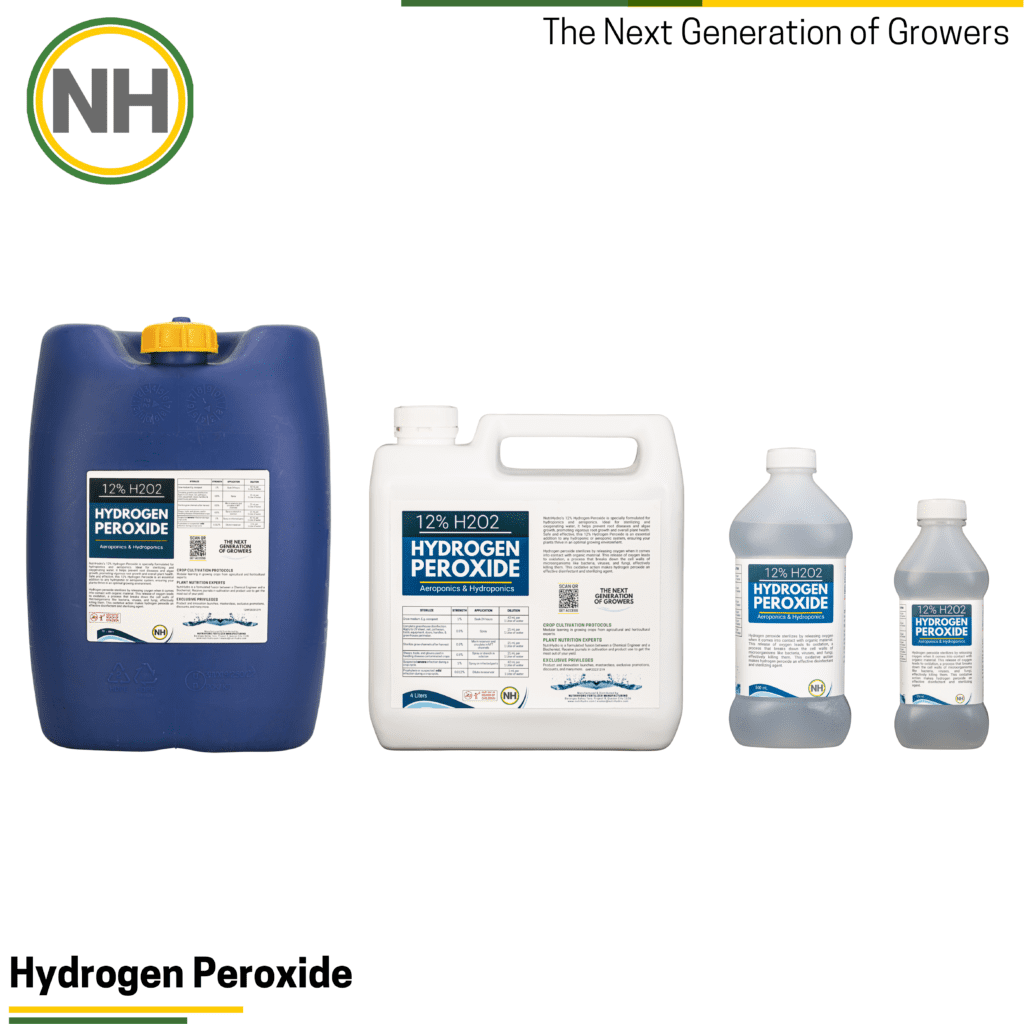
Hydrogen Peroxide in Agriculture: A Proactive Approach to Farm Sanitation and Disease Prevention Managing pests and diseases is crucial for better harvests and healthier food. When it comes to agricultural pest management, the saying “prevention is better than cure” holds true. Most plant diseases are difficult to control once they are established, and often have

Hydrogen Peroxide in Agriculture: A Proactive Approach to Farm Sanitation and Disease Prevention Read More »

Understanding and Managing Tip Burns in Hydroponic Lettuce Cultivation

Romaine Tipburn

Tip burn, a common disorder in hydroponic lettuce cultivation, can significantly impact the yield and quality of the crop. Learn about the role of calcium as an immobile nutrient, susceptible lettuce varieties, symptoms, causes, and effective treatment and prevention methods. Discover how biostimulants like NutriHydro Bio CalMag can be used in managing and preventing this disorder.

Understanding and Managing Tip Burns in Hydroponic Lettuce Cultivation Read More »

Scroll to Top