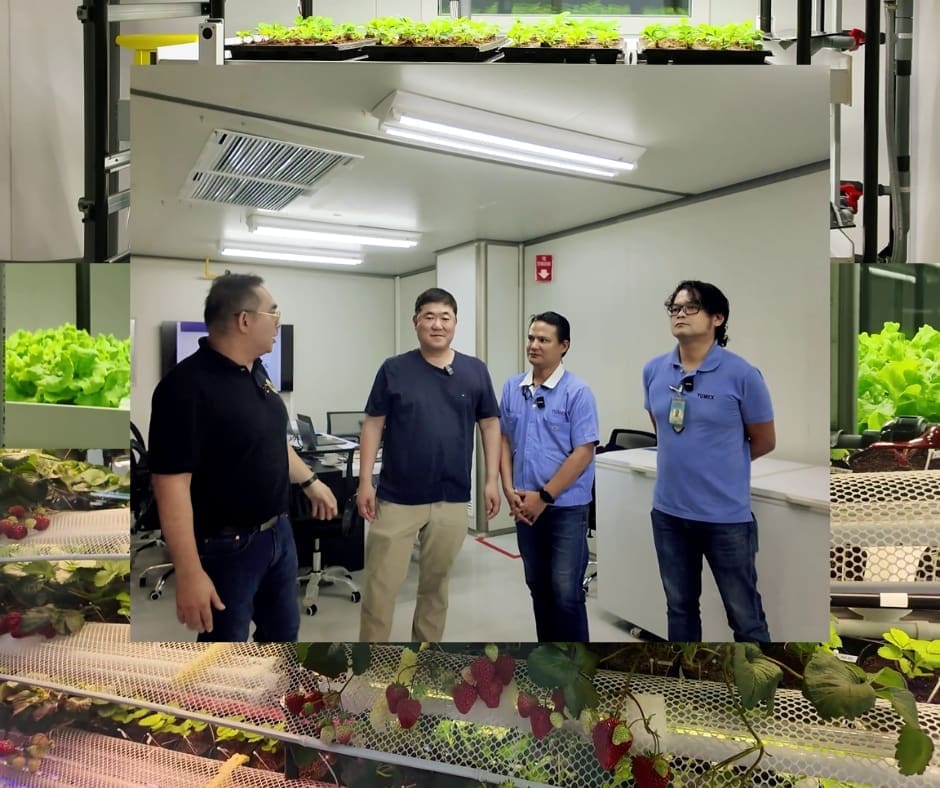
The Talong & Ampalaya King of Bauan, Batangas

In Bauan, Batangas, Jezrel Palacio Carreon’s Talong & Ampalaya farm stands as proof that Philippine agriculture can thrive through innovation and dedication. With three decades of farming experience, Jezrel turned down opportunities in San Francisco and Bahrain to build a six-hectare operation that survived multiple typhoons while neighboring farms collapsed. His secret lies not just in galvanized wire trellises or strategic bed preparation, but in treating farming as both an art and a business. From producing five to seven tons of bitter gourd per harvest on just 1.2 hectares to generating 200 tons of eggplant over 17 months, Jezrel’s numbers tell a compelling story. But beyond the mathematics of agriculture, his journey from Zamboanga to Batangas during the pandemic, his innovative partnership with landowners, and his commitment to sharing knowledge on social media reveal a farmer who embodies what Philippine agriculture could become: professional, profitable, and proudly Filipino.

The Talong & Ampalaya King of Bauan, Batangas Read More »

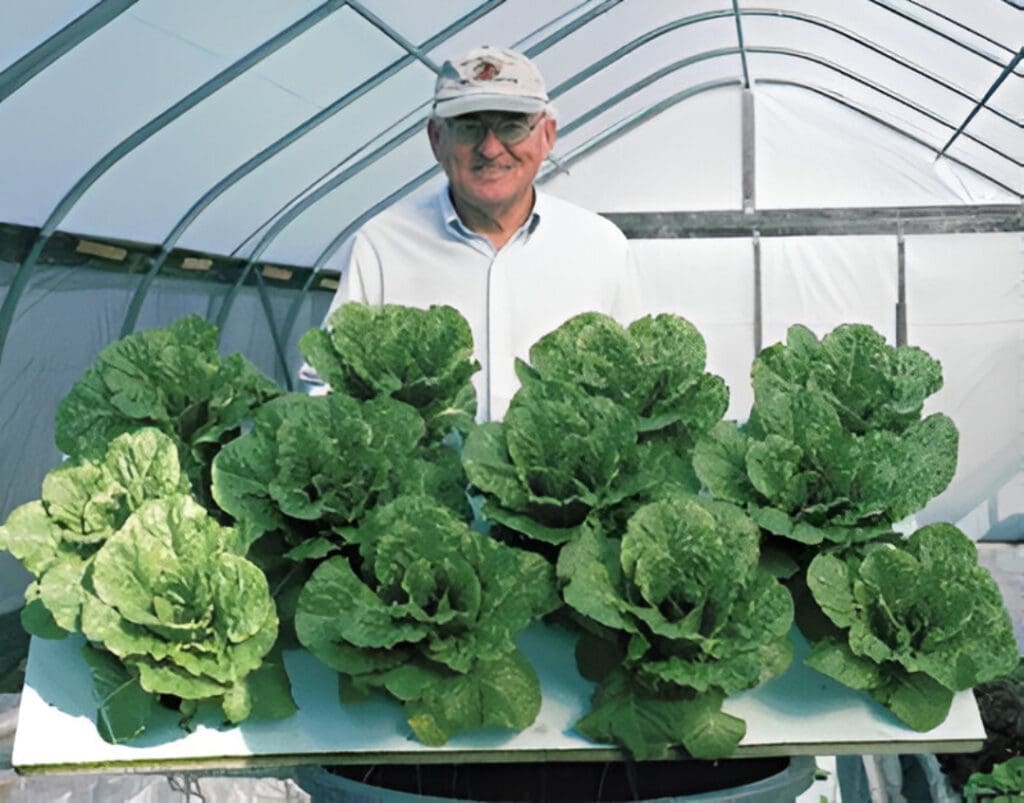
How Dr. Bernard Kratky Made Hydroponics Accessible to Every Filipino

“If someone else in the world like the growers in the Philippines would benefit from this research, that would be a bonus—a big bonus!” When Dr. Bernard Kratky spoke these words, he never imagined his simple hydroponics method would spark a revolution across the Philippine archipelago. A retired University of Hawaii researcher, Dr. Kratky developed his suspended pot, non-circulating system to address Hawaii’s agricultural challenges—weeds, nematodes, soil diseases, and expensive farmland. He published his findings to share with local growers and academic institutions, never envisioning that his work would travel across the Pacific to transform food production in a nation facing remarkably similar tropical challenges.

Today, from Metro Manila rooftops to rural Visayan gardens, Filipino growers are discovering that producing fresh, nutritious vegetables doesn’t require expensive equipment, reliable electricity, or extensive agricultural training. The Kratky Method, as it’s now known worldwide, demands only a bucket, water, nutrients, and the willingness to try something new. This is the story of how one scientist’s generosity—freely sharing his expired patents and creating YouTube tutorials in retirement—empowered Filipinos to reclaim their food security, one container at a time. It’s a tale of viral social media, scientific humility, and the democratization of agriculture in a country where innovation has become necessity.

How Dr. Bernard Kratky Made Hydroponics Accessible to Every Filipino Read More »

Where the Beach Meets the Greenhouse

Where the Beach Meets the Greenhouse

When guests at Palm Beach Resort in Batangas order a salad, kitchen staff don’t reach for the phone to call a supplier. They walk outside. Twenty meters later, they’re standing in a greenhouse, harvesting lettuce that will be on a plate within minutes. This is farm-to-table at its purest—built during the pandemic when materials were scarce, sustained by determination when challenges arose, and now serving as one of the resort’s most compelling attractions.

But this hydroponic greenhouse, constructed in 2021 by managing head Ramil Mendoza and operations associate Rica De La Torre, faced a puzzling decline. The lettuce that once grew abundantly began to struggle. Heads shrank. Roots thickened. The team tried everything—switching methods, adjusting nutrients, removing pest-attracting plants—yet couldn’t recapture that initial success. The answer, it turned out, was invisible: dissolved oxygen levels had dropped, forcing plants into survival mode rather than thriving.

Along Batangas’ coastline, Palm Beach Resort is demonstrating that environmental stewardship and exceptional guest experiences aren’t just compatible—they’re inseparable.

Where the Beach Meets the Greenhouse Read More »

The Lettuce Hut and Nagcarlan’s Growing Family

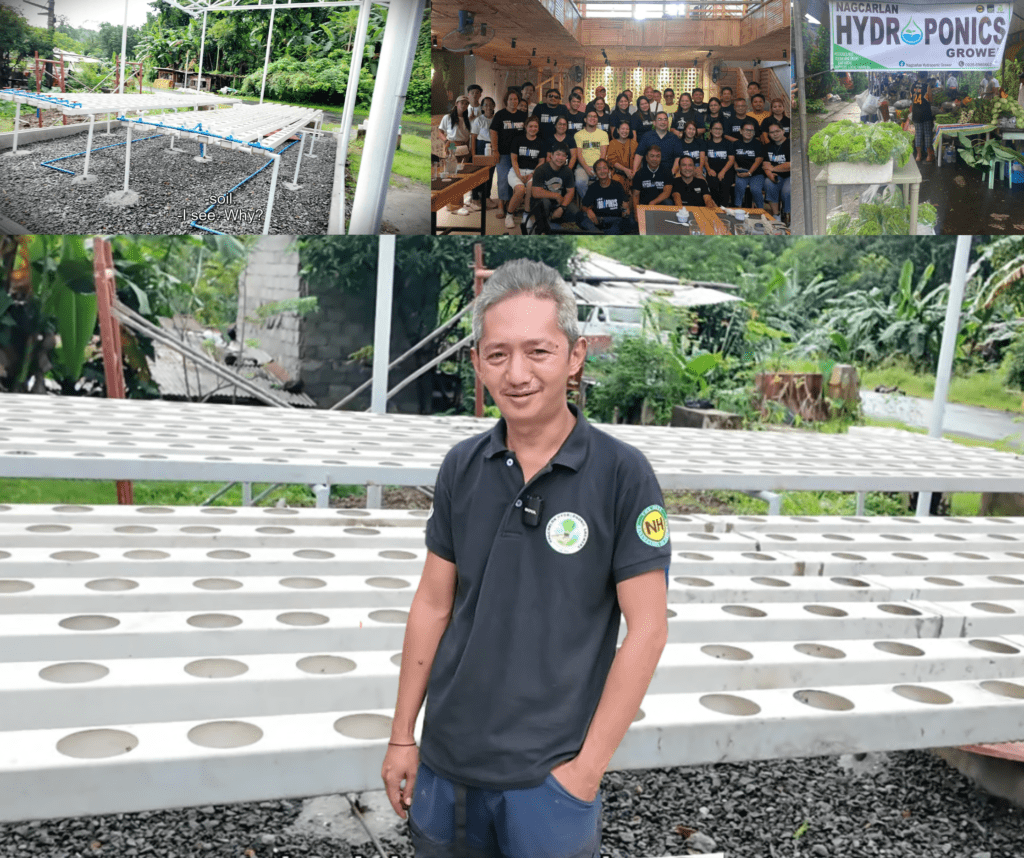
In Nagcarlan, Laguna, Roger Coronado is rebuilding more than just his typhoon-damaged greenhouse. The Lettuce Hut represents the heart of Nagcarlan Hydroponics, a cooperative founded in 2022 where farmers refuse to compete with each other. Instead, they share customers, knowledge, and harvests. With engineered resilience built into every galvanized post and a philosophy borrowed from nursing school, Roger’s approach combines technical precision with community values. Here, members screen for character over capital, hygrometers are mandatory, and the collective strength has earned them the nickname ‘the mafia’—in the best possible way.”

The Lettuce Hut and Nagcarlan’s Growing Family Read More »

The Dragon Fruit King of Bulacan

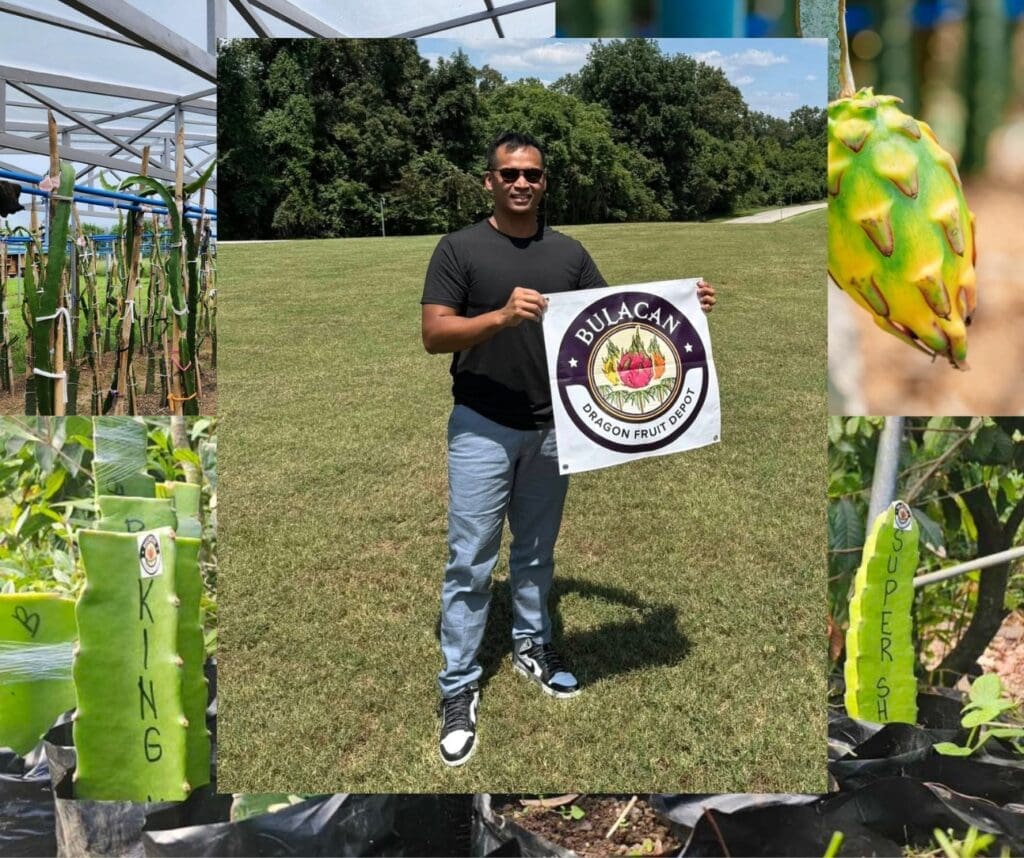
https://youtu.be/egFpCVlh6qQ?si=dV4IyqJaxaMWi9fw “The quality of our dragon fruits here in the Philippines has yet to be seen in other countries.” – Kevin Eliscupides It’s a bold claim, but Kevin Eliscupides has the numbers to back it up. With Brix scores ranging from 18 to 22—far exceeding international standards—the dragon fruits growing in the rolling hills of

The Dragon Fruit King of Bulacan Read More »

How Molds Appear in Nutrient Solution and How to Prevent it

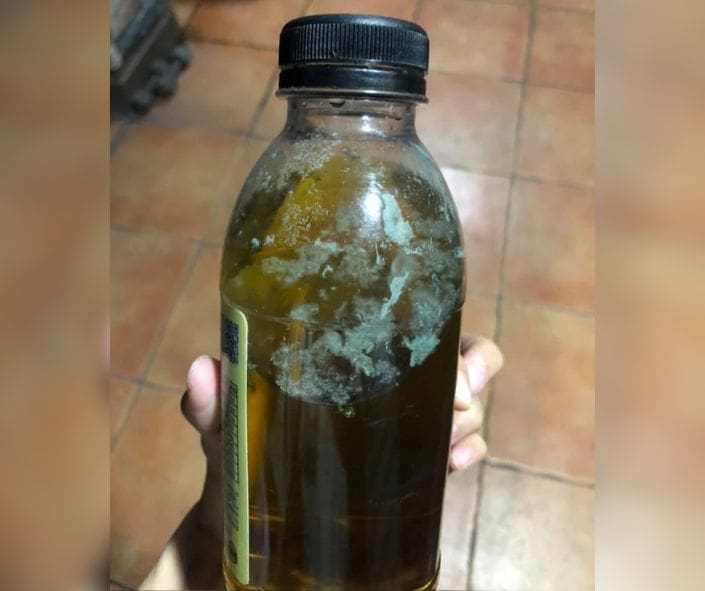
Molds in Solution B

Mold in nutrient solutions usually starts after opening or mixing, when environmental microbes find moisture, nutrients, warmth, and time. This guide explains why contamination happens, and the practical steps you can take to keep nutrient concentrates and stock solutions clean, stable, and safe for plant use.

How Molds Appear in Nutrient Solution and How to Prevent it Read More »

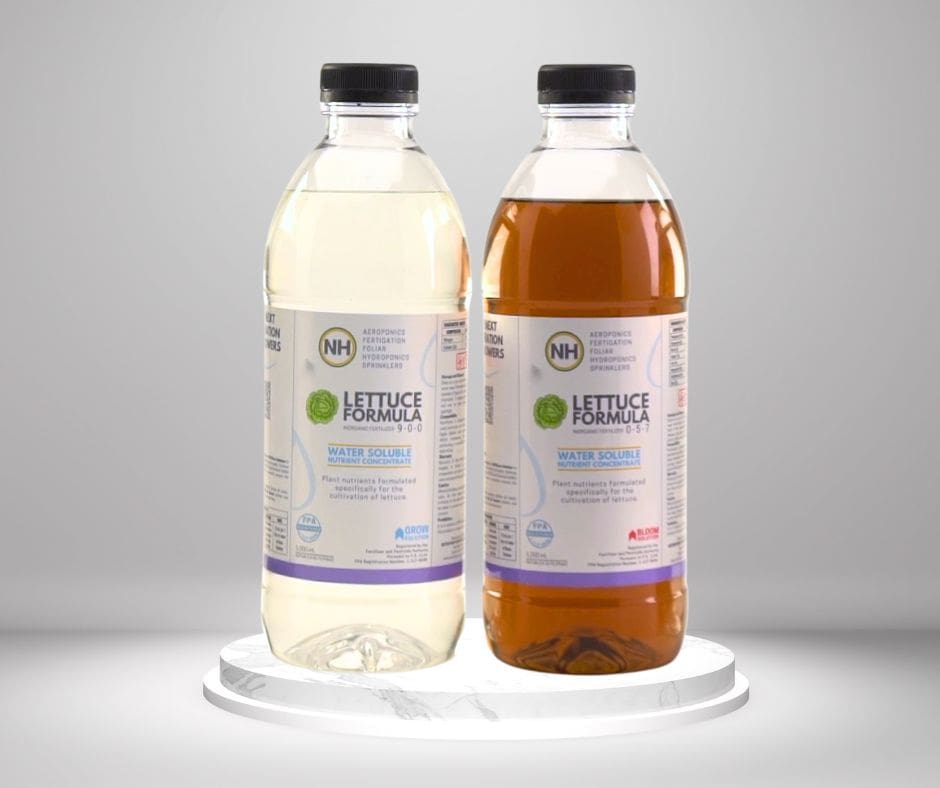
NH Lettuce Formula with Companion Products Application Guide

Why Your Lettuce Yellows Despite Perfect TDS

You’re using premium nutrients, following the mixing instructions perfectly, maintaining the correct TDS—yet your lettuce is still yellowing, stunted, or developing thick, brown roots. The problem? It’s almost never the nutrients.

Nutrihydro’s Lettuce Formula delivers complete nutrition when mixed properly. Growers using NH Lettuce Formula grow the biggest, healthiest, and heaviest lettuce across the country from Luzon to Mindanao. But while nutrients deliver yield and remain the biggest factor in productivity, proper results require managing three critical parameters most growers overlook.

Lettuce roots should be long, hair-like, and white. During farm visits, we consistently observe short, thick roots with dissolved oxygen below 4 g/L—hypoxic conditions that cause yellowing and stunted growth even when pH and TDS are correct. Install aerators and keep water temperature at 18–22°C for optimal oxygen levels.

Many growers maintain correct TDS but skip pH management due to extra work and cost. Without pH between 5.5–6.0, even perfectly formulated nutrients cannot be absorbed. At pH above 6.2, iron, manganese, and zinc precipitate out and become unavailable despite adequate amounts in solution. Use NH Phosphoric Acid 85% to maintain precise pH control at 5.8.

In the Philippines, high humidity slows transpiration—the plant’s internal transport system that moves nutrients from roots to leaves. When transpiration slows, nutrient delivery drops and growth stalls even with correct EC and pH. Lettuce becomes vulnerable to tip burn as calcium cannot reach leaf margins. Increase airflow and use NH Bio-CalMag foliar spray at 1–2 mL per liter during humidity spikes.

Premium nutrients alone don’t guarantee premium results. NH Lettuce Formula provides the foundation, but harvest quality depends on managing dissolved oxygen, pH stability, and transpiration-driven nutrient transport in concert. Target EC of 0.6–0.7 for seedlings, 1.2–1.4 during vegetative growth, and 1.4–1.6 in the final stretch. Maintain pH at 5.5–6.0, dissolved oxygen at 4 g/L or above, humidity between 55–70%, and water temperature at 18–22°C.

Master these fundamentals—proper mixing protocol, adequate dissolved oxygen, precise pH management, and humidity control with NH Phosphoric Acid and NH Bio-CalMag—and you’ll achieve the productivity that separates profitable operations from struggling ones. Your investment in NH Lettuce Formula deserves full system optimization. Follow these protocols, measure consistently, and respond decisively to problems, and you’ll grow lettuce that reflects the true potential of both your nutrients and your skill as a grower.

NH Lettuce Formula with Companion Products Application Guide Read More »

A Decade of Growth at Golden Ivan Seedling Nursery

From Business Graduate to Seedling Success

Ten years ago, Inefe Pagasian made an unlikely leap into agriculture with no farming background. Today, her Golden Ivan Seedling Nursery—named after her son—serves farmers across Calabarzon, Bicol, and Northern Luzon, producing seedlings in facilities that can accommodate 3,000 trays simultaneously.
The transition wasn’t easy. As a Business and Office Management graduate turned full-time mother, Pagasian had to master everything from plant propagation to greenhouse management from scratch. Her secret? Patience, persistence, and continuous learning.

“The single most important lesson I’ve learned is patience,” she reflects. In a business where seedlings take 25 to 28 days to reach market readiness, success cannot be rushed. Through crop failures, order cancellations, and the ups and downs of seasonal demand, Pagasian pushed forward—proving that entrepreneurial spirit can flourish in any field, even without traditional agricultural credentials.

A Decade of Growth at Golden Ivan Seedling Nursery Read More »

Greenhouse Grower’s Storm Preparation Checklist

Typhoon Wanu n the Philippines

A clear, field-ready checklist for Philippine greenhouse and hydroponic growers before and during a severe typhoon. Covers structural tie-downs and UV sheets, electrical shutdown and elevation, nutrient and chemical safety, crop and seedling protection, animal sheltering, drainage, and simple go-bag/trigger rules so teams act early and stay safe.

Greenhouse Grower’s Storm Preparation Checklist Read More »

An Engineer’s “Hobby” Grows 600 Heads of Lettuce

From Engineer to Hydroponic Farmer: A Part-Time Passion That Grew
In a quiet village in Angat, Bulacan, Aldrin Castro stands before two greenhouses sheltering nearly 600 heads of pristine Olmetie lettuce. “This hydroponics is more of a hobby or a part-time job,” he says—though the scale and sophistication of The Green Cup Hydroponics tells a different story entirely.
By day, Castro works as a computer engineer in the IT industry. By dawn and dusk, he’s transformed into a precision farmer, applying his technical mindset to agriculture with remarkable results. His 37-day harvest cycles yield robust lettuce at 35 pesos per cup, generating approximately 20,000 pesos gross per harvest from his 48-square-meter greenhouse.
What began as a modest ten-by-ten-foot DIY structure has evolved into a 120,000-peso bolted-frame greenhouse featuring NFT (Nutrient Film Technique) systems, sophisticated irrigation controlled by threaded valves, and monitoring equipment that guides every decision. Castro wakes at 5:30 AM to check pH levels and TDS readings before his 10 AM shift, managing the entire operation solo—sowing, transplanting, harvesting, and packing—all while working full-time.
His secret? Engineering discipline meets agricultural passion. Castro researches obsessively, learns from online hydroponic communities, and implements lessons before problems arise. He hardens seedlings under controlled indoor grow lights before outdoor transplanting, alternates plant sizes for optimal sunlight penetration, and maintains strategic relationships with both direct customers and resellers to spread market risk.
“I read about other people’s problems even before I experience them myself,” Castro explains, embodying the proactive mindset that’s turned his “part-time hobby” into a thriving agricultural enterprise—and a blueprint for how technical expertise can revolutionize traditional farming.RetryAother title, no colonThe Computer Engineer Growing 600 Lettuce Heads Before His Day Job Begins
In a quiet village in Angat, Bulacan, Aldrin Castro stands before two greenhouses sheltering nearly 600 heads of pristine Olmetie lettuce. “This hydroponics is more of a hobby or a part-time job,” he says—though the scale and sophistication of The Green Cup Hydroponics tells a different story entirely.
By day, Castro works as a computer engineer in the IT industry. By dawn and dusk, he’s transformed into a precision farmer, applying his technical mindset to agriculture with remarkable results. His 37-day harvest cycles yield robust lettuce at 35 pesos per cup, generating approximately 20,000 pesos gross per harvest from his 48-square-meter greenhouse.
What began as a modest ten-by-ten-foot DIY structure has evolved into a 120,000-peso bolted-frame greenhouse featuring NFT (Nutrient Film Technique) systems, sophisticated irrigation controlled by threaded valves, and monitoring equipment that guides every decision. Castro wakes at 5:30 AM to check pH levels and TDS readings before his 10 AM shift, managing the entire operation solo—sowing, transplanting, harvesting, and packing—all while working full-time.
His secret? Engineering discipline meets agricultural passion. Castro researches obsessively, learns from online hydroponic communities, and implements lessons before problems arise. He hardens seedlings under controlled indoor grow lights before outdoor transplanting, alternates plant sizes for optimal sunlight penetration, and maintains strategic relationships with both direct customers and resellers to spread market risk.
“I read about other people’s problems even before I experience them myself,” Castro explains, embodying the proactive mindset that’s turned his “part-time hobby” into a thriving agricultural enterprise—and a blueprint for how technical expertise can revolutionize traditional farming.

An Engineer’s “Hobby” Grows 600 Heads of Lettuce Read More »

Why Your Expensive Nutrient Solution Can’t Replace Sunlight

The Dangerous Myth Costing Hydroponic Growers Their Crops

A persistent and costly misconception is circulating through agricultural social media: that specialized nutrient solutions can somehow reduce or replace a plant’s need for adequate light. This dangerous myth has led to devastating crop failures for growers who believed expensive fertilizers could compensate for insufficient lighting.

The reality, as experts from NutriHydro and physicist Honey Daz emphasize, is rooted in fundamental biology. Nutrients are not energy sources—they’re mineral building blocks for plant structures. The actual energy driving growth comes exclusively from light photons through photosynthesis. When light strikes a leaf, it powers the creation of sugars that serve as the plant’s true food source. Without adequate light in the 400-700 nanometer PAR spectrum, no nutrient formulation can bridge this energy gap.

One documented case reveals the real-world consequences: a grower produced visually beautiful lettuce that literally fell apart after washing. Misled by the myth, the grower had increased nutrient concentrations to compensate for poor lighting, creating nutrient antagonism while failing to address the fundamental problem—insufficient photosynthetic activity left the plants unable to build strong cellular structures.

For lettuce cultivation, stable quality requires a Daily Light Integral between 12-17 moles per square meter per day. The takeaway is unambiguous: light comes first, nutrients second. No bottle can replace the free energy pouring down from the sun.

Why Your Expensive Nutrient Solution Can’t Replace Sunlight Read More »

Yumex Philippines Brings Factory Precision to Farming

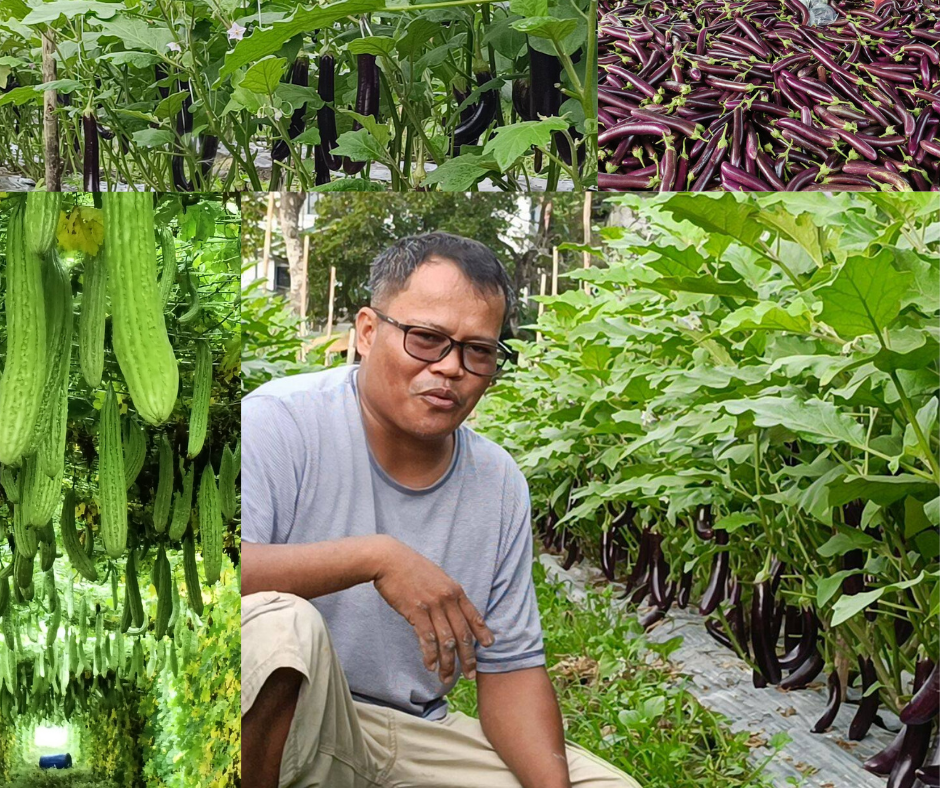
In a gleaming facility in the Philippines, where double-walled glass seals out the tropical heat and HEPA filters scrub the air cleaner than a hospital operating room, something remarkable is growing. Engineers who once manufactured electronics are now applying that same precision to cultivating strawberries, and the results are stunning.

Yumex Philippine Corporation, a company with roots stretching back to 1991 as an electronics manufacturer, has pivoted from assembling circuit boards and components to cultivating precision agriculture. It’s a transition that might seem improbable until you step inside their facility and witness how manufacturing discipline translates to farming excellence.

That heritage of precision manufacturing is evident everywhere. The facility operates like a cleanroom, because it essentially is one. Visitors undergo a rigorous decontamination process: changing shoes twice, donning full clean room suits, passing through two separate air showers, and using sticky rollers to remove any lint before entering the cultivation areas.

Cleanliness and Safety Protocols
The Yumex facility maintains pharmaceutical-grade cleanliness standards that set it apart from conventional agricultural operations. As visible in the facility images, every person entering the growing areas must follow strict protocols designed to prevent contamination. The multi-stage decontamination process isn’t just theater—it’s essential to maintaining the pristine environment that allows crops to thrive without pesticides or disease.

Visitors and staff alike don complete cleanroom attire, including full-body suits, hairnets, masks, and gloves before proceeding through air shower chambers. The images show the meticulous gowning area where proper sequence instructions are displayed on the walls, and the blue air shower chambers where powerful jets of filtered air remove any remaining particles. Staff members can be seen using lint rollers as a final step before entering the cultivation zones, demonstrating the uncompromising attention to detail.

HEPA filtration systems continuously clean the air, removing particles, potential pathogens, and pests before they can enter the growing environment. This sealed, controlled approach eliminates the need for chemical pesticides entirely, resulting in produce that’s not only faster-growing but also cleaner and safer for consumption. The same discipline that once ensured zero-defect electronics manufacturing now guarantees contamination-free food production.

These rigorous safety protocols extend to every aspect of operations, from water treatment through reverse osmosis to the continuous circulation systems that prevent bacterial growth in nutrient tanks. It’s a level of care typically reserved for semiconductor fabrication or pharmaceutical production, now applied to growing strawberries and lettuce.

The Brain Behind the Operation
At the heart of the system is a Programmable Logic Controller (PLC) developed by Yumex, a sophisticated “brain” that manages every environmental variable with the finesse of a master conductor. Temperature, humidity, carbon dioxide levels, pH, electrical conductivity, vapor pressure deficit—all monitored and adjusted automatically in real-time.

“It’s a friendly user,” Andrew explains, demonstrating the touch-screen interface. “Just like your mobile phone can be used for this PLC type.”

But the simplicity of the interface belies the complexity of what it controls. The system manages nutrient dosing with precision down to four-second intervals, circulates water continuously through sealed tanks to prevent pathogen growth, and even controls when honeybees emerge from their hives to pollinate the strawberry flowers, all through manipulation of temperature and UV light.
The transition from manufacturing circuit boards to growing strawberries might seem radical, but the underlying principles remain remarkably similar. Both require precise environmental control, contamination prevention, systematic quality monitoring, and data-driven optimization. The company’s decades of experience in mass production and capital investment in automation created the perfect foundation for controlled environment agriculture.

Speed and Quality
The results are striking. Lettuce that would take 80 days to mature outdoors reaches harvest size in just 30 days. Two-week-old seedlings already display vibrant, healthy leaves that would be the envy of any conventional farmer.

But it’s the strawberries that truly showcase what precision agriculture can achieve. Massive, aromatic fruits hang from plants bathed in carefully calibrated LED lighting—combinations of white and yellow bulbs (the yellow discourages insects), with some lights incorporating UV, infrared, and full-spectrum wavelengths all in one unit. These LED systems have been refined over 15 years of use in Japan.
The strawberries themselves, the Benihoppe variety, are extraordinary. The texture is described as “like butter,” with a perfect balance of sweetness and tartness that sets them apart from conventional varieties.

Controlled Everything
The facility’s enclosed greenhouse system maintains a completely different environment from the outside world. Double-walled glass provides insulation. Reverse osmosis filtration strips raw well water of heavy metals and minerals before nutrient solutions are precisely added back. Even the distribution pipes are mounted overhead to avoid obstructing movement.

“We try to control the environment itself,” Andrew explains. “That’s why we have to be very careful to use the whole enclosure to make it sealed.”
This control extends to managing vapor pressure deficit, a critical but often overlooked parameter that determines how efficiently plants transpire moisture from roots to leaves. Get it wrong, and nutrient deficiencies follow. Get it right, as Yumex has, and plants thrive with remarkable vigor.

Innovation in Practice
What sets Yumex apart is their engineering mindset applied to agriculture. The team is constantly testing and refining. Different LED configurations illuminate different shelf levels as they optimize light intensity and spectrum. New seedling batches are introduced alongside mature plants to demonstrate that the system can handle mixed-age cultivation—something traditional farmers typically avoid.

The approach to nutrient management reveals this engineering precision. Rather than fixating on EC or TDS numbers as absolutes, the system calculates the total quantity of nutrients delivered to plants over time. “Even if it has a small EC,” Andrew explains, “the percentage of giving the plants itself is more.”

It’s an insight that comes from thinking like a manufacturer rather than a conventional farmer—focusing on the total input over time rather than concentration at any given moment.

The Human Element
Perhaps most remarkable is the team’s humility. These manufacturing engineers readily admit they don’t know traditional farming, but that’s precisely their advantage. Unburdened by conventional agricultural assumptions, they approach cultivation as an engineering problem to be solved through measurement, control, and iteration.

Despite achieving strawberries that would be the pride of any farm, they describe themselves as still in the research and development phase, still pushing boundaries, still seeking 200% certainty before commercial deployment.

“We are on 100% stage as of the moment,” Andrew says, “but to make it sure and to give more assurance to our prospective clients, we wanted to make it 200%.”
It’s this combination—manufacturing precision, engineering innovation, and scientific rigor applied to agriculture—that may represent the future of farming. As one observer noted after touring the facility, “It’s not just the agriculturist that’s important to the cultivation industry. These three brilliant engineers, it’s gonna make a huge difference.”

The Path Ahead
Yumex’s success raises important questions about the future of Philippine agriculture. The facility demonstrates that with proper environmental control, crops like strawberries, traditionally grown only in cooler highland regions, can be cultivated year-round in controlled environments closer to urban markets.
The technology isn’t just for strawberries. The same PLC systems have been tested on bananas, leafy greens, and other crops. The modular, customizable nature of the doser systems means farmers can precisely tailor nutrition to specific crops and growth stages.

For a country where engineers often seek opportunities abroad, Yumex represents a different possibility—one where advanced technical skills find application in revolutionizing domestic agriculture. As the team continues refining their systems, they’re not just growing strawberries. They’re cultivating a new model for how precision engineering and agriculture can merge to create something greater than either discipline alone could achieve.

The strawberries, buttery-textured and perfectly sweet-tart, are just the delicious proof of concept.
Yumex Philippines Brings Factory Precision to Farming Read More »

Scroll to Top